
Washer Won't Drain or Leaves Water Standing — 5 Causes & How to Fix
You open your Hotpoint IWDE126UK after what should've been a normal cycle, and there's a pool of soapy water sitting at the bottom. The clothes are soaking wet, dripping everywhere, and the drain cycle clearly didn't happen. Before you assume the pump's shot, there's a filter and drain system that clogs up more often than you'd think — especially if you've got kids who leave tissues in pockets or pet hair that gets past the lint trap.
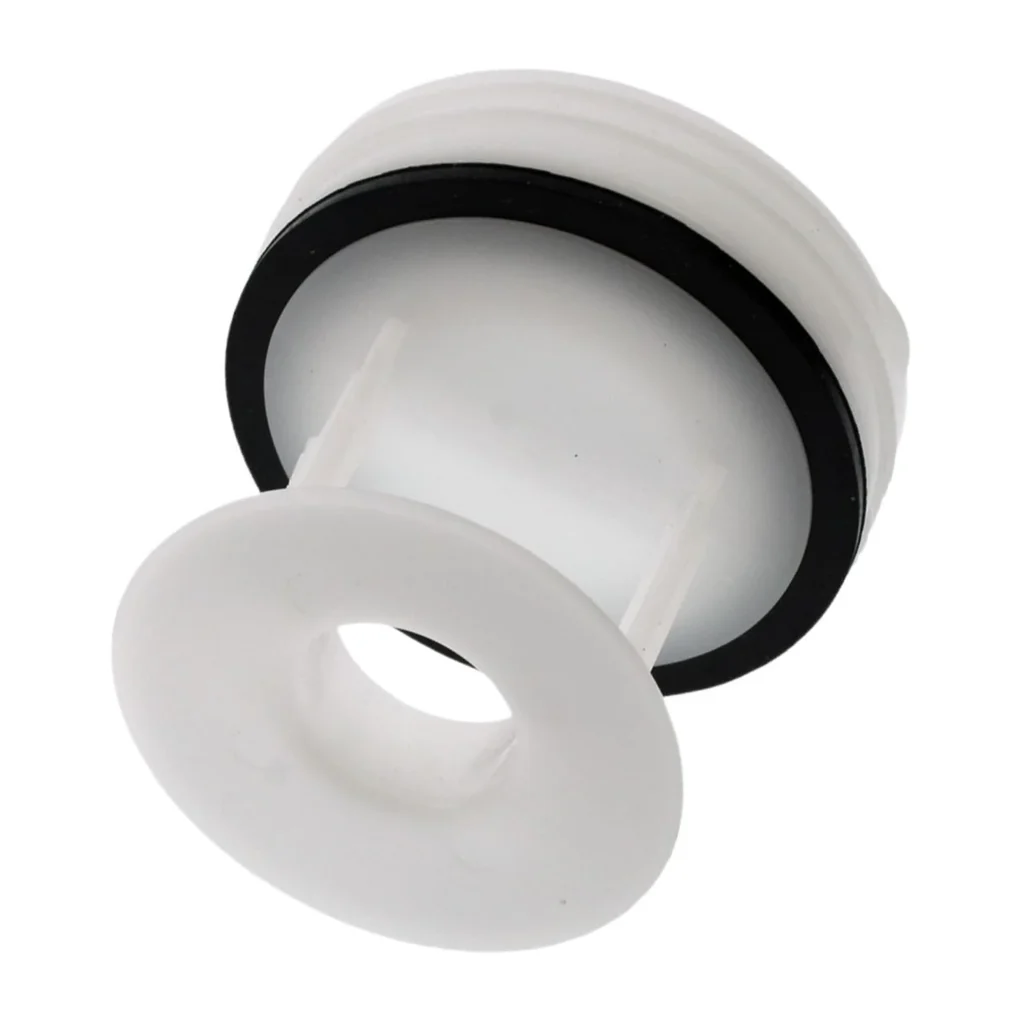
This drain pump filter kit (C00141034) fits Hotpoint, Indesit, Ariston, and Whirlpool washer-dryer combos. It's the gatekeeper between your drum and the pump, and when it fails or clogs, nothing drains. Let's walk through what's actually going wrong.
Quick Symptom Check
- Water remains in drum after cycle completes — pump runs but can't move water
- Error codes flashing — F05, F11, or drain-related faults on display
- Pump makes grinding or humming noise — something's blocking the impeller
- Slow drainage during spin cycle — partial blockage reducing flow
- Musty smell from washer — stagnant water trapped in filter housing
- Leak from front lower panel — damaged filter seal or housing crack
Cause #1: Clogged Drain Filter (60% of Cases)
Probability: Very High
The drain filter catches coins, bobby pins, lint, and whatever else makes it past the drum seal. On models like the XWDA751680XW and BHWD149UK, this filter sits behind a small access panel at the front bottom. If you've never cleaned it, it's probably packed solid.
How to diagnose: Open the filter access door (usually bottom-right corner). Place a shallow pan underneath because water will spill out. Slowly unscrew the filter counterclockwise. If it's hard to turn or you see debris packed in the threads, that's your problem.
What you'll find: Hair balls the size of mice, small socks, hardened detergent clumps, sometimes actual small items like earrings or buttons. If the filter housing itself is cracked or the threads are stripped, you'll need the C00141034 replacement kit.
Fix: Clean the filter thoroughly under running water. Check the cavity behind it with your fingers (watch for sharp objects). If the housing or filter body is damaged, replace with the new kit. Takes about 15 minutes.
Cause #2: Broken Filter Housing (25%)
Probability: High
The plastic housing that holds the filter can crack from overtightening, freeze damage if your laundry room gets cold, or just age-related brittleness. Once cracked, it leaks or doesn't seal properly, which means the pump can't build enough pressure to drain.
How to diagnose: Remove the filter and inspect the housing for cracks, especially around the threads or the seal groove. Shine a flashlight inside — stress cracks show up as white lines in the black plastic. If you've had leaks from the front panel that you couldn't trace, this is often why.
Fix: The C00141034 kit includes both the filter and housing. You'll need to access the drain pump (usually means tipping the machine back or removing the front panel on some models). Disconnect the old housing from the pump inlet, connect the new one, secure with the provided clamp or screws. Don't overtighten the filter when you reinstall it — hand-tight plus a quarter turn is enough.
Cause #3: Blocked Pump Impeller (10%)
Probability: Medium
Sometimes stuff gets past the filter entirely and jams the pump impeller. You'll hear the motor humming but no water movement. Small socks, underwire from bras, and torn pieces of fabric are the usual culprits.
How to diagnose: With the filter removed, shine a light into the opening and look toward the back. You should see the pump impeller (looks like small plastic blades). Try spinning it with your finger — it should rotate freely. If it's stuck or you feel resistance, something's wrapped around the shaft.
Fix: Use needle-nose pliers or a bent wire hook to fish out whatever's blocking it. Sometimes you need to remove the pump entirely for access. If you've extracted the blockage but the impeller still doesn't spin freely, the pump bearings might be shot, which means pump replacement (different part).
Cause #4: Deteriorated Filter Seal (3%)
Probability: Low
The rubber seal on the filter edge can harden, crack, or get nicked over years of use. When it doesn't seal properly, air gets sucked in during the drain cycle, breaking the siphon effect. You'll get slow drainage or the pump running longer than normal.
How to diagnose: Remove the filter and examine the rubber gasket closely. Look for cuts, compression set (permanent flattening), or chunks missing. Run your finger around it — if it feels hard or crumbly rather than flexible, it's done.
Fix: Replace the entire filter with the C00141034 kit. The seal is molded to the filter body, not replaceable separately.
Cause #5: Incorrect Filter Installation After Cleaning (2%)
Probability: Low
If someone recently cleaned the filter and didn't screw it back in completely, or cross-threaded it, the pump won't seal properly. You'll usually see a small leak as well as drainage problems.
How to diagnose: Check if the filter sits flush against the housing when screwed in. Try removing and reinstalling it — if the threads feel crunchy or it stops turning before it's seated, it's cross-threaded.
Fix: If the threads are damaged, you need the replacement kit. If it's just loose, screw it in properly clockwise until snug, then an additional quarter turn. Don't use tools — hand-tight only.
When to Call a Pro
If you've replaced the filter kit and cleared all blockages but the washer still won't drain, you're looking at either a failed drain pump motor, a kinked drain hose, or a control board issue telling the pump not to run. Pump replacement on washer-dryer combos like the WDPG9640BUK or AQ113D697IUK can be tricky because of how these units are packaged — lots of disassembly. If you're not comfortable working with electrical connections or tipping a heavy appliance, that's when you call someone.
Also, if you're dealing with a blockage deep in the drain pump or in the sump hose between the drum and pump, you might need to pull the machine out and access the rear panel. That's manageable for a DIYer but takes patience and space to work.
Frequently Asked Questions
How often should I clean the drain pump filter?
Every three months if you do a lot of laundry, every six months minimum for normal use. If you wash pet bedding, work clothes with heavy dirt, or kids' sports gear, do it monthly. Think of it like changing your car's oil — preventive maintenance that saves you from bigger problems. On models like the XWDE861480XW and IWDE146UK, the manual actually specifies monthly checks but nobody does it until there's a problem.
Why does water pour out when I open the filter?
That's normal — water sits in the sump and pump housing even after a cycle. Always keep a shallow pan and towels handy. On most Hotpoint and Ariston machines, there's about a half-liter to liter of water that'll come out. If you're getting more than that, the drain cycle definitely didn't complete. Unscrew the filter slowly at first to control the flow, let it drain into your pan, then finish removing it.
Can I run the washer without the drain filter installed?
Absolutely not. The filter is the only thing protecting your drain pump from damage. Run it without the filter and you'll send coins, buttons, and debris straight into the pump impeller, which will trash the pump in short order. A drain pump replacement costs $80-150 plus labor. The filter kit is $27.99. Do the math. Always reinstall the filter before running the machine, and make sure it's seated properly so you don't get leaks.
Diagnosed the problem?
C00141034 · In Stock · Fast shipping