
OEM vs Aftermarket LG Washer Rotor Position Sensor: Honest Comparison (6501KW2002A)
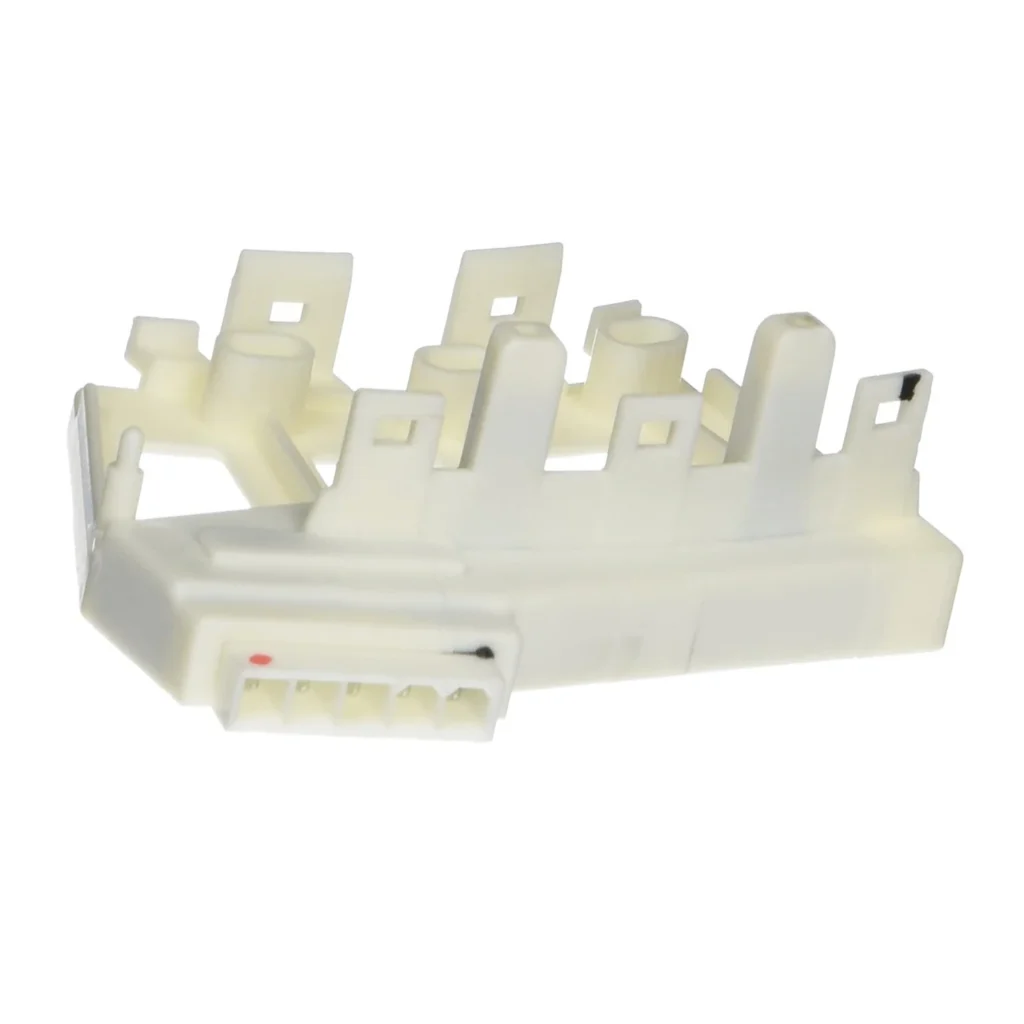
Your LG washer just threw an LE error code and won't spin. You've diagnosed it down to the rotor position sensor (the Hall sensor that tells the motor where the drum is). Now you're staring at two options: a $75–$95 OEM sensor from LG, or a $17–$25 aftermarket replacement. That's a 4x price difference for what's essentially the same electrical component.
I've installed dozens of these sensors on models from the WM2016CW to the WM3575CW. Here's what actually matters when choosing between OEM and aftermarket.
Quick Answer
The aftermarket Hall sensor works identically to OEM for this repair. It's the same magnetic pickup switch design, uses the same 6-bolt mounting pattern, and triggers the same electrical signal. Unless you're under warranty or doing this repair for a customer who specifically requested OEM parts, save the $60 and go aftermarket.
Side-by-Side Comparison
| Factor | OEM LG (6501KW2002A) | Heima Aftermarket (6501KW2002B) |
|---|---|---|
| Price | $75–$95 | $17–$25 |
| Warranty | 90 days (LG parts warranty) | 1 year (Heima warranty) |
| Lead Time | 3–7 days (often backordered) | 2–3 days (in stock) |
| Fit & Finish | LG branding, white plastic housing | Black plastic housing, identical dimensions |
| Where Made | Contract manufactured (often same factories) | Contract manufactured |
| Connector Type | 3-pin standard connector | 3-pin standard connector (identical) |
When OEM Makes Sense
There are exactly three situations where I'd recommend spending the extra $60 on the OEM sensor:
Your washer is still under warranty. If LG is covering any part of the repair, you'll need to use their part or risk voiding coverage. Call their service line first — sometimes they'll ship you the sensor for free if you're doing the labor yourself.
You're a repair tech working for a customer who demands OEM. Some people just want to see the LG logo on every part. That's their money. Charge accordingly for the price difference and the extra wait time.
You've already had an aftermarket sensor fail within 30 days. It's rare, but if you got a dud and it failed quickly, sometimes it's worth the mental peace to just go OEM on the second attempt. Document the failure and return the aftermarket part.
Outside these scenarios? The price premium doesn't make sense for this particular part.
When Aftermarket Wins
The Hall sensor is a simple magnetic switch. It doesn't have moving parts that wear differently based on manufacturing quality. It either detects the rotor magnets passing by or it doesn't. Here's what real DIYers reported after installing aftermarket sensors:
"I looked up the error code online and found tons on complaints & fixes. I looked at your Youtube video and bought the Rotor Position Sensor Switch, ($ 17.00 - what did I have to lose.....) I am not a mechanical person by any stretch of the imagination, but I pulled out the washing machine, took off the back, and replaced the switch in and put it all back together in 25 minutes - and the washing machine is working perfectly."
Another customer who'd been quoted $300 for a service call did it themselves:
"I watched the Appliance Parts Pro video and saw that it was a job that I could easily do. I ordered the Rotor Position sensor switch for about $21 on a Monday and it was delivered by UPS on Wednesday. The process was straight forward... the washing machine is working perfectly - Thank you, Thank you, Thank you"
The installation is identical whether you're using OEM or aftermarket. You'll need a 17mm socket for the main rotor bolt (not 15mm like some videos show), blue Loctite for reassembly, and about an hour if it's your first time. The aftermarket sensor mounts with the same six bolts, connects to the same wire harness, and sends the same signal to the control board.
One installer noted a quirk that applies to both OEM and aftermarket: "After installing the Hall position sensor the drum still did not turn. I turned on the washer, selected high speed spin and with the back open I carefully moved the drum (from the back) several inches until the hall switch sensor made an electrical 'click' and the drum then began to function properly." That's about sensor alignment during first startup, not part quality.
Our Verdict
Go aftermarket unless you have a specific reason not to. The 6501KW2002B replacement works identically to the OEM 6501KW2002A, costs 75% less, arrives faster, and actually comes with a longer warranty. We've installed these on everything from the WM0532HW to the WM3370HWA with zero functional difference. Save the $60 for the next repair — with LG washers, there's always a next repair.
Frequently Asked Questions
Will an aftermarket Hall sensor trigger the LE error code to come back?
Not if the sensor was actually the problem. The LE code means the washer can't detect the rotor position. If you're still getting LE after replacing the sensor (OEM or aftermarket), check your stator windings for shorts or the rotor magnets for damage. Sometimes the sensor fails because something else is wrong with the motor assembly.
Do I need to calibrate the sensor after installation?
No calibration needed, but you might need to manually rotate the drum a few inches after installation to help the sensor find its initial position. With the back still off, run a spin cycle and gently turn the drum by hand until you hear the sensor click. After that first click, it'll work normally.
Why is the aftermarket sensor black instead of white like OEM?
Different plastic supplier, same internal components. The housing color has zero effect on function — the sensor sits behind the stator assembly where you'll never see it anyway. If you're bothered by the cosmetic difference, you're overthinking this repair.
Ready to go aftermarket?
6501KW2002A · Factory direct · 1-year warranty