
Samsung Washer Agitates Weakly or Not at All — 6 Causes & How to Fix
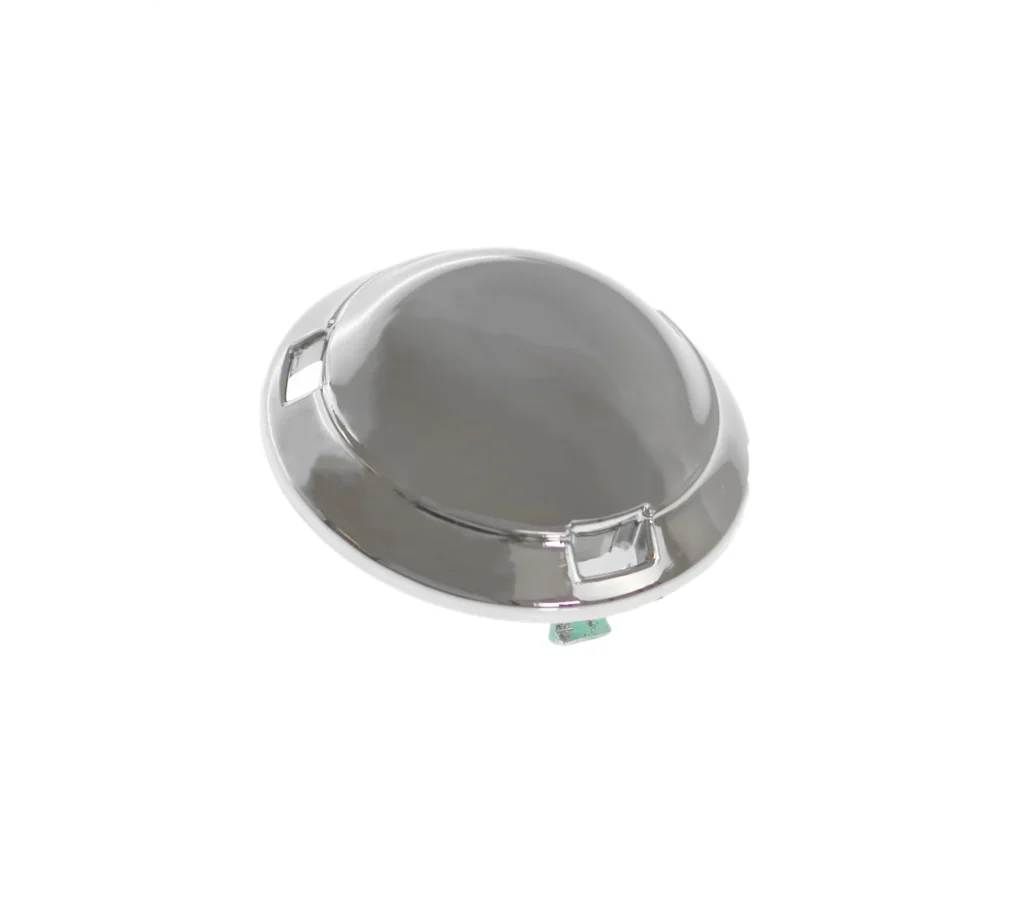
You load your Samsung top-loader, hit start, and hear the motor running — but the clothes barely move. The agitator seems loose, wobbly, or just spins uselessly without gripping the laundry. This agitation problem is especially common on WA45H7000 and WA45H7200 series washers, where the pulsator cap (part DC66-00777A) connects the agitator to the drive system. When this cap cracks or wears out, you lose the mechanical grip needed to move clothes effectively.
Quick Symptom Check
- Agitator spins freely by hand — shouldn't rotate more than 15-20 degrees when empty
- Clothes come out still soapy or bunched together — indicates inadequate agitation during wash cycle
- Grinding or clicking noise during wash — worn pulsator cap teeth stripping against drive shaft
- Agitator wobbles side-to-side — loose or cracked mounting cap underneath
- Works on some cycles but not others — inconsistent engagement suggests partial failure
Cause #1: Worn or Cracked Pulsator Cap (70% of Cases)
The DC66-00777A pulsator cap sits beneath your agitator and locks it onto the drive shaft. It's made of reinforced plastic with internal teeth that mesh with the drive system. After 3-5 years of regular use, these teeth wear down or the cap develops stress cracks — especially if you've overloaded the washer or washed heavy items like rugs.
How to diagnose: Open the washer lid and try rotating the agitator by hand. If it spins more than a quarter-turn in either direction without resistance, the pulsator cap teeth are stripped. Remove the agitator (usually held by a single bolt in the center) and inspect the cap underneath for cracks, worn teeth, or deformation.
Fix difficulty: Easy. The cap costs about $25 and replacement takes 20-30 minutes with basic tools. You'll need a socket wrench and possibly a strap wrench if the agitator is stuck. Compatible with models WA45H7000AP, WA45H7000AW, WA45H7200AP, WA45H7200AW, and related Samsung top-loaders.
Cause #2: Stripped Drive Shaft Splines (15% of Cases)
If the pulsator cap looks fine but you're still getting weak agitation, check the drive shaft itself. The shaft has splines (grooves) that the cap teeth lock into. Continued operation with a worn cap can strip these metal splines, creating a smooth surface that can't grip anymore.
How to diagnose: After removing the agitator and pulsator cap, shine a flashlight down into the tub and examine the drive shaft. The splines should be sharp and well-defined. If they look rounded, flattened, or have metal shavings around them, the shaft is damaged.
Fix difficulty: Moderate to difficult. This requires accessing the transmission assembly underneath the tub, which means tipping the washer or removing the cabinet. Professional repair typically costs $200-350. If your washer is more than 8 years old, replacement might be more economical.
Cause #3: Failed Clutch Assembly (8% of Cases)
Samsung top-loaders use a clutch mechanism to engage the agitator during wash cycles and disengage during spin. When this clutch wears out, you'll have weak or no agitation during wash, but the spin cycle might work perfectly fine.
How to diagnose: Run a wash cycle and observe carefully. If the agitator barely moves during wash but the spin cycle works normally, you've got a clutch problem rather than a pulsator cap issue. You might also smell burning rubber or see black residue in the water.
Fix difficulty: Difficult. Clutch replacement requires disassembling the drive system and costs $150-300 in parts and labor. This is typically a professional repair unless you're experienced with appliance work.
Cause #4: Loose or Damaged Agitator Dogs (3% of Cases)
Some Samsung models use small plastic cam pieces called "agitator dogs" inside the agitator itself. These create the back-and-forth motion. They're designed to wear out before more expensive components fail, acting as a mechanical fuse.
How to diagnose: The agitator will spin freely in one direction but lock in the other (or spin freely in both directions). Remove the top section of the agitator (if it's a two-piece design) and inspect the dogs — they should be smooth wedges, not rounded nubs.
Fix difficulty: Easy. Agitator dog kits cost $10-20 and install in about 15 minutes. However, verify your specific model uses dogs — the WA45H7000/7200 series primarily rely on the pulsator cap system rather than traditional dogs.
Cause #5: Broken or Loose Drive Belt (2% of Cases)
Top-load washers use a drive belt connecting the motor to the transmission. If this belt breaks, stretches excessively, or slips off its pulley, you'll lose agitation and spin function entirely.
How to diagnose: Listen carefully during operation. A slipping belt creates a squealing sound. No sound at all might indicate a broken belt. You'll need to access the back or bottom of the washer to visually inspect the belt for damage, glazing, or improper positioning.
Fix difficulty: Moderate. Belt replacement costs $30-60 in parts and requires tilting or partially disassembling the washer cabinet. Doable for confident DIYers with proper instructions.
Cause #6: Electronic Control Board Failure (2% of Cases)
Rarely, the main control board fails to send proper signals to the drive motor. This creates erratic behavior — sometimes it works, sometimes it doesn't, with no consistent pattern.
How to diagnose: If you've ruled out all mechanical issues and the problem is intermittent and unpredictable, suspect electronics. Check for error codes on the display. Run a diagnostic mode (hold Temp and Delay Start simultaneously for 3 seconds on most Samsung models) to test individual components.
Fix difficulty: Moderate. Control boards cost $100-200 but are usually plug-and-play replacements. The challenge is accurate diagnosis — don't replace the board unless you've eliminated mechanical causes first.
When to Call a Pro
Start with the pulsator cap — it's the most common culprit and the easiest DIY fix. If replacing the DC66-00777A cap doesn't solve your problem, you're likely dealing with transmission, clutch, or drive shaft issues that require specialized tools and experience. Get a professional diagnosis if:
- You've replaced the pulsator cap and still have weak agitation
- You hear metal-on-metal grinding during operation
- The washer is leaking from underneath during use
- Multiple cycles fail simultaneously (wash, spin, drain)
- You're uncomfortable disassembling the cabinet or tipping the appliance
Professional diagnostics typically cost $80-120, which is credited toward repair if you proceed. For washers over 10 years old with transmission problems, replacement is usually more cost-effective than repair.
Frequently Asked Questions
Can I run my Samsung washer if the pulsator cap is cracked?
Technically yes, but don't. A cracked cap will continue stripping the drive shaft splines with every load, turning a $25 repair into a $200+ transmission repair. You'll also get poor wash results since clothes aren't actually being agitated. Stop using the washer and replace the cap immediately.
How long does a pulsator cap typically last?
Under normal use, the DC66-00777A cap should last 5-7 years. Heavy use, frequent overloading, or washing bulky items like sleeping bags can reduce this to 3-4 years. The plastic simply fatigues from repeated stress. If you're replacing it more than once every 3 years, you're probably overloading the washer regularly.
Will a generic pulsator cap work, or do I need the Samsung part?
The DC66-00777A is the correct Samsung part (also sold as AP5788799), but several aftermarket manufacturers make compatible versions at similar price points. The critical specs are tooth count, shaft diameter, and overall height — if these match exactly, aftermarket parts work fine. Avoid ultra-cheap versions (under $15) that use inferior plastic compounds; they'll fail prematurely. Stick with parts that specifically list your WA45H model series as compatible.
Diagnosed the problem?
DC66-00777A · In Stock · Fast shipping