
Frigidaire Oven Temperature Sensor Probe Parts — Models & Compatibility
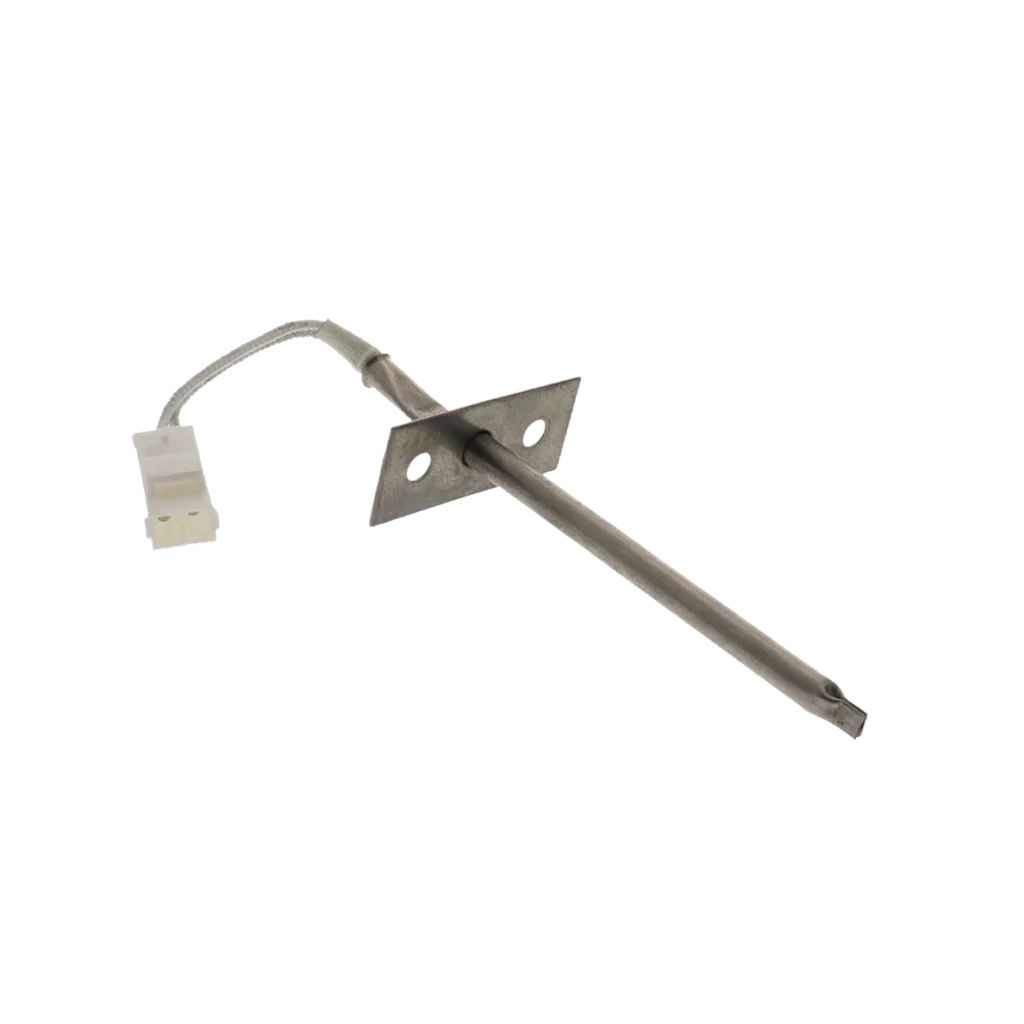
Your Frigidaire oven's cycling between too hot and not hot enough, or the igniter glows orange but never actually lights the gas. Nine times out of ten, you're looking at a failed temperature sensor probe. This hub covers the 316233902 replacement sensor that fits dozens of Frigidaire, Kenmore, and Electrolux ranges — including the popular FFEF and CFEF series that share this exact same probe design.
Is This the Right Part for Your Model?
The 316233902 sensor works across multiple Frigidaire lines, but you'll want to verify your exact model number before ordering. Look for the model tag inside the oven door frame or on the side panel when you pull the drawer out. If your model starts with FFEF3052, FFEF3011, FFGF3011, CFEF3052, CFEF312, CFEF317, CFEF311, or CFGF337, you're in the right place. This sensor also replaces the older 316233903, 316233900, and 316217008 part numbers — so if you've got one of those listed on your appliance, this updated version will work.
About This Replacement Part
The temperature sensor probe is basically a thermometer that tells your oven's control board what's happening inside the cavity. When it starts failing, you'll see weird symptoms: little to no heat when baking, the oven running way too hot and burning everything, or — on gas models — that frustrating situation where the igniter glows bright but never actually lights the burner because the board thinks the oven's already at temperature.
Here's the thing about this particular sensor: the connector might look different than your original. One installer noted, "The part was great unfortunately it didn't work it has a different connection than what I have on my stove." Don't panic if that happens. You'll need to cut the old connector off and splice the wires together with porcelain wire nuts (the white ceramic ones rated for high heat). It's not complicated, just strip about half an inch of wire, twist them together, and cap them. Make sure you're working with the power off at the breaker.
Common Symptoms That Point to Sensor Failure
Temperature sensors don't usually die dramatically — they drift out of spec gradually. You might notice the oven's not heating evenly, with hot spots on one side. Or it's cycling on and off too frequently because the sensor's telling the board incorrect readings. On gas ranges, a bad sensor can prevent ignition entirely even though the igniter's clearly working. If you're seeing any of these issues and you've already ruled out the heating element or igniter itself, the sensor's your next target.
Compatible Frigidaire Models
This sensor fits a wide range of Frigidaire electric and gas ranges. Here's a sample of confirmed compatible models — if yours isn't listed but shares the same series prefix, it likely uses the same sensor:
- FFEF3052TSG — Frigidaire electric range
- FFEF3052TBD — Frigidaire electric range
- FFEF3011LBJ — Frigidaire electric range
- FFEF3011LWJ — Frigidaire electric range
- FFGF3011LWK — Frigidaire gas range
- CFEF3052TWD — Frigidaire electric range
- CFEF3052TSD — Frigidaire electric range
- CFGF337ESE — Frigidaire gas range
- CFEF312GSA — Frigidaire electric range
- CFEF317GSB — Frigidaire electric range
- CFEF311FSA — Frigidaire electric range
- CFEF317GSA — Frigidaire electric range
- CFGF337GSA — Frigidaire gas range
Need to check more models? Use the compatibility checker on the product page to search your specific model number.
Installation Heads-Up
The sensor mounts inside the oven cavity, usually in the upper left or right corner. You'll see a single probe sticking through the back wall with a wire harness behind it. Most of the time it's held in with a single bracket and screw. The actual replacement takes maybe ten minutes once you've got the back panel off — the tricky part's just getting access to the wire connection. Remember that connector issue we mentioned: be prepared to splice if needed, and keep those porcelain wire nuts handy.
Why This Part Fails
Temperature sensors sit inside a 500-degree environment and cycle hot-cold constantly. The probe itself can develop resistance drift, which throws off the readings. Sometimes the wire insulation cracks from heat exposure, causing intermittent shorts. And occasionally the connector pins corrode if moisture gets into the oven cavity. It's wear and tear, basically — these sensors typically last 7-10 years before they need replacement.
Can't find your model?
Enter your model number and we'll confirm the right part.