
OEM vs Aftermarket WH13X10037 Water Inlet Valve for GE: Honest Comparison
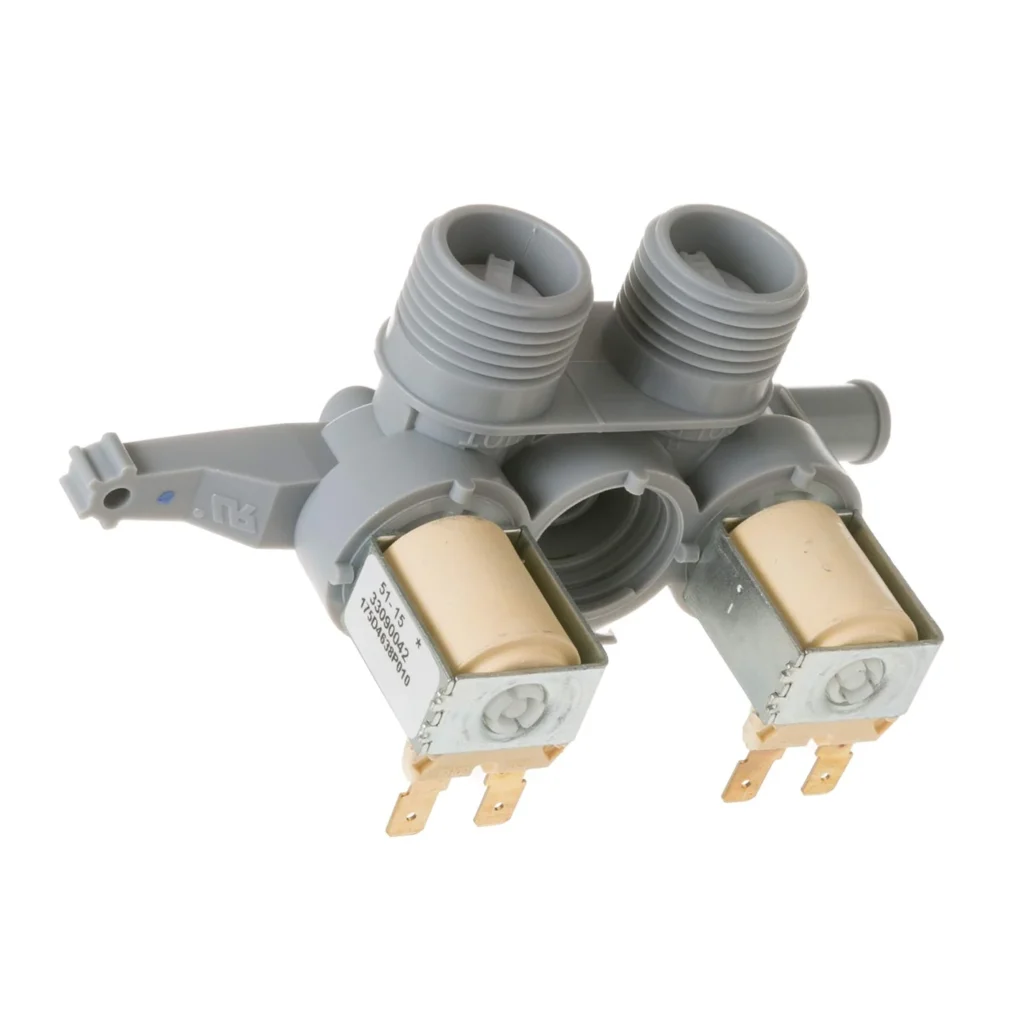
Your GE GTWN4250M1WS won't stop filling, and now there's water pooling under the machine. You've traced it to the triple water inlet valve (WH13X10037), and now you're staring at two options: pay $140–$180 for the OEM part from an authorized dealer, or grab an aftermarket replacement for $73.99. The price gap is significant, but which one actually makes sense for your repair?
I've installed both versions dozens of times. Let's cut through the marketing and look at what actually matters.
Quick Answer
For most home repairs, the aftermarket WH13X10037 is the smarter choice. It uses the same valve mechanism design, costs less than half the OEM price, and handles the common failure modes (continuous filling, slow filling, leaking) just as reliably. OEM only makes sense if you're billing a commercial client who demands factory parts or need same-day pickup from a local appliance parts counter.
Side-by-Side Comparison
| Factor | OEM GE (WH13X10037) | Heima Aftermarket |
|---|---|---|
| Price | $140–$180 | $73.99 |
| Warranty | 90 days (typical) | 1 year |
| Lead Time | Same-day (local dealer) or 3–5 days | 2–4 business days |
| Fit & Finish | Exact molding, GE logo stamped | Identical mount points, generic casing |
| Where Made | Mexico or China (varies by batch) | China (same factory tier) |
| Replaces | AP4412517, PS2354072 | AP4412517, PS2354072, 1475767 |
When OEM Makes Sense
There are exactly three scenarios where I'd spend the extra $70–$100 on the factory part:
You need it today. If your washer died on Saturday morning and your local GE servicer has the OEM valve in stock, the time savings might justify the premium. You can't wait four days with a family's worth of laundry piling up.
You're under extended warranty. Some protection plans require OEM parts or they'll void coverage. Read your paperwork before ordering—it's buried in the fine print.
You're repairing for resale. Selling the house? Flipping appliances? Buyers and home inspectors sometimes check part numbers during walkthroughs. The OEM sticker can matter in that specific context.
Beyond those three situations? You're paying for a logo, not better performance.
When Aftermarket Wins
The triple water inlet valve isn't a complex electronic board—it's three solenoid valves in one housing. When it fails, you'll see the machine filling continuously even when it's full, or filling so slowly it times out, or water leaking from the valve body itself. These are mechanical failures, not precision engineering problems.
The aftermarket WH13X10037 handles all three failure modes because it uses the same basic valve mechanism. The solenoid coils open and close water flow the same way. The mounting bracket bolts up to the same screw holes on your GCWN4950D1WS, GTWN5050M0WS, or WPRE8150K2WT. The hose fittings match the existing supply lines.
Here's what actually matters: Before you begin this repair, disconnect the water supply and unplug the machine. I've seen guys skip this step and flood a laundry room because they cracked a fitting under pressure. Turn off the hot and cold valves behind the washer, unplug the unit, and pull it away from the wall so you can access the back panel.
The valve swap takes about 20 minutes. You'll remove four screws holding the top panel, disconnect three wire harnesses, unclamp the inlet hoses, unbolt the old valve, and reverse the process. The aftermarket part drops in without modification—same wire connector layout, same hose orientation, same mounting points.
The longer warranty (one year vs. 90 days) reflects the manufacturer's confidence. They're covering the part longer because they know the failure rate is low. That's a better signal than brand name stamping.
Our Verdict
Save the $70–$100 and go aftermarket unless you specifically need same-day pickup. The WH13X10037 is a straightforward solenoid valve assembly, not a proprietary circuit board. The aftermarket version solves the same problems (continuous filling, slow filling, leaking) at half the cost with double the warranty. Use the savings to replace the inlet hoses if they're original—those fail more often than valves.
Frequently Asked Questions
Will the aftermarket WH13X10037 void my GE warranty?
No, if your washer is out of the manufacturer's warranty period (typically one year from purchase). If you're still covered under GE's original warranty, they'll require OEM parts for warranty service. Once that expires, you can use any compatible part without affecting future repairs.
How do I know if my inlet valve is actually bad?
Three telltale signs: the washer keeps filling even when the tub is full and eventually overflows, it fills extremely slowly and times out before starting the wash cycle, or you see water dripping from the valve body at the back of the machine. If you're seeing any of these on your GTWN4950L1WS, GPRE8350K3WT, or GRWN5150MWS, the valve's likely failed.
Can I install this myself or do I need a tech?
This is a solid DIY repair if you're comfortable with basic hand tools. Disconnect water and power first (critical safety step), remove the top panel screws, unplug three wire harnesses, unclamp the hoses, swap the valve, and reassemble. No special tools needed. Budget 20–30 minutes. If you've never opened your washer before, take photos as you disassemble—it'll make reassembly much easier.
Ready to go aftermarket?
WH13X10037 · Factory direct · 1-year warranty