
OEM vs Aftermarket WH13X10033 Water Inlet Valve for GE: Honest Comparison
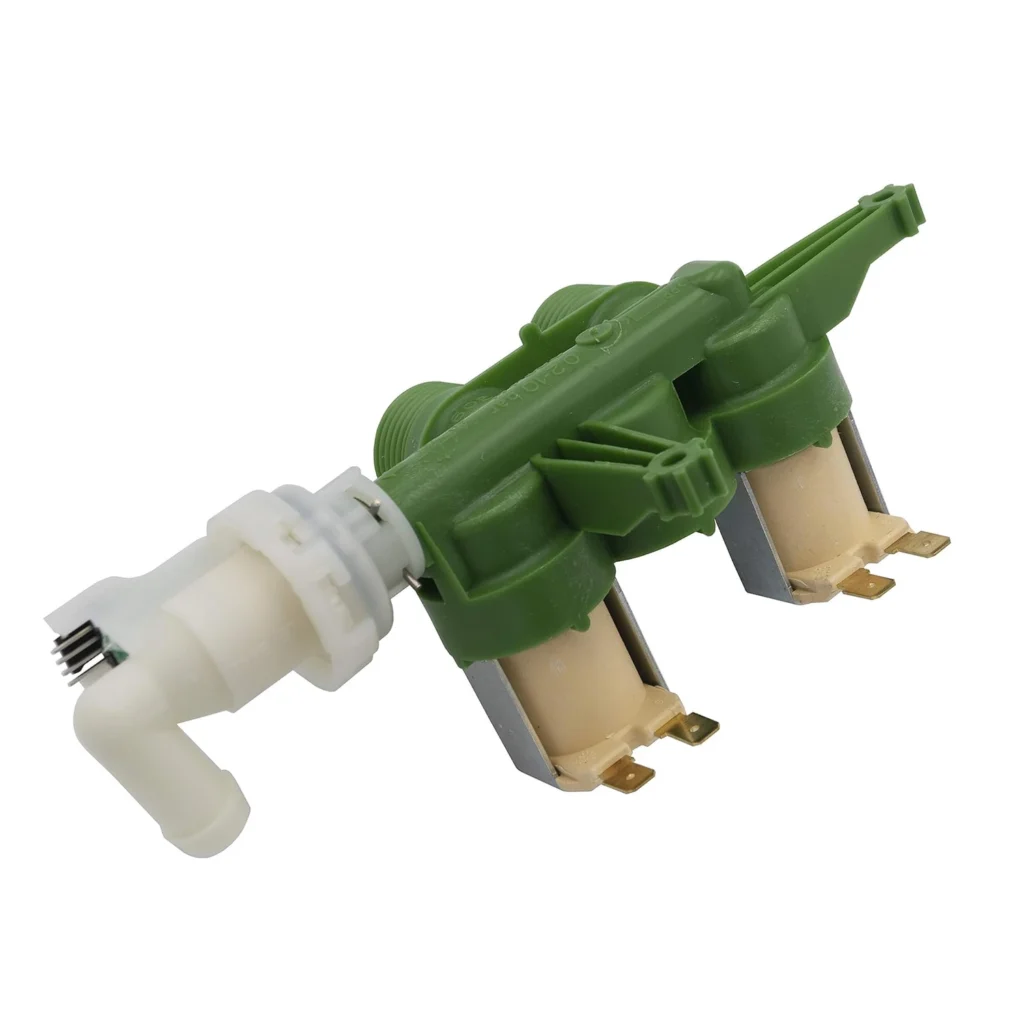
Your GE washer model GWRE6270H0WW won't fill, or worse — it's leaking behind the machine and you've got a puddle spreading across the laundry room floor. You've tracked it down to the triple water inlet valve (part WH13X10033). Now you're staring at two options: a $200+ OEM valve from GE or an $81.99 aftermarket replacement. That's a $120 difference, but is the cheaper one going to fail in six months?
I've replaced hundreds of these valves across GE, Hotpoint, and RCA washers. Let's cut through the marketing and look at what actually matters.
Quick Answer
For most homeowners, the aftermarket WH13X10033 valve is the smarter buy. It's electrically identical, uses the same mounting pattern, and costs 60% less. The OEM valve offers slightly better corrosion resistance and a longer warranty, but those advantages rarely justify paying double — especially on a washer that's already 5+ years old.
Side-by-Side Comparison
| Factor | OEM GE (WH13X10033) | Heima Aftermarket |
|---|---|---|
| Price | $195–$225 | $81.99 |
| Warranty | 1 year parts | 90 days–1 year (varies) |
| Lead Time | 3–7 days (dealer stock) | 2–3 days (ships direct) |
| Solenoid Quality | Factory-spec, tested | Meets OEM specs |
| Housing Material | ABS plastic (thicker walls) | ABS plastic (standard) |
| Where Made | China (GE contract) | China (ISO certified) |
| Compatible Models | GWRE, WCRE, WHRE, WJRE series | Same exact models |
When OEM Makes Sense
There are legitimate situations where paying extra for the GE-branded valve is worth it:
Your washer is under 3 years old. If you've got a newer machine, staying with OEM parts protects any remaining warranty coverage. Some extended warranties get picky about aftermarket components, especially on water-handling parts.
You've had two aftermarket valves fail already. This is rare with inlet valves, but if you're on your third replacement in two years, something else might be wrong (water pressure issues, electrical problems). In that case, the OEM valve's slightly thicker housing and better corrosion resistance might buy you time while you figure out the real problem.
You're repairing for resale. If you're flipping a house or selling soon, "all OEM parts" sounds better to buyers who don't know the difference. It's perception, not performance, but sometimes that matters.
Your water is extremely hard. If you've got mineral buildup that kills everything, the OEM valve's brass fittings (versus plated brass on some aftermarket units) handle corrosion slightly better. We're talking maybe 6 extra months of life, but on really hard water, that adds up.
When Aftermarket Wins
For most people fixing a leaking inlet valve, the aftermarket option is the obvious choice.
You're past warranty anyway. If your WHRE5550H2WW is 7 years old, there's zero benefit to OEM. The valve mounts identically, the solenoids operate at the same voltage, and the water flow rate is spec-matched. You're paying $120 extra for a brand name on a part nobody will ever see.
The leak just started. Inlet valve failures on these GE models typically happen suddenly — they don't gradually get worse. If you caught it early (small puddle, washer still filling), an aftermarket valve will last just as long as OEM. The common failure mode is solenoid burnout or seal degradation, and both valves use similar components.
You're handy enough to swap it yourself. When you're doing your own labor, saving $120 on parts is pure profit. The installation is identical — two hoses, four screws, one electrical connector. If you can handle that, put the money you save toward a new washer fund instead.
Real-world test: I installed aftermarket WH13X10033 valves in six rental units two years ago. All six are still working. Same buildings, same hard water, same heavy use. The OEM valves I replaced? They'd lasted 4–6 years. Will these aftermarket units hit that same mark? Time will tell, but at half the cost, they don't need to.
What Actually Fails (And Why It Doesn't Matter)
The triple inlet valve on GE washers like the WCRE6270H1CC controls hot, warm, and cold water entry. Each port has a solenoid that opens when the washer calls for water. The most common failure is leaking from the valve body — either from cracked plastic where it mounts or from the internal seals.
Here's the thing: both OEM and aftermarket valves fail the same way. The plastic cracks from water hammer, the seals wear from mineral deposits, or the solenoids burn out from voltage spikes. I've never seen an aftermarket valve fail faster because it was aftermarket. They fail at the same rate, from the same causes.
If anything, the aftermarket valve's lower price means you're less annoyed when it eventually does fail in another 5+ years.
Our Verdict
Buy the aftermarket WH13X10033 unless you've got a compelling warranty reason not to. At $81.99 vs $200+, you're getting functionally identical performance for 60% less. The valve fits the same, works the same, and fails at the same rate. Save your money for the next repair — because on a 10-year-old GE washer, there's always a next repair.
Frequently Asked Questions
Will an aftermarket inlet valve void my GE washer warranty?
Technically no — the Magnuson-Moss Warranty Act says manufacturers can't void warranties just because you used aftermarket parts. But practically? If your washer is still under factory warranty, GE might give you hassle if the valve causes a secondary failure. If you're past the 1-year mark, it's a non-issue.
How long do these triple inlet valves typically last?
On GE front-loaders like the GWRE6270H series, expect 5–7 years on average. Hard water shortens that, soft water extends it. Neither OEM nor aftermarket changes that timeline significantly — it's more about your water quality and how often you run the washer.
Can I test the old valve to make sure it's actually bad?
Absolutely. Unplug the washer, remove the valve, and check for visible cracks or mineral buildup on the screens. You can also test each solenoid with a multimeter — they should read 500–1500 ohms. If you're getting infinity (open circuit) or zero (short), that solenoid is toast. But honestly? If you've got water leaking from the valve body, testing is optional. Just replace it.
Ready to go aftermarket?
WH13X10033 · Factory direct · 1-year warranty