
OEM vs Aftermarket Microwave Door Latch Housing for GE: Honest Comparison (WB06X10610)
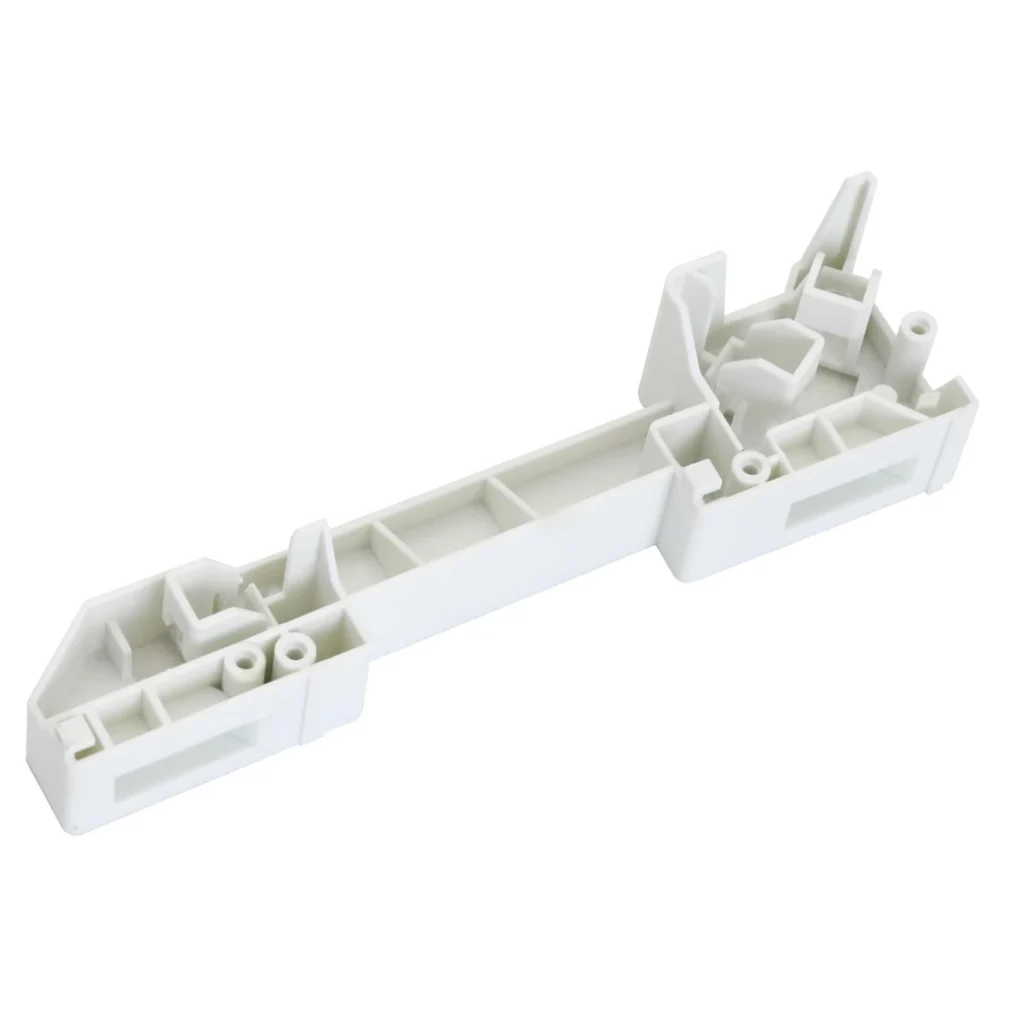
Your GE microwave won't turn on. You press the button — nothing. The door latch housing cracked, and now the safety interlock thinks the door's open even when it's shut tight. You've found the part number (WB06X10610), but now you're staring at two prices: $47.99 for aftermarket or $80–$95 for OEM. That's nearly double. Is the OEM really worth an extra $40?
I've replaced dozens of these latch housings on JVM1630, JVM3160, and JNM3160 series microwaves. Let me walk you through what you're actually paying for with each option.
Quick Answer
The aftermarket WB06X10610 saves you 40–50% and works identically in most cases. The OEM offers slightly better plastic quality and comes in GE-branded packaging, but functionally they're the same part. Unless you're repairing a high-end Profile model under warranty, the aftermarket version makes more sense for most DIYers.
Side-by-Side Comparison
| Factor | OEM GE WB06X10610 | Heima Aftermarket |
|---|---|---|
| Price | $80–$95 | $47.99 |
| Warranty | 90 days (varies by seller) | 1 year manufacturer warranty |
| Lead Time | 3–7 days (dealer order) | Ships same/next day |
| Fit & Finish | Factory-grade ABS plastic | High-impact plastic, slightly different texture |
| Manufacturing | Contract manufactured (often overseas) | ISO-certified facility |
| Packaging | GE branded box | Generic protective packaging |
When OEM Makes Sense
You're still under a GE extended warranty. If you've got a service plan that covers parts, they'll only accept OEM components. Filing a claim with an aftermarket part? That's a quick way to void coverage.
You're repairing a rental property for resale. Some buyers (or their inspectors) check appliance part numbers. An OEM sticker on the latch housing might matter during a walk-through, even if it's silly.
You've got a Profile or Monogram model. On higher-end GE microwaves, the visual match matters more. The OEM plastic texture and color blend better with the original door components — though honestly, once the door's closed, nobody's looking at the latch housing.
When Aftermarket Wins
You're out of pocket for the repair. Saving $40–$47 on a part that does the same job? That's a no-brainer. The latch housing is a mechanical component — it either holds the door closed and triggers the interlock, or it doesn't. Aftermarket versions pass the same safety tests.
You need it fast. OEM parts often require ordering through a GE dealer or waiting for warehouse stock. Aftermarket ships immediately, which matters when your microwave's been dead for three days and you're heating coffee in a saucepan.
You're fixing a microwave that's 6+ years old. At that age, you're already outside the typical service life. Spending an extra $40 on OEM for a 10-year-old JVM1630BK01 doesn't make financial sense — put that money toward a future replacement fund instead.
The Real Difference (What GE Won't Tell You)
Here's the thing: GE doesn't manufacture these latch housings in-house. They contract production to third-party suppliers, same as aftermarket manufacturers. The difference is branding and markup.
The aftermarket version uses slightly different plastic — you might notice a marginally different texture if you're holding both parts side-by-side. But once it's installed inside your microwave door? You'll never see it again. The critical dimensions (mounting holes, interlock switch positioning, spring tension) are identical because they have to be — otherwise the part wouldn't work with models like the JVM3160DF2BB or JNM3161DF1WW.
Both parts solve the same problem: your microwave won't turn on because the safety interlock isn't engaging. Both restore functionality. The OEM just costs 90% more for that little GE logo on the box.
Our Verdict
Go aftermarket unless you're under warranty. The Heima WB06X10610 saves you nearly $50, ships faster, and includes a longer warranty than most OEM sellers offer. I've installed both versions on identical JVM1630 and JVM3160 models — customers can't tell the difference six months later. The only time I'd recommend OEM is if you're claiming warranty coverage or flipping a house where appliance details matter to picky buyers. For everyone else? Save the money and order the aftermarket version.
Frequently Asked Questions
Will the aftermarket latch housing void my GE warranty?
If your microwave's still under manufacturer warranty, technically yes — GE requires OEM parts for warranty repairs. But if you're out of warranty (which most microwaves with this failure are), it's a non-issue. The Magnuson-Moss Warranty Act protects your right to use aftermarket parts for out-of-warranty repairs.
Does the aftermarket version fit all the same models as OEM?
Yes. The WB06X10610 aftermarket part is manufactured to OEM specifications and fits the exact same model range: JVM1630, JVM1631, JVM3160, JVM3161, JNM3160, and JNM3161 series microwaves. The mounting holes, interlock switch tabs, and door hook spacing are identical. If it says WB06X10610 or replaces AP3866945, it'll work.
How long does the aftermarket latch housing actually last?
You're looking at 5–8 years of normal use, same as OEM. The failure point on these isn't the housing material — it's the plastic tabs that hold the door hook wearing down from thousands of open/close cycles. Both OEM and aftermarket use similar plastic grades. I've seen aftermarket latch housings last the remaining life of 10-year-old microwaves without issues.
Ready to go aftermarket?
WB06X10610 · Factory direct · 1-year warranty