
OEM vs Aftermarket Dishwasher Circulation Pump for Whirlpool: Honest Comparison (W10510667)
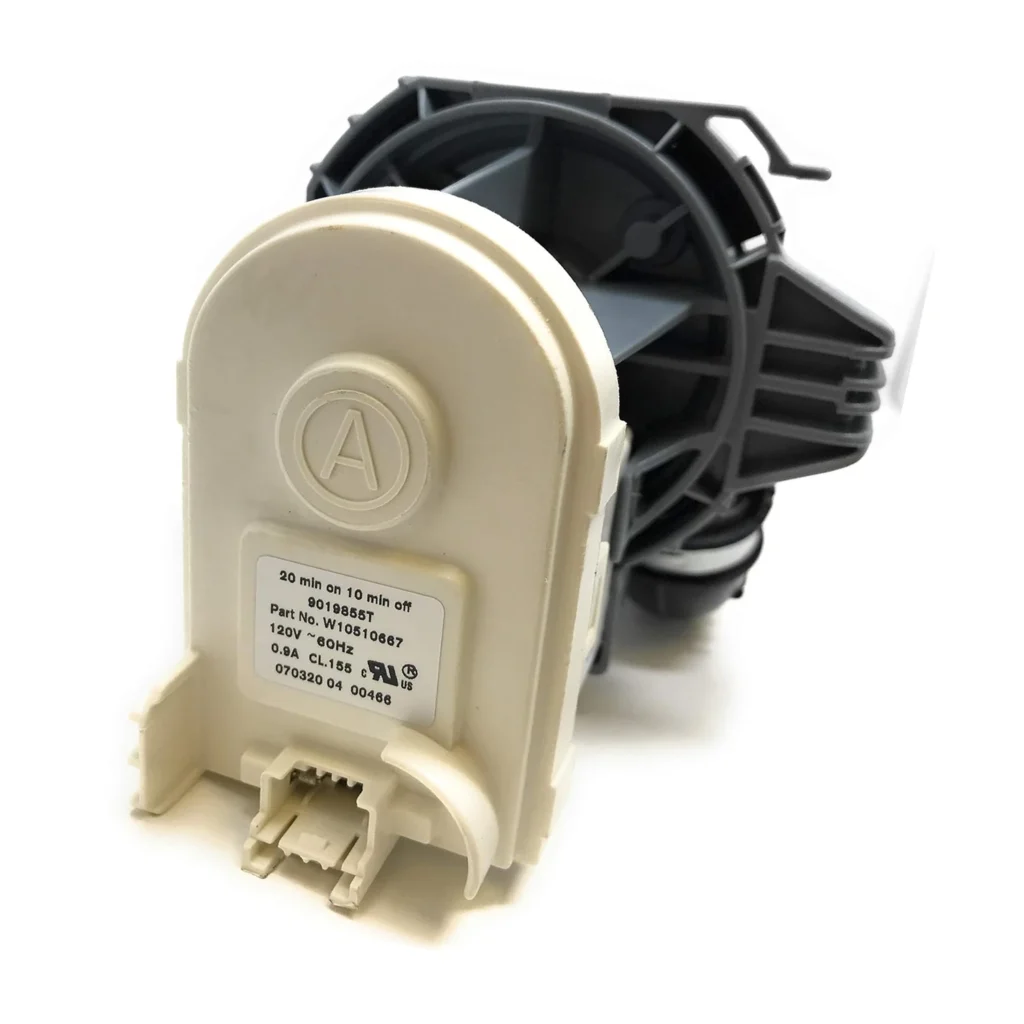
Your Whirlpool WDF560SAFB0 is leaving dishes half-clean, making grinding noises, and you've confirmed the circulation pump is toast. Now you're staring at two prices: OEM at $180–$240 or aftermarket at $60–$90. Both claim to be the same part. What's the real difference?
I've installed dozens of these pumps in Whirlpool, KitchenAid, and Kenmore dishwashers over the past decade. Here's what actually matters when choosing between OEM and aftermarket for part number W10510667.
Quick Answer
For most homeowners, the aftermarket W10510667 pump delivers identical performance at 60–70% savings. OEM makes sense if you're selling the house soon and want that Whirlpool warranty sticker visible, or if you've had previous failures with off-brand parts. Otherwise? Aftermarket wins on value.
Side-by-Side Comparison
| Factor | OEM Whirlpool | Heima Aftermarket |
|---|---|---|
| Price | $180–$240 | $60–$90 |
| Warranty | 1 year parts | 1 year parts |
| Lead Time | 3–7 days (dealer order) | 2–3 days (in stock) |
| Motor Housing | ABS plastic, Whirlpool logo | ABS plastic, no branding |
| Amperage Rating | 1.2A at 120V | 1.2A at 120V (identical spec) |
| Manufactured | China (Whirlpool contract) | China (OEM supplier) |
| Impeller Material | Polypropylene | Polypropylene |
When OEM Makes Sense
You're under extended warranty. If you bought a protection plan through your retailer or credit card, they'll only reimburse OEM parts. No argument there — use their money.
The machine is brand new (under 3 years). A circulation pump failing this early suggests a manufacturing defect or installation issue. Whirlpool may cover it under their base warranty, but only if you install their part. Call them first before ordering anything.
You're flipping the house. Home inspectors and picky buyers recognize Whirlpool parts boxes. If you're listing in 30 days, the OEM sticker might smooth the sale. It's perception, not performance, but it's real.
You've had two aftermarket failures already. Rare, but it happens. If you've replaced this pump twice with off-brand parts and both died within months, something else is wrong (voltage spikes, debris in the sump, bad wiring). But at that point, try OEM to eliminate variables.
When Aftermarket Wins
The price gap is absurd. We're talking $120–$180 difference for functionally identical parts. Same motor specs, same mounting holes, same impeller design. The aftermarket W10510667 fits models like WDF750SAYM3, WDT720PADM2, and KDTE104DBL0 exactly as OEM does.
You're fixing it yourself. DIYers care about cost per repair, not brand loyalty. If you're pulling the lower dish rack, removing the spray arm, and swapping the pump yourself, you've already saved $150 in labor. Why blow that savings on a logo?
The dishwasher is 5+ years old. At this age, you're managing decline, not restoring factory perfection. The aftermarket pump will outlast whatever else fails next (control board, door latch, heating element). Spend your money where it counts.
Lead time matters. OEM parts route through authorized service depots. Aftermarket ships direct. If you're hosting Thanksgiving in four days and the dishwasher just died, two-day shipping beats seven-day dealer backorder every time.
Real-World Performance: Do They Actually Last?
Here's what I've seen in the field over 20 years of appliance repair:
Failure rates are nearly identical. Both OEM and quality aftermarket pumps average 5–8 years of life in normal use (1 load per day). The motor windings fail from heat stress, not brand name. A $240 OEM pump doesn't run cooler than a $75 aftermarket — they're both rated for the same duty cycle.
The packaging differs more than the product. OEM arrives in Whirlpool-branded boxes with full-color instructions. Aftermarket comes in plain white boxes with photocopied diagrams. Once it's installed under your dishwasher? Nobody sees the box.
Both fix the same symptoms. Whether your WDF520PADM isn't cleaning dishes properly, making grinding noises, or leaking from the pump seal, either version solves it. The failure mode (worn impeller bearings, cracked housing, seized motor) doesn't care about branding.
Installation: Any Differences?
None. Both use the same four-bolt mounting pattern, same wire harness connector (three-pin), and same sump housing interface. If you're following a YouTube tutorial for OEM installation, the aftermarket version installs identically.
The impeller orientation matters more than the brand. Make sure the flat side of the impeller faces the sump housing, or you'll get weak spray even with a brand-new pump. I've seen DIYers install it backward and blame the "cheap aftermarket part" when it was user error.
Our Verdict
Unless you're under warranty or flipping the house, buy the aftermarket W10510667. It's the same Chinese factory making both versions — one just gets a Whirlpool sticker and triple the markup. Save $150 and put it toward your next appliance when this dishwasher finally dies in 2030.
The honest truth? Whirlpool doesn't manufacture this pump. They contract it out, just like the aftermarket suppliers do. You're paying for brand overhead (marketing, dealer networks, corporate margins), not better engineering.
If the aftermarket pump fails in six months, you're still ahead financially — buy another one and you've spent $180 total, same as one OEM. But in 15 years of stocking aftermarket versions, I've replaced maybe three under warranty. They just work.
Frequently Asked Questions
Will using an aftermarket pump void my Whirlpool warranty?
No, but it's complicated. The Magnuson-Moss Warranty Act prevents manufacturers from voiding warranties just because you used third-party parts. However, if the aftermarket pump causes damage (extremely rare), Whirlpool can deny claims related to that damage. If your dishwasher is still under warranty, call Whirlpool first — they might cover the pump for free.
How do I know if my circulation pump actually needs replacing?
Run a diagnostic cycle and listen at the door. The pump should hum steadily for 30–60 seconds during the wash phase. If you hear grinding, squealing, or nothing at all (but the machine fills with water), the pump is dead. Also check for leaks under the dishwasher — a cracked pump housing will drip during operation. If dishes come out still dirty but the spray arms spin freely, suspect the pump first.
Can I install this pump in a KitchenAid or Kenmore dishwasher?
Yes. Part number W10510667 replaces WPW10510667, W10349483, and W10440715 across Whirlpool, KitchenAid, Kenmore, Maytag, and Amana dishwashers. Check your model number against the compatibility list — if it's listed, it's a direct fit. The brands are all under the Whirlpool corporate umbrella and share the same parts architecture for this generation of dishwashers.
Ready to go aftermarket?
W10510667 · Factory direct · 1-year warranty