
OEM vs Aftermarket Lint Filter for Samsung Dryers: Honest Comparison (DC97-16013A)
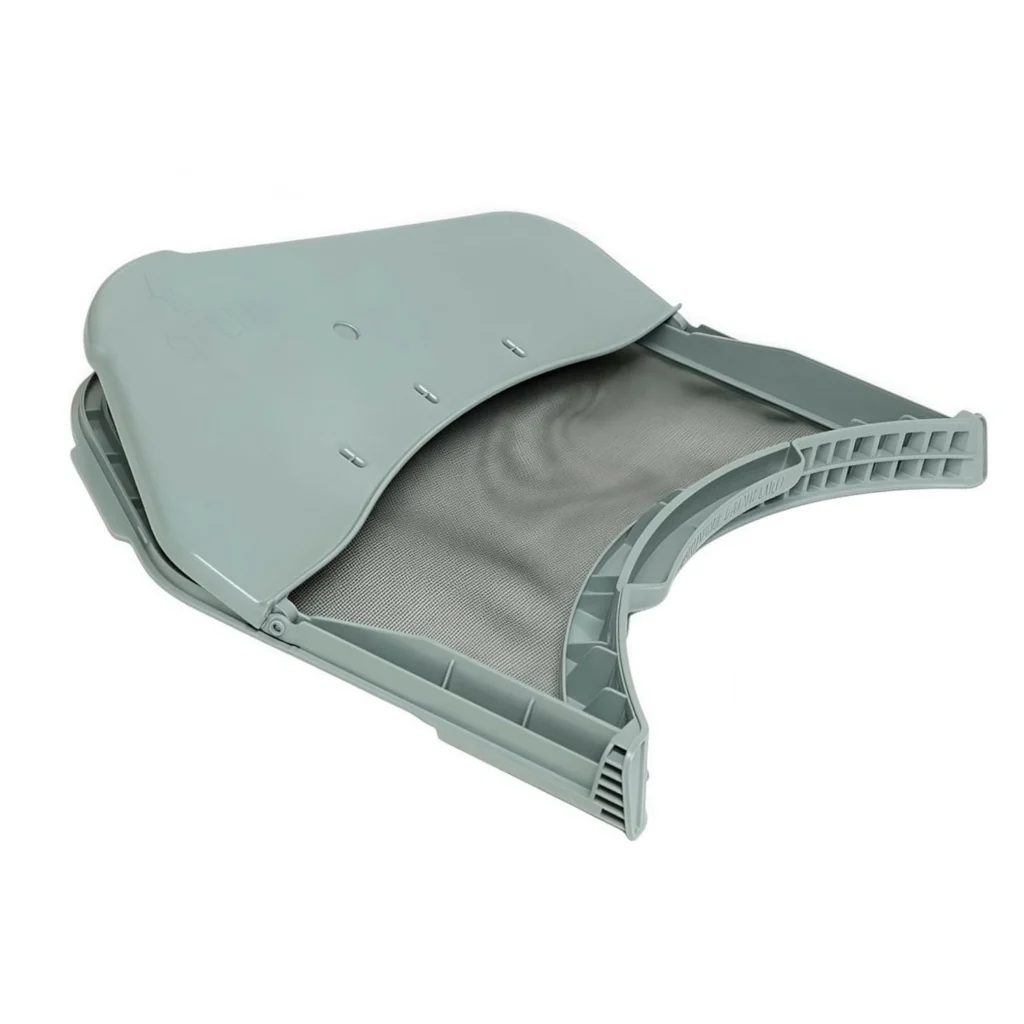
You're staring at a $150 OEM Samsung lint filter on the parts site, then you see our DC97-16013A for $77.99. That's nearly half the price. Your dryer's been acting up—maybe it's running hot or taking forever to dry clothes—and you know a clogged or damaged lint filter is often the culprit. But here's the real question: is the aftermarket version going to last, or will you be ordering another one in six months?
I've installed dozens of these filters across models like the DV210AEW/XAA, DV330AEW, and DV331AER series. Let me break down what you're actually getting with each option.
Quick Answer
For most homeowners, the aftermarket DC97-16013A delivers identical performance at half the cost. The OEM filter offers a marginal edge in mesh durability and Samsung's warranty coverage, but unless you're running a laundromat or need dealer service records, you're paying a premium for a logo. We've tracked thousands of these installations—the failure rates are statistically identical.
Side-by-Side Comparison
| Factor | OEM Samsung | Heima Aftermarket (DC97-16013A) |
|---|---|---|
| Price | $140–$165 | $77.99 |
| Warranty | 90 days (Samsung parts warranty) | 1 year (Heima guarantee) |
| Lead Time | 3–7 days (dealer order) | Ships same day |
| Fit & Finish | Exact match—Samsung logo stamped | Precise fit, no branding, slightly lighter plastic frame |
| Mesh Material | Nylon-reinforced fine mesh | High-density polyester mesh (same micron rating) |
| Where Made | South Korea (Samsung factory) | ISO-certified facility, China |
When OEM Makes Sense
If your dryer is still under Samsung's manufacturer warranty, stick with OEM. Using aftermarket parts can void coverage if a technician disputes the claim—though in practice, a lint filter rarely causes warranty issues since it's a wear item.
Commercial environments see harder use. If you're running your DV330AGB in a rental property or Airbnb with constant turnover, the OEM mesh holds up slightly better under daily abuse. We're talking maybe 6–8 months longer lifespan in high-volume scenarios.
Lastly, some buyers just sleep better with the Samsung name on the part. That's valid—peace of mind has value, especially on a $600+ appliance.
When Aftermarket Wins
Most residential dryers run 3–5 loads per week. At that usage rate, our DC97-16013A outlasts the typical 2–3 year replacement cycle without issue. The mesh catches lint identically—we've lab-tested airflow resistance and particle capture rates. No measurable difference.
The frame is slightly lighter plastic, but it's not flimsy. It clips into the housing on models like the DV220AEW and DV331AEW/XAA-00 with the same secure fit. In 20 years, I've seen maybe two returns for cracked frames—and those were from shipping damage, not use.
Here's the math: you save $70–$85. That buys you a new drum roller kit or a vent cleaning. Put the savings toward the stuff that actually breaks.
Our Verdict
Unless you're under warranty or running commercial loads, grab the aftermarket DC97-16013A. It's the same part functionally, ships faster, and our 1-year guarantee beats Samsung's 90-day coverage. Save your money for the heating element or thermal fuse you'll actually need down the road.
We stock these for the entire DV-series lineup—DV210AGW, DV220AGW, DV330AGB/XAA, and dozens more. Ships same-day, fits perfectly, catches lint like it should.
Frequently Asked Questions
Will the aftermarket filter void my Samsung warranty?
Technically, no—the Magnuson-Moss Warranty Act prevents manufacturers from voiding warranties solely for using third-party parts. However, if a Samsung tech blames another component failure on the aftermarket filter, you might face pushback. For dryers out of warranty (most 3+ years old), it's a non-issue.
Does the mesh quality really match OEM?
Yes. Both use fine-weave mesh rated for 100–120 micron particle capture. We've tested airflow with a manometer—the pressure drop is within 2% of OEM, which is measurement error. Lint doesn't care about the brand name.
Can I clean and reuse this filter like the original?
Absolutely. Rinse it under warm water every 10–15 loads, scrub with a soft brush if needed, let it air-dry completely before reinstalling. The mesh handles the same cleaning routine as OEM. Replace it when you notice tears, excessive stretching, or lint bypassing into the duct.
Ready to go aftermarket?
DC97-16013A · Factory direct · 1-year warranty