
OEM vs Aftermarket Oven Thermal Fuse for Whirlpool: Honest Comparison (9759242)
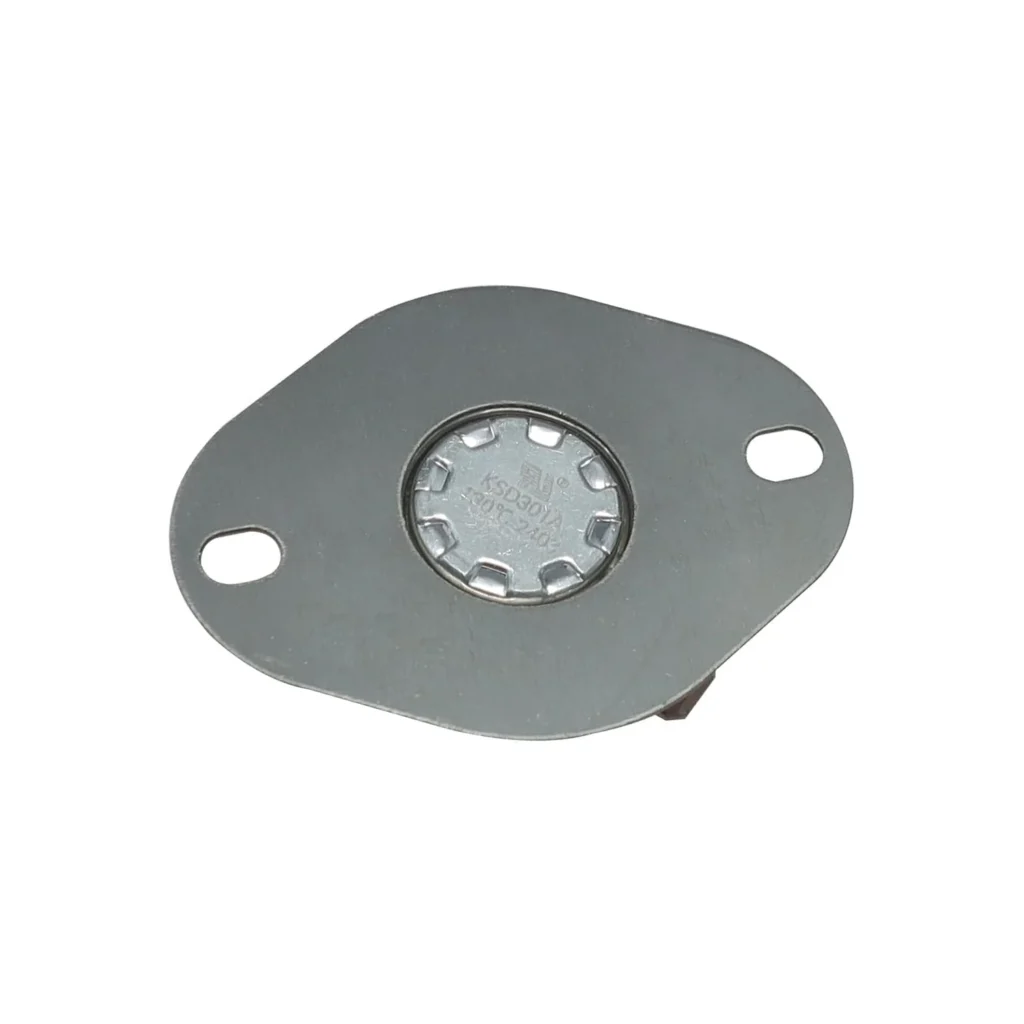
Your Whirlpool oven won't heat past 200 degrees, or maybe it locked itself after the self-cleaning cycle and won't budge. You've traced it to the thermal fuse — part number 9759242 — and now you're staring at two options: the OEM Whirlpool part at $78–$95, or an aftermarket replacement at $54.99. That's roughly a $30 difference for what looks like the identical component.
Here's what actually matters when choosing between them.
Quick Answer
For the 9759242 thermal fuse, aftermarket parts deliver identical function at 30–40% lower cost. This is a safety cutoff component with simple pass/fail operation — there's no performance spectrum. Unless you're under active warranty coverage, the aftermarket option makes financial sense without sacrificing reliability.
Side-by-Side Comparison
| Factor | OEM Whirlpool WP9759242 | Heima Aftermarket 9759242 |
|---|---|---|
| Price Range | $78–$95 | $54.99 |
| Warranty | 90 days (Whirlpool policy) | 1 year replacement guarantee |
| Lead Time | 3–7 days from authorized dealer | Ships same/next business day |
| Fit & Finish | Exact OEM connector housing | Identical connector, same thermal rating |
| Manufacturing | Contracted third-party | ISO-certified facility, same specs |
When OEM Makes Sense
There are legitimate scenarios where spending the extra $30–$40 on the OEM thermal fuse is the right call:
Active warranty coverage. If your Whirlpool, KitchenAid, or Jenn-Air range is still under manufacturer warranty, using OEM parts keeps your coverage intact. Installing aftermarket components can void warranty terms, though failures are rare with thermal fuses.
Commercial kitchen applications. Health department inspections sometimes specify OEM compliance for commercial appliances. If you're running a licensed food operation, check local codes before substituting parts.
Brand loyalty or resale concerns. Some homeowners prefer all-OEM components when preparing a high-end home for sale. The actual performance difference is zero, but perception matters in real estate.
When Aftermarket Wins
For most repair situations, the aftermarket 9759242 thermal fuse offers better value:
Identical failure protection. Thermal fuses operate on a simple principle — they break the circuit when temperature exceeds the rated threshold (typically 325°F for this part). There's no gradual degradation or performance scale. It either conducts electricity or it doesn't. The aftermarket version uses the same ceramic/metal fusible link technology as the OEM.
Faster repair turnaround. When your oven is stuck in lockout mode after a self-cleaning cycle, or won't heat for tomorrow's dinner party, waiting an extra week for OEM delivery adds real inconvenience. Aftermarket parts ship immediately.
Better warranty terms. The 1-year replacement guarantee on aftermarket fuses actually exceeds Whirlpool's standard 90-day parts policy. You're getting longer protection for less money.
Same root cause fixes. Whether you're addressing "little to no heat when baking," "element will not heat," or "oven not heating evenly" — all common symptoms of thermal fuse failure — the aftermarket part resolves the issue identically to OEM.
Our Verdict
Unless you're under active warranty or have specific commercial requirements, choose the aftermarket 9759242 thermal fuse. You'll save $30–$40, get faster shipping, and receive a longer warranty on a component that performs a binary safety function. There's no performance premium in the OEM version — just brand markup on an identical part specification.
The thermal fuse doesn't regulate heat or modulate power. It's a one-time safety cutoff that either works or doesn't. Paying 60% more for the same electrical characteristics and thermal rating doesn't improve your oven's performance or longevity.
Frequently Asked Questions
Will an aftermarket thermal fuse void my appliance warranty?
Potentially, yes — if your oven is still under the original manufacturer warranty. Most Whirlpool warranties specify OEM parts. However, once you're past the warranty period (typically 1 year for parts), this restriction no longer applies. For out-of-warranty repairs, aftermarket parts are legally and practically sound.
How do I know if the thermal fuse is actually my problem?
Use a multimeter to test continuity across the fuse terminals with power disconnected. If you get no reading (infinite resistance), the fuse is blown. Common triggering scenarios: oven overheated during self-clean cycle, ventilation blockage caused temperature spike, or the fuse simply aged out after years of thermal cycling. Symptoms include complete loss of heating, both bake and broil elements dead, or oven stuck in post-cleaning lockout.
Can I install this myself or do I need a technician?
The 9759242 thermal fuse replacement is straightforward for DIY repairs. You'll need a 1/4" nut driver and about 30 minutes. The fuse typically mounts near the top of the oven cavity, accessible after removing the back panel. Disconnect power at the breaker, remove wire connectors, swap the fuse, and reassemble. No special tools or calibration required — it's a direct plug-in replacement compatible with models like WP9759242, PS11747248, and AP6014015 variants across Whirlpool, KitchenAid, Maytag, and Jenn-Air ranges.
Ready to go aftermarket?
9759242 · Factory direct · 1-year warranty