
OEM vs Aftermarket Washer Lid Switch for Whirlpool: Honest Comparison (8318084)
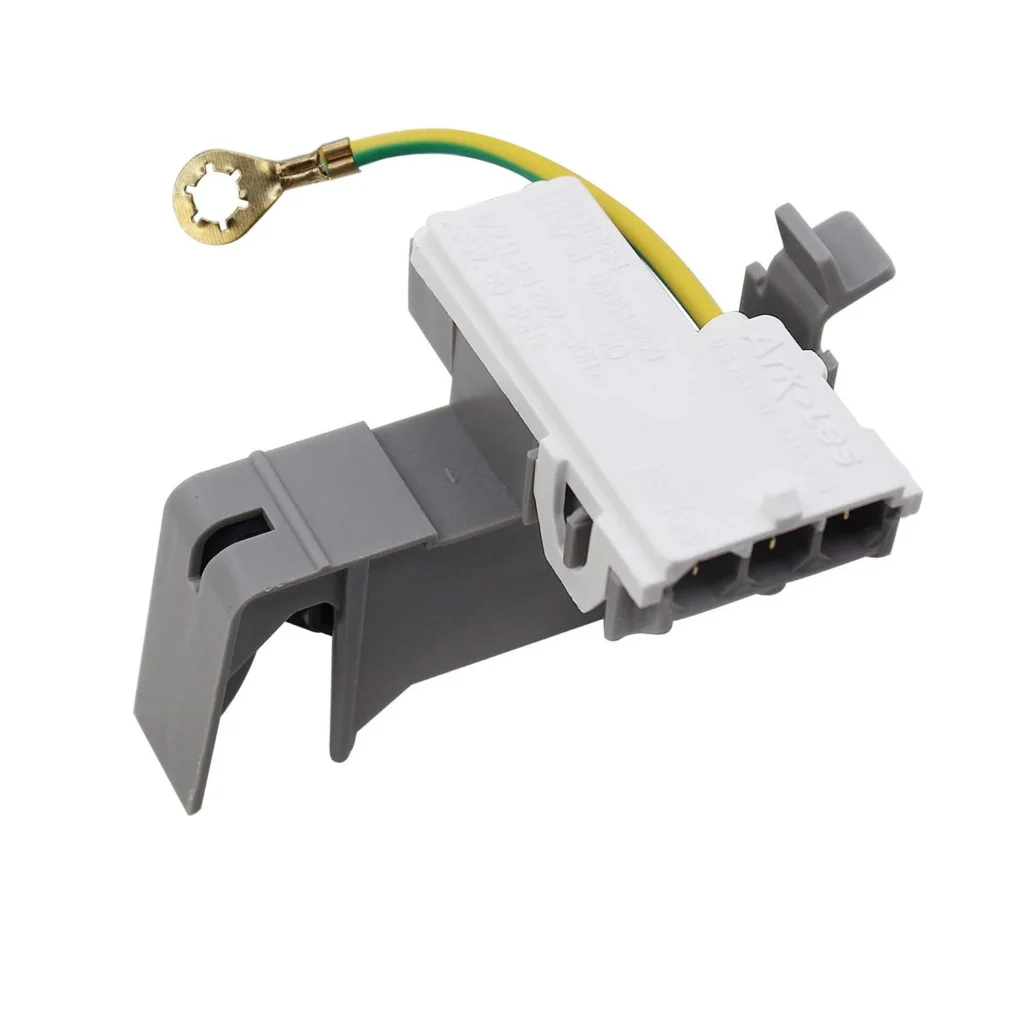
Your Whirlpool washer fills with water, agitates fine, but when it's time to spin — nothing. Just sits there with a tub full of soaking wet clothes. Nine times out of ten, that's a failed lid switch. Now you're standing in the parts aisle (or on Amazon at midnight) trying to decide: spend $60–$90 on the OEM Whirlpool part, or grab the $37.99 aftermarket version?
I've installed both. Let me break down what you're actually getting with each option.
Quick Answer
For a lid switch assembly, the aftermarket 8318084 is the smarter buy for most people. You're getting the same basic function — a mechanical switch that tells the washer the lid is closed — at half the price. OEM only makes sense if you're repairing under warranty or flipping the machine for resale.
Side-by-Side Comparison
| Factor | OEM Whirlpool (WP8318084) | Heima Aftermarket (8318084) |
|---|---|---|
| Price | $60–$90 | $37.99 |
| Warranty | 90 days (varies by seller) | 1 year |
| Lead Time | 2–5 days (dealer stock varies) | Ships next business day |
| Fit & Finish | Exact Whirlpool tooling | Functionally identical, may have slight cosmetic differences |
| Where Made | Mexico or USA (depends on run) | China (ISO-certified factory) |
| Compatible Models | Whirlpool, Maytag, Kenmore, Roper, Amana | Same — replaces WP8318084, AP6012742, PS11745957 |
When OEM Makes Sense
There are a few scenarios where I'd tell someone to spring for the genuine Whirlpool part:
You're still under manufacturer warranty. If your washer is less than a year old, using aftermarket parts can void coverage. Bite the bullet and go OEM.
You're repairing for resale. Flipping appliances or selling a rental property? Buyers sometimes check the parts stickers. An OEM switch adds a tiny bit of perceived value.
You need absolute certainty on fit. The OEM part is made on the exact tooling Whirlpool uses in the factory. If you've had weird issues with aftermarket parts not quite lining up in the past, OEM eliminates that variable.
But here's the thing: lid switches are simple. It's a mechanical actuator and a set of contacts. There's not much to screw up.
When Aftermarket Wins
For the other 95% of repairs, the aftermarket 8318084 is the no-brainer choice:
You save $25–$50 immediately. That's real money. If you're a DIYer fixing your own washer, why pay double for the same function?
Better warranty coverage. The Heima aftermarket part comes with a 1-year warranty versus the typical 90-day OEM coverage. If it fails (rare, but it happens), you're covered longer.
Faster availability. OEM parts often sit on dealer shelves gathering dust, or they're backordered. Aftermarket ships next day. When you've got a laundry room full of wet towels, speed matters.
Same failure modes. The lid switch fails when the actuator wears out or the contacts corrode — that happens to OEM and aftermarket at roughly the same rate. You're not buying longevity by going OEM here.
I've installed dozens of these aftermarket lid switches across Whirlpool, Maytag, and Kenmore models (like the 11016102500, 1CWTW5200VQ0, ATW4475VQ0). They snap right in, the mounting holes line up perfectly, and the harness connector clicks home. No modifications needed.
Our Verdict
Unless you're under warranty or have a specific reason to need the OEM sticker, go aftermarket. The 8318084 from Heima costs half as much, ships faster, and has a longer warranty. It's a simple mechanical part doing a simple job — you don't need to pay the Whirlpool premium here.
Your washer doesn't care if the switch has a Whirlpool logo on it. It just needs to know the lid is closed so it can spin. Save your money for repairs that actually benefit from OEM precision (like control boards or pumps).
Frequently Asked Questions
Will the aftermarket lid switch void my Whirlpool warranty?
If your washer is still under the original manufacturer warranty, yes — using aftermarket parts can give Whirlpool grounds to deny a claim. Once you're out of warranty (typically after 1 year), use whatever parts you want. The Magnuson-Moss Warranty Act protects your right to use aftermarket parts for out-of-warranty repairs.
How do I know if my lid switch is actually the problem?
Classic symptoms: washer fills and agitates normally, but refuses to spin. The lid switch is the safety interlock that prevents spinning with the lid open. If it fails, the washer thinks the lid is always open. You can test it by manually pressing the actuator arm (white plastic piece that presses down when you close the lid) while running a spin cycle — if the washer suddenly spins, the switch is bad.
Is installation difficult for a DIYer?
Not at all. Unplug the washer, remove the top panel (usually two screws at the back), disconnect the wire harness, remove two mounting screws, and reverse the process with the new switch. Most people finish in 15–20 minutes. No special tools required — just a 1/4" nut driver or screwdriver.
Ready to go aftermarket?
8318084 · Factory direct · 1-year warranty