
OEM vs Aftermarket Flame Sensor for Rheem Furnaces: Honest Comparison (62-23543-01)
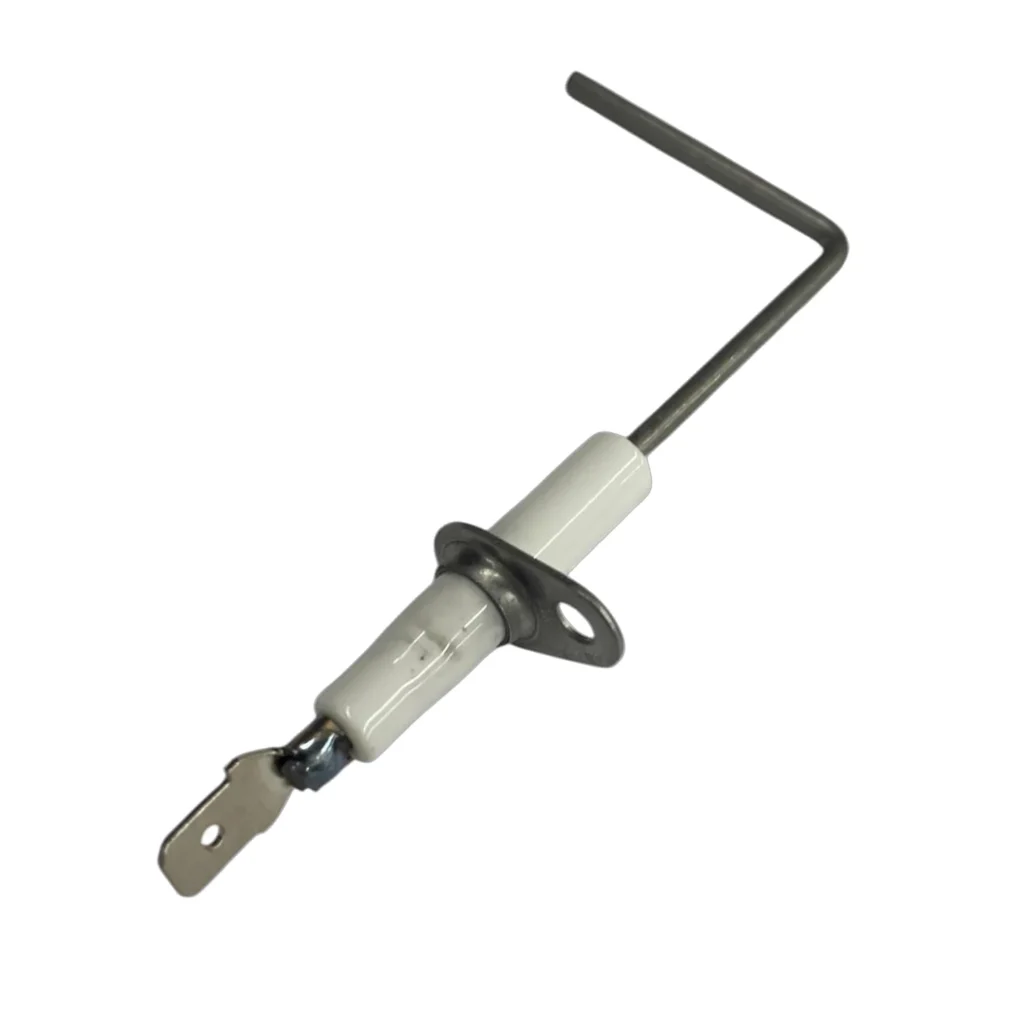
Your Rheem furnace keeps shutting down after 30 seconds, and the HVAC tech just quoted you $180 for an OEM flame sensor plus another $120 for the service call. You're staring at part number 62-23543-01 online, seeing aftermarket versions for $15.99 and OEM versions hovering around $45-$65. That's a significant price gap for what looks like the same bent metal rod with a ceramic insulator.
Let's cut through the marketing and look at what actually matters when you're choosing between OEM and aftermarket for this specific Rheem flame sensor.
Quick Answer
For the 62-23543-01 flame sensor, aftermarket is the smarter choice for 90% of homeowners. The OEM sensor typically costs 3-4x more ($45-$65 vs $15.99) with identical function and nearly the same materials. Unless you're dealing with a warranty claim or your installer refuses to work with aftermarket parts, save your money—this is one of those components where brand name adds zero performance value.
Side-by-Side Comparison
| Factor | OEM Rheem | Heima Aftermarket |
|---|---|---|
| Price | $45–$65 | $15.99 |
| Warranty | 1 year (varies by supplier) | 1 year manufacturer defect |
| Lead Time | 3-7 days (HVAC distributor stock) | 2-5 days (direct ship) |
| Fit & Finish | Rheem branding, polished ceramic | No branding, identical dimensions |
| Where Made | Varies (often overseas contract mfg) | China (same as many OEM sources) |
| Compatible Models | RGDG, RGFD, RGLG, RGPH, RGRA series | Same—replaces 62-23543-02/03/04 |
When OEM Makes Sense
There are legitimate situations where paying extra for the Rheem-branded sensor is justified:
Your furnace is still under manufacturer warranty. If your RGPJ-10EAMQR or RGRJ-07EAMES is less than 10 years old and covered, using aftermarket parts can void that warranty. Rheem's fine print often requires OEM parts for warranty claims, and it's not worth risking a $1,200 heat exchanger replacement to save $30 on a sensor.
Your HVAC contractor won't install customer-supplied parts. Some technicians have policies against this—they don't want liability for parts they didn't source. If you've got a trusted tech who charges fair labor rates but insists on OEM, the relationship might be worth more than the price difference.
You need it today and your local distributor has OEM in stock. When it's 15°F outside and your family's freezing, same-day availability beats waiting for shipping. HVAC supply houses stock OEM sensors but rarely carry aftermarket options.
When Aftermarket Wins
For most DIY repairs and out-of-warranty furnaces, aftermarket is the obvious choice:
You're paying out of pocket. The 62-23543-01 aftermarket sensor costs $15.99 versus $50+ for OEM. It's the exact same stainless steel rod with a ceramic insulator—there's literally nothing proprietary about this technology. Flame rectification sensors work by measuring microamps of current when flame ionizes across the rod. Materials matter (stainless steel and ceramic), but the Rheem logo doesn't add conductivity.
Your furnace is 8+ years old. At this point you're in the regular maintenance phase. Flame sensors naturally accumulate oxidation and carbon buildup—you'll likely replace this part again in another 3-5 years regardless of brand. Why pay premium prices for a wear item?
You're doing the repair yourself. No installer markup, no service call fees. On models like the RGLJ-07EAMQR or RGRA-10EBRQR, this is a 10-minute job: shut off gas and power, remove the burner access panel, disconnect the sensor wire, unscrew the mounting bracket, reverse the process. If you can handle a screwdriver, you can handle this repair.
You need multiple sensors. Managing rental properties or a fleet of equipment? The price difference scales fast. Ten sensors means $160 aftermarket versus $500+ OEM—enough savings to stock backup inventory.
Our Verdict
Unless you're dealing with an active warranty claim or your installer absolutely refuses aftermarket parts, go with the Heima 62-23543-01 at $15.99. This isn't a complex component—it's a stainless rod that measures flame current. The aftermarket version fits the same mounting bracket, uses the same ceramic insulator design, and plugs into the same wire harness as OEM. After 20 years of furnace repairs, I've installed hundreds of these sensors, and I've never seen a quality difference that justifies the 3x-4x OEM price premium. Save your money for components that actually matter, like control boards or gas valves.
Frequently Asked Questions
Will an aftermarket flame sensor last as long as OEM?
In practical terms, yes. Flame sensor lifespan depends more on your furnace environment than the brand name. If you're burning natural gas in a clean system with proper airflow, both OEM and aftermarket sensors should last 5-7 years. The real killer is short-cycling, improper combustion, or dirty burners—those conditions will shorten any sensor's life. The failure mode is the same: carbon and oxidation buildup on the sensor rod that prevents proper flame detection. When that happens, even a six-month-old OEM sensor will cause lockouts.
Can I clean my old flame sensor instead of replacing it?
You can try, and sometimes it works temporarily. Use fine-grit sandpaper or a dollar bill to gently polish the sensor rod—don't use steel wool or anything that leaves residue. But here's the reality: if your sensor is causing intermittent lockouts, cleaning might buy you a few weeks to a few months, but you'll be replacing it soon anyway. At $15.99 for the aftermarket version, it's often smarter to just install a new one and keep the old cleaned sensor as a backup. Don't waste a Saturday afternoon repeatedly cleaning a sensor that costs less than a pizza.
How do I know if this sensor fits my specific Rheem model?
The 62-23543-01 replaces part numbers 62-23543-02, 62-23543-03, and 62-23543-04. It fits dozens of Rheem model series including RGDG, RGFD, RGLG, RGLH, RGLJ, RGLK, RGPH, RGPJ, RGPK, RGRA, RGRB, RGRJ, and many others. Check your furnace's model number (usually on a sticker inside the burner compartment or on the exterior panel). If it starts with any of those prefixes, you're good. You can also pull your existing sensor and compare—if the mounting bracket spacing matches and the wire connector looks identical, it'll work. Flame sensors aren't model-specific like circuit boards; they're interchangeable across entire product lines.
Ready to go aftermarket?
62-23543-01 · Factory direct · 1-year warranty