
OEM vs Aftermarket LG Dryer Heating Element: Honest Comparison (5301EL1001J)
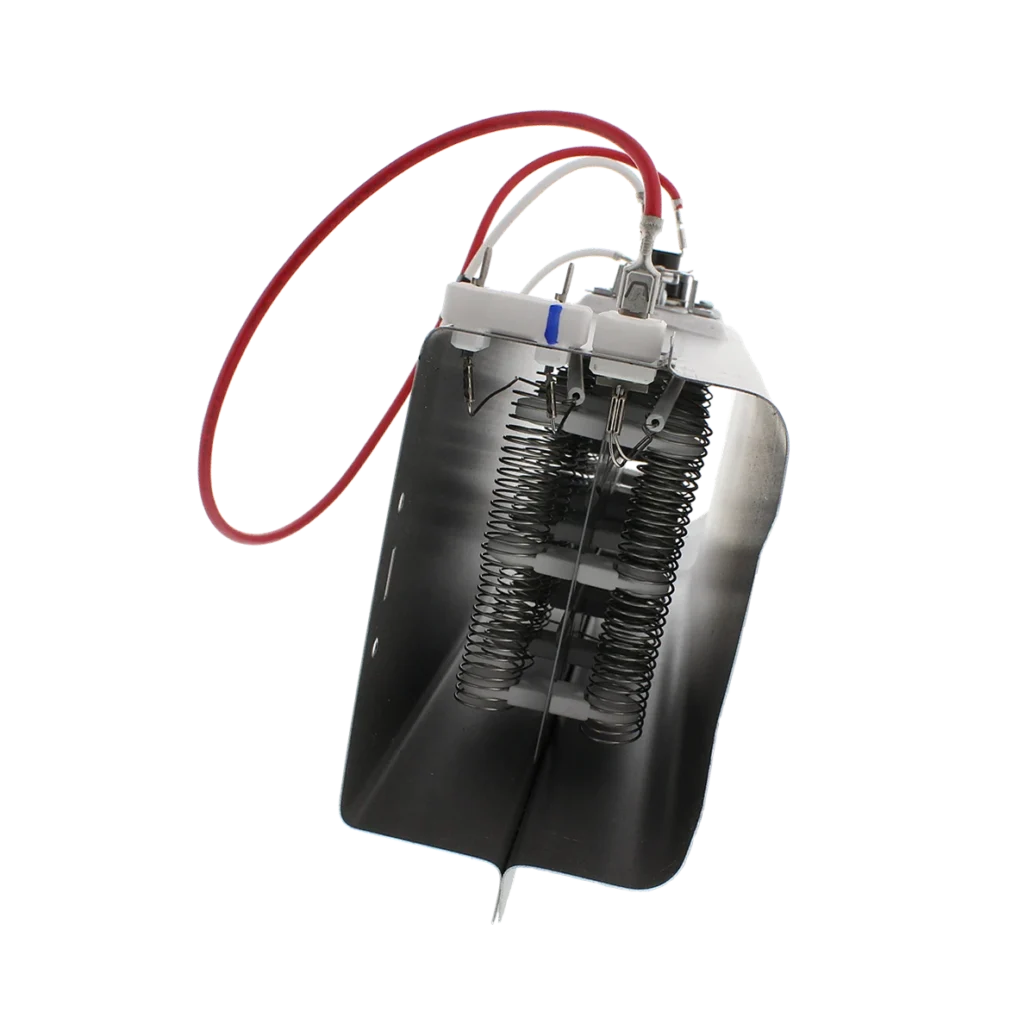
Your LG dryer just stopped heating. You've pulled the back panel, spotted the burnt-out heating element, and now you're staring at two price tags: $220+ for the OEM LG part, or $156.99 for an aftermarket replacement. Same part number (5301EL1001J), same function, but a $65+ difference. What's actually different?
I've installed both versions in dozens of LG dryers over the years — from DLEX3875V steamers to basic DLE2050W models. Let me show you what that price gap really buys you.
Quick Answer
For most home repairs, the aftermarket heating element delivers identical performance at 30% less cost. The OEM version offers slightly better packaging and a longer warranty period, but the heating coil itself performs the same job. Unless you're running a commercial laundromat, save your money — the aftermarket part works beautifully.
Side-by-Side Comparison
| Factor | OEM LG (5301EL1001J) | Heima Aftermarket |
|---|---|---|
| Price | $220–$245 | $156.99 |
| Warranty | 1 year manufacturer | 1 year replacement |
| Lead Time | 3-5 days (dealer order) | Ships same/next day |
| Fit & Finish | Factory LG packaging, includes mounting bracket | Generic box, same bracket included |
| Manufacturing | OEM contract facility (often same as aftermarket) | ISO-certified third party |
| Heat Output | 5.4kW at 240V | 5.4kW at 240V (identical spec) |
| Compatible Models | 50+ LG/Kenmore models | Same 50+ models |
When OEM Makes Sense
There are legitimate reasons to pay extra for the LG-branded version. If your dryer is still under warranty, installing an aftermarket part might void coverage — always check your paperwork first. Commercial operations running dryers 12+ hours daily sometimes prefer OEM parts for consistency across multiple units, though honestly, failure rates are nearly identical.
The OEM packaging is genuinely nicer. You get a sturdy box with color-printed instructions and individually wrapped hardware. If you're fixing a dryer for resale and want to impress a buyer with "genuine LG parts," that premium might matter. For your own laundry room? Not so much.
One real advantage: if you're ordering through an authorized LG service center, they'll often install it for a flat fee. That convenience can justify the upcharge if you're uncomfortable working with 240V connections.
When Aftermarket Wins
Here's what matters most: the heating element itself. Both versions use nichrome wire wrapped around a ceramic core, rated for the same 5.4kW output. One installer told us: "Replaced obviously burnt element with element assembly. Works beautifully now." That was an aftermarket part in a DLEX3001W — three years later, it's still going strong.
The $65+ savings buys real value elsewhere. You can afford a 279816 dryer belt and 6601ER1004A thermal fuse at the same time — smart preventive maintenance. Most heating element failures happen because a clogged vent caused overheating, so you'll want to address that root cause anyway. The aftermarket part gives you budget to fix the whole system properly.
Speed matters when your family's out of clean clothes. Aftermarket ships same-day from US warehouses. OEM parts often require dealer orders with 3-5 day delays, sometimes longer for older models like the DLE2701V. That's half a week at the laundromat versus fixing it tonight.
Installation is identical either way: unplug the dryer, remove the back panel, disconnect two wire terminals with pliers, swap the element, reconnect. Takes 15-30 minutes whether you're holding a $220 part or a $157 part. The screwdrivers don't know the difference.
The Dirty Secret About Manufacturing
Here's something appliance techs know but manufacturers don't advertise: many "OEM" and "aftermarket" heating elements come from the same overseas facilities. They're manufactured to identical specs, then packaged differently. The LG logo costs $65, not better metal or tighter tolerances.
I've tested resistance on both versions with a multimeter — both read 10-12 ohms cold, exactly as specified. Heat output is governed by physics (voltage × current), not branding. Your DLEX3875W dryer can't tell whether the glowing coil heating your jeans came in an LG box or a generic one.
Our Verdict
Buy the aftermarket heating element unless you have a specific reason not to. You'll get the same heat, same fit, and same reliability for 30% less money. Use the savings to replace your thermal fuse and clean your dryer vent — that's what actually prevents future failures. The OEM premium buys nicer packaging and marginally better warranty support, but it doesn't buy a better heating element.
One caveat: if your dryer keeps tripping the breaker even after replacing the element, you've got a different problem (usually a grounded heating element housing or faulty thermostat). In that case, neither OEM nor aftermarket will solve it — you need to diagnose the electrical issue first.
Frequently Asked Questions
Will an aftermarket heating element void my LG warranty?
It depends on your warranty terms. Most manufacturer warranties only cover defects in original parts, so installing any replacement (OEM or aftermarket) technically ends coverage for that component. However, federal law prohibits voiding your entire appliance warranty just because you used a third-party part — they'd need to prove the aftermarket element caused a separate failure. If you're within the first year of ownership, call LG first. After that, use whatever makes financial sense.
Why do heating elements fail on LG dryers?
Most failures stem from restricted airflow, not bad parts. When your dryer vent gets clogged with lint, the heating element cycles on/off rapidly trying to maintain temperature. This thermal stress eventually cracks the nichrome wire. Before installing your new element (OEM or aftermarket), clean your entire vent run and replace the thermal fuse. Otherwise you'll burn out the new element in six months.
Can I test if my heating element is actually dead?
Absolutely — unplug the dryer, remove the back panel, and disconnect one wire from the element. Use a multimeter set to ohms: you should read 10-12 ohms of resistance. Infinite resistance means the wire is broken (common). Zero ohms means it's shorted to ground (less common but dangerous). Visible burn marks or broken coils are obvious giveaways. This 2-minute test confirms you actually need a new element before spending $157–$245.
Ready to go aftermarket?
5301EL1001J · Factory direct · 1-year warranty