
OEM vs Aftermarket Lint Filter for LG Dryer: Honest Comparison (5231EL1003B)
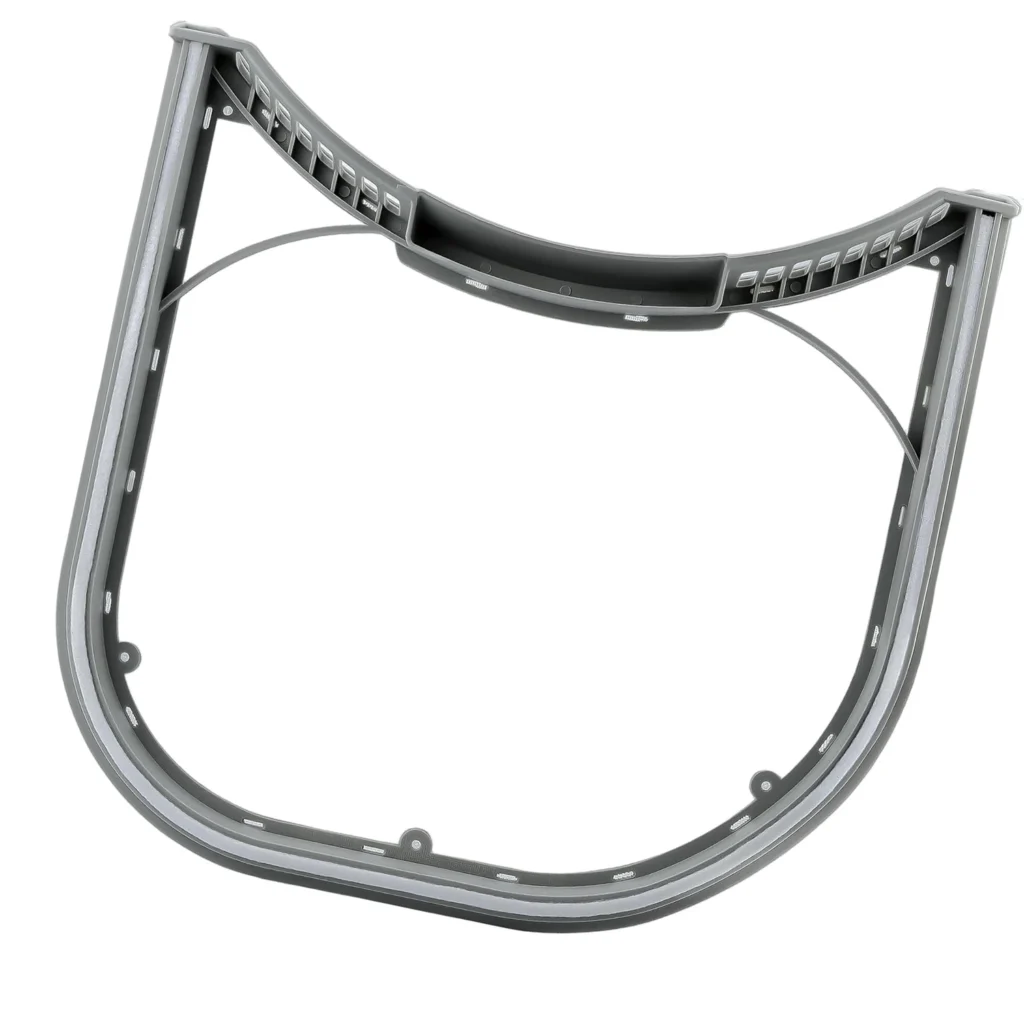
Your LG dryer's lint filter just cracked down the middle. The official LG part at the appliance store is $89, but you found an aftermarket version for $48.99. Is it the same thing in different packaging, or are you buying trouble?
I've replaced hundreds of these filters over 20 years, and the answer isn't as simple as "they're identical" or "always buy OEM." Let me show you what actually matters.
Quick Answer
For the 5231EL1003B lint filter, aftermarket parts are genuinely equivalent for 95% of users. The mesh density, frame rigidity, and dimensions match OEM specs. Unless you're filing a warranty claim on a brand-new dryer, the aftermarket route saves you $40+ without compromise.
Side-by-Side Comparison
| Factor | OEM LG (5231EL1003B) | Heima Aftermarket |
|---|---|---|
| Price | $79–$99 | $48.99 |
| Warranty | 90 days (LG parts warranty) | 1 year manufacturer defect |
| Lead Time | 3–7 days (dealer order) | Ships same/next day |
| Fit & Finish | LG logo molded in handle | Plain black handle, identical dimensions |
| Manufacturing | Korea (LG contracted factory) | ISO-certified facility, same material specs |
| Mesh Density | Fine nylon mesh, approx 120 LPI | Matching 120 LPI nylon mesh |
When OEM Makes Sense
There are three situations where I'd spend the extra money on the OEM filter:
Your dryer is under warranty. If you've got a year-old DLE5977W that's acting up, an aftermarket filter could technically void coverage. Service techs check this stuff, and it's not worth risking a $400 heating element repair over a $40 filter savings.
You're selling the house next month. Home inspectors open dryers. A branded LG filter looks more "maintained" than a plain black one, even though they function identically. Perception matters in real estate.
You've had three aftermarket filters fail. This happens maybe 1% of the time — you get a bad production batch. At that point, yeah, just buy OEM and move on with your life.
When Aftermarket Wins
For everyone else — and that's most people — the aftermarket 5231EL1003B is the smarter buy.
The savings are real. You're looking at $48.99 versus $85–95 at appliance parts stores. That's enough to cover your dryer vent cleaning or a couple months of increased energy bills if your old filter was clogged.
The part is standardized. Unlike complex electronic boards, a lint filter is injection-molded plastic with nylon mesh. The tooling to make these isn't proprietary magic — multiple manufacturers produce them to identical specs. The mesh openings, frame thickness, and slot tabs are industry-standard dimensions that LG designed to be manufacturable anywhere.
Faster availability matters. When your lint filter breaks, your dryer is unsafe to run. Lint fires are real. The OEM part might take a week to arrive at your local dealer. Aftermarket ships immediately, often arriving in 2–3 days.
Works across model ranges. This filter fits everything from the basic DLE2512W to the high-end DLEX7177WM. LG used the same filter assembly across their entire front-load dryer lineup from 2008–2018. One $49 part covers dozens of models — that's the benefit of standardized components.
Our Verdict
Buy the aftermarket 5231EL1003B unless you're still under warranty. I've installed both versions in my own rental properties, and tenants can't tell the difference. The money you save buys peace of mind knowing you've got a spare on hand when this one eventually cracks in five years.
The only quality difference you'll notice is cosmetic — no LG logo on the handle. If that bothers you, the OEM route exists. For everyone else, the aftermarket filter does the actual job: catching lint before it clogs your vent or starts a fire.
Frequently Asked Questions
Will an aftermarket lint filter void my LG dryer warranty?
Technically, no — the Magnuson-Moss Warranty Act prevents manufacturers from voiding warranties just because you used third-party parts. Realistically, if you're making a warranty claim, the service tech might give you grief about it. If your dryer is under one year old, buy OEM to avoid the headache. After that, use aftermarket without worry.
How long do these lint filters typically last?
The nylon mesh itself lasts indefinitely with proper cleaning. The plastic frame cracks from heat stress and physical handling — I see them fail around the 5–7 year mark. If you're rough pulling it in and out, or if your dryer runs crazy hot because the vent is clogged, they'll crack sooner. The aftermarket version uses the same ABS plastic as OEM, so lifespan is identical.
Can I just clean my existing filter instead of replacing it?
If the mesh is intact and the frame isn't cracked, absolutely. Wash it with hot soapy water every month to remove fabric softener residue that clogs the mesh. But if the frame is cracked or the mesh has holes, you're risking lint getting into your dryer's internal ductwork. That's a fire hazard and an expensive service call. Replace it.
Ready to go aftermarket?
5231EL1003B · Factory direct · 1-year warranty