
OEM vs Aftermarket 3390719 Thermal Fuse for Whirlpool: Honest Comparison (91°C Cut-Off)
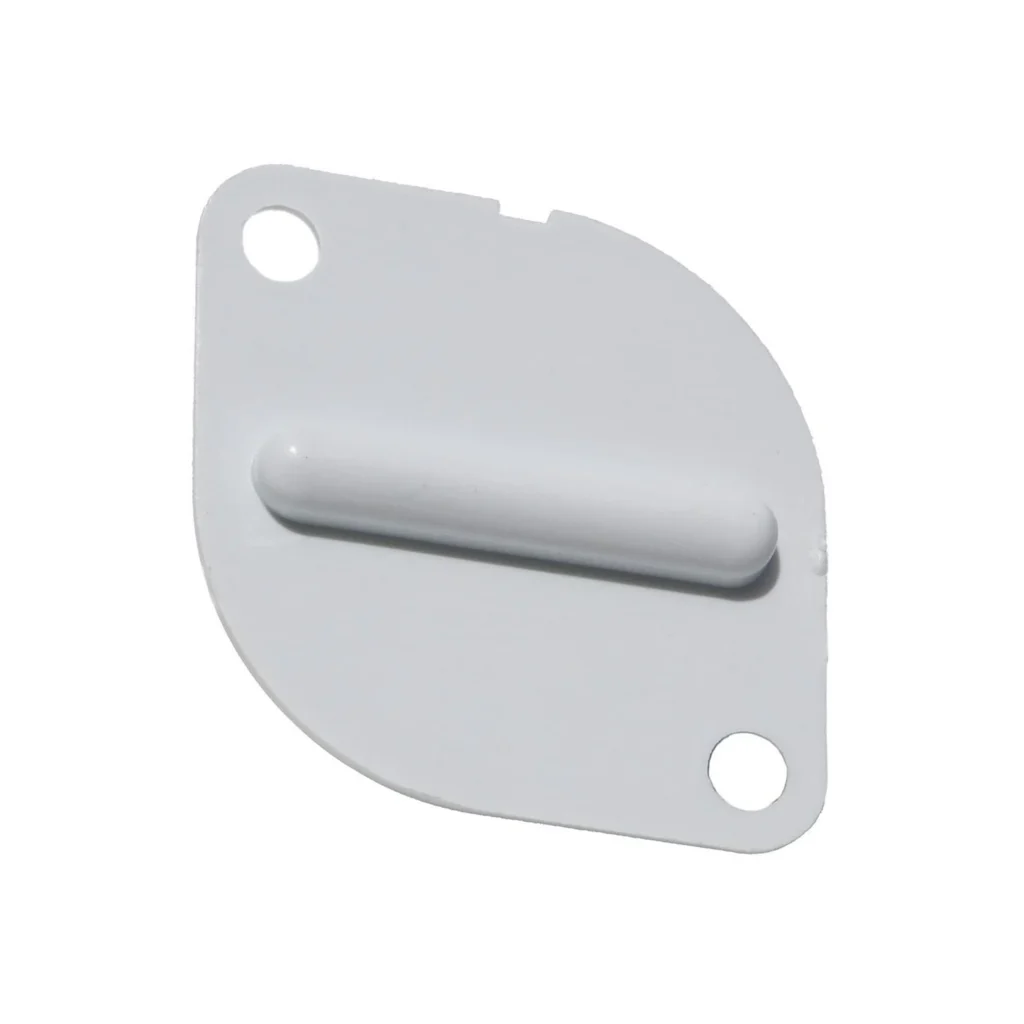
Your Maytag MED5900TW0 just stopped heating mid-cycle. You pull the back panel, test the thermal fuse with a multimeter, and yep — it's blown at 91°C like they always do. Now you're staring at two options on your screen: OEM Whirlpool part for $45–$65 with a week's wait, or the Heima aftermarket version at $19.99 with two-day shipping. Which one actually makes sense?
I've replaced hundreds of these fuses (WP3390719, AP6008309, whatever Whirlpool's calling it this year). Let me walk you through what you're really getting with each option.
Quick Answer
For a thermal fuse, aftermarket wins 95% of the time. It's the same one-time-use component that'll blow at 91°C regardless of the label stuck on it. Save your money unless you're repairing a dryer under warranty or flipping high-end appliances where buyers scrutinize every detail.
Side-by-Side Comparison
| Factor | OEM Whirlpool (WP3390719) | Heima Aftermarket (3390719) |
|---|---|---|
| Price | $45–$65 | $19.99 |
| Warranty | 90 days (dealer-dependent) | 365 days |
| Lead Time | 5–10 business days | 2–3 business days |
| Fit & Finish | White Whirlpool logo on housing | Plain housing, identical terminals |
| Manufacturing | Contract manufactured (often same factories) | Contract manufactured to OEM specs |
| Trip Temperature | 91°C ±2°C | 91°C ±2°C |
When OEM Makes Sense
There are exactly three scenarios where I'd spring for the OEM version:
Your dryer's still under manufacturer warranty. Most extended warranties require OEM parts or they'll void coverage. If you've got 18 months left on a service plan, don't give them an excuse to bail on a future compressor failure over a $20 fuse.
You're repairing to sell a high-end unit. Flipping a $1,200 Whirlpool WED8800YC1? Some buyers check everything. That little Whirlpool logo might add $50 to your asking price with the right buyer. For your own 7-year-old Kenmore? Nobody's checking.
You've already got three aftermarket failures. If you've burned through multiple aftermarket fuses in six months, something else is wrong (blocked vent, bad heating element drawing too much current), but at that point try OEM to eliminate variables while you troubleshoot the real issue.
When Aftermarket Wins
Here's the thing about thermal fuses — they're stupidly simple. A tiny pellet melts at 91°C and breaks the circuit. There's no circuit board, no moving parts, nothing to engineer better. One user who installed the Heima version said it "made it work good" — and yeah, that's exactly the point. It either works or it doesn't.
The OEM version costs 3× more because you're paying for:
- The Whirlpool logo stamped on the housing (adds zero functionality)
- Dealer markup chains (your local appliance parts store isn't selling at cost)
- Longer supply chains (they stock fewer, ship slower)
What you're not paying for is better materials. Both versions meet the same UL safety specs. Both trip at 91°C. Both fit models from WED8500BW0 to YMEDB850YG1 to 7MWGD7800XW0 with identical spade terminals.
Another customer review: "Great part." Not exactly poetry, but that's what you want from a safety component. It works, you forget about it, your dryer heats for another five years.
Installation Reality Check
Whether you buy OEM or aftermarket, you're doing the same 15–30 minute job. You'll need a Phillips screwdriver and maybe a 1/4" socket to pull the lower rear panel. The fuse is inline with the heating element — two spade connectors, no polarity, impossible to install wrong.
Test the new fuse with your multimeter before installing (should read near-zero resistance). If it's already open, you got a dud — happens with both OEM and aftermarket, though Heima's 365-day warranty vs. Whirlpool's 90 days gives you more runway.
Our Verdict
Save the $30–$45 and go aftermarket. A thermal fuse is a sacrificial safety device, not a performance part. The Heima version carries a longer warranty, ships faster, and does the exact same job. Put the savings toward fixing whatever made your fuse blow in the first place — usually a clogged vent hose that's making your dryer run 30°F hotter than it should.
Only exception: warranty repairs where OEM is contractually required. Otherwise, you're buying a brand name on a component that's designed to fail once and get replaced.
Frequently Asked Questions
Will an aftermarket thermal fuse void my Whirlpool warranty?
If your dryer's under the original manufacturer warranty (usually 1 year), using aftermarket parts might void coverage for related failures. After that warranty expires, use whatever you want — Whirlpool can't void what doesn't exist. Extended third-party warranties vary; check your contract.
Why do thermal fuses keep blowing on my dryer?
The fuse isn't the problem — it's the symptom. Check your vent hose first (90% of repeat failures). A kinked or lint-packed vent makes your dryer overheat. Also check the blower wheel for lint buildup and make sure the external vent flap opens freely. Fix the airflow, and your $20 fuse will last years.
Can I bypass the thermal fuse to test my dryer?
Technically yes, electrically no big deal. Safely? Absolutely not. That fuse is the only thing stopping your dryer from catching fire if the thermostat fails. Test your dryer by installing a new fuse — they're $20, your house is worth more. If you're burning through fuses, fix the airflow issue, don't bypass the safety.
Ready to go aftermarket?
3390719 · Factory direct · 1-year warranty