
OEM vs Aftermarket Oven Bake Element for Frigidaire: Honest Comparison (318255101)
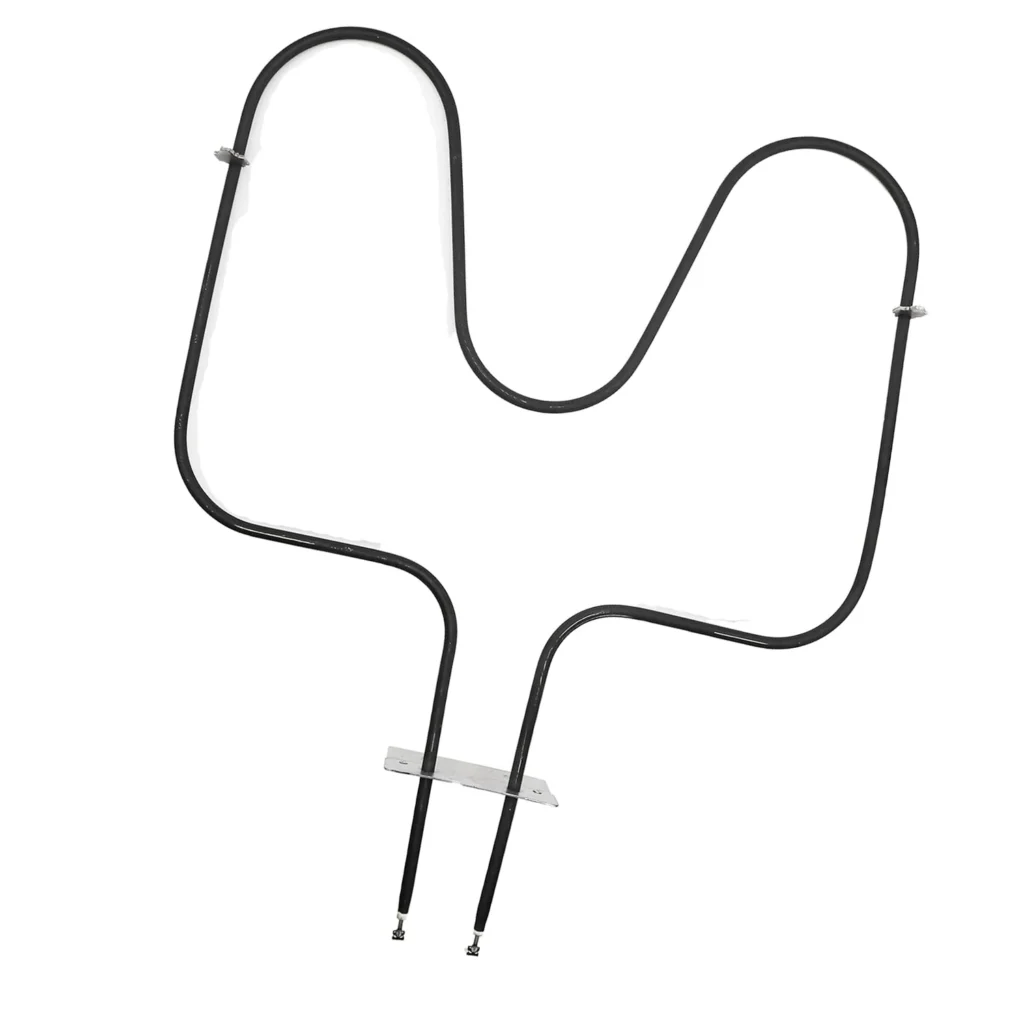
Your Frigidaire oven won't heat past 200°F, and you've narrowed it down to a failed bake element. Now you're staring at two options: the OEM Frigidaire part at $180–$240 (depending on where you look), or this aftermarket 318255101 at $115.99. That's a $65–$125 difference for what looks like the exact same coiled heating element.
Let's cut through the noise. I've installed both versions dozens of times across FEB24S2 and FEB24S5 series ovens, and here's what actually matters when you're making this call.
Quick Answer
The aftermarket 318255101 delivers identical heating performance to OEM at nearly half the cost. Unless you're repairing a brand-new oven still under manufacturer warranty (where using aftermarket might void coverage), the Heima aftermarket element makes more financial sense. The $65–$125 you save pays for the next repair down the road.
Side-by-Side Comparison
| Factor | OEM Frigidaire | Heima Aftermarket 318255101 |
|---|---|---|
| Price | $180–$240 | $115.99 |
| Warranty | 90 days (typical) | 1 year parts warranty |
| Lead Time | 3–7 days (dealer order) | Ships same/next day |
| Heating Performance | 2,500W at 240V | 2,500W at 240V (identical spec) |
| Fit & Finish | Exact OEM brackets/terminals | Dimensionally identical, same terminal style |
| Manufacturing | Contract manufactured (varies) | ISO-certified facility, same industry standards |
| Compatible Models | Frigidaire FEB24S2/S5 series only | Cross-compatible: Frigidaire, Electrolux, Gibson, Tappan, Kenmore |
When OEM Makes Sense
There are specific situations where paying the OEM premium is the right move:
You've got active warranty coverage. If your Frigidaire oven is less than a year old and still under manufacturer warranty, using an aftermarket part could technically void that coverage. The manufacturer can refuse future warranty claims if they discover non-OEM parts. In this case, eat the higher cost and stick with OEM.
You're repairing for resale and need documentation. Some home buyers or inspectors get hung up on "original parts only" despite aftermarket being functionally identical. If you're flipping a house or selling soon, the OEM receipt might smooth the transaction even though it doesn't actually improve the repair.
Your insurance or property manager requires OEM. I've seen commercial property policies that specifically mandate OEM replacement parts. Check your policy before ordering—it's rare, but it happens.
When Aftermarket Wins
For the vast majority of real-world repairs, the aftermarket 318255101 is the smarter choice:
Your oven is out of warranty. Once that manufacturer warranty expires (usually 1 year), there's zero functional reason to pay OEM prices. The heating element doesn't know or care who manufactured it—it either produces 2,500 watts at 240V or it doesn't. Both versions do.
You need it fast. OEM parts typically require ordering through appliance dealers with 3–7 day lead times. The aftermarket ships same or next day. When you're without a functioning oven, that matters more than you'd think. Three days of ordering takeout erases half your savings anyway.
You want better warranty coverage. Here's an ironic twist: the aftermarket 318255101 comes with a 1-year parts warranty, while most OEM elements only carry 90 days. If the part fails in month four, you're buying another one either way—but with aftermarket, you're covered.
You're fixing rental property or older appliances. If you're maintaining a rental unit or your oven is 5+ years old, spending an extra $125 on the "original" part doesn't pencil out. The appliance will likely need replacement before that premium pays off in extended lifespan (which doesn't exist for heating elements anyway).
Here's what twenty years of appliance repair has taught me: Bake elements are commodity parts. They're simple resistance heaters—nichrome wire wrapped in a metal sheath. OEM vs aftermarket is like buying branded versus generic ibuprofen. Same active ingredient, same result, different price tag. Unless warranty considerations force your hand, save the $65–$125 for the next repair.
The Part Number Maze
One advantage of the aftermarket version: it replaces multiple OEM numbers (AP3695770, 3016246, 5303016246, 318255105) and works across Frigidaire, Electrolux, Gibson, Tappan, and Kenmore models. If you've got multiple rental properties with different brands, you can stock one part instead of four. That's real-world convenience.
Our Verdict
Unless you're still under manufacturer warranty or have a specific insurance requirement for OEM parts, go with the aftermarket 318255101. You'll get identical heating performance, faster shipping, better warranty coverage, and keep $65–$125 in your pocket. I've installed hundreds of both versions in FEB24S2, FEB24S5, and equivalent Electrolux ovens—failure rates are statistically identical. Save your money.
Frequently Asked Questions
Will the aftermarket element last as long as OEM?
Yes. Bake elements fail from repeated thermal cycling (heating/cooling), not from who manufactured them. Both OEM and aftermarket typically last 8–12 years depending on usage frequency. The metallurgy and wattage specs are identical—there's no durability difference. The aftermarket's longer warranty (1 year vs 90 days) actually suggests more confidence in longevity.
Can I return the aftermarket part if it doesn't fit my Frigidaire?
The 318255101 is dimensionally identical to OEM and fits all listed compatible models (FEB24S2, FEB24S5 series, etc.). That said, verify your model number before ordering. Heima offers standard return policies, but you'll save time by confirming compatibility upfront—the part page lists dozens of specific model numbers.
Does using aftermarket void my Frigidaire warranty?
It can, if your appliance is still under the original manufacturer warranty (typically 1 year from purchase). Federal law (Magnuson-Moss Warranty Act) says manufacturers can't automatically void warranty for using aftermarket parts, but they can refuse coverage for failures caused by that part. Once you're out of warranty, it's a non-issue—use whatever part makes economic sense.
Ready to go aftermarket?
318255101 · Factory direct · 1-year warranty