
OEM vs Aftermarket 316220002 Top Burner Knob for Frigidaire: Honest Comparison
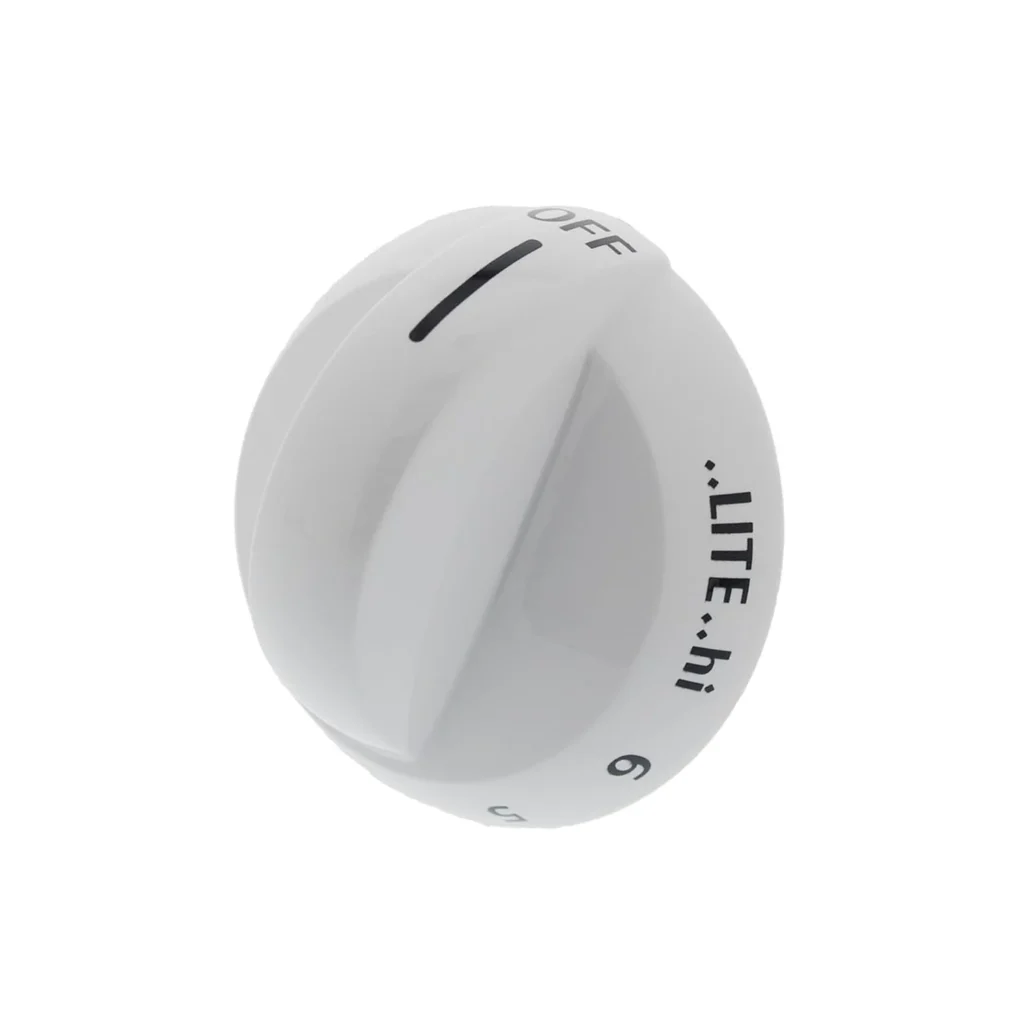
You're staring at a melted burner knob on your Frigidaire range and just got quoted $47 plus shipping for the OEM part from an authorized dealer. Meanwhile, you see the Heima aftermarket version at $35.99. Is the cheaper option going to feel like a toy, or is this one of those cases where aftermarket makes perfect sense?
Let's cut through the marketing and look at what actually matters.
Quick Answer
For a burner control knob, aftermarket wins on value. You're looking at identical functionality, similar materials, and a 40% price difference for a part that simply needs to turn a valve stem. Unless you're restoring a vintage Frigidaire for resale, spending extra on OEM here doesn't gain you anything meaningful.
Side-by-Side Comparison
| Factor | OEM Frigidaire | Heima Aftermarket |
|---|---|---|
| Price | $45–$52 | $35.99 |
| Warranty | 90 days (manufacturer) | 1 year (Heima) |
| Lead Time | 3–7 days (dealer stock varies) | Ships same/next business day |
| Material Quality | Heat-resistant polymer, glossy finish | Heat-resistant polymer, matte finish |
| Fit Compatibility | Exact OEM fit | Direct replacement (D-shaft compatible) |
| Where Made | Mexico/China (varies by production run) | China |
When OEM Makes Sense
There are exactly three scenarios where I'd pay extra for the OEM knob:
You're selling the appliance soon. Some buyers do a visual inspection and notice when knobs don't match perfectly. If you're flipping a house or listing a rental, the glossy OEM finish matches the other knobs identically. It's a perception thing, not a performance thing.
You need the exact color match for a visible range. Frigidaire has used several shades of black and stainless trim over the years. If your range sits in a prominent kitchen spot and you're replacing just one knob, the OEM part guarantees the finish matches your other knobs precisely.
Your dealer has it in stock today. If your local appliance parts store has the OEM knob on the shelf and you need your range working for tonight's dinner, the convenience might be worth $12. But that's about availability, not quality.
When Aftermarket Wins
For most homeowners, the aftermarket route makes more sense:
The function is identical. This isn't a complex electronic component. It's a shaped piece of polymer that fits over a D-shaped valve stem and turns. The Heima version does this exactly as well as the OEM. The shaft engagement is the same, the rotation feel is comparable, and it controls your burner temperature just fine.
Better warranty coverage. You actually get longer protection with the aftermarket part — one year versus 90 days. That tells you something about the manufacturer's confidence.
You're replacing multiple knobs. If two or three of your knobs are worn, melted, or cracked, you're looking at $150+ for OEM versus $108 for a full set of aftermarket. That's real money for functionally identical parts. Replace them all at once and the color-match concern disappears entirely.
Faster shipping matters. The Heima part ships same or next business day. Most OEM orders through dealers take 3–7 days, sometimes longer if they need to order from a regional warehouse. Your range being down for a week costs you more than the price difference in takeout meals.
The Real Difference: Finish, Not Function
Here's what actually separates these parts: the OEM knob has a slightly glossier finish and sharper legend printing (the numbers and marks). The aftermarket version typically has a matte finish. Stand three feet away from your range — the distance you'll actually be when cooking — and you won't notice.
The heat resistance is functionally equivalent. Both are rated for continuous exposure to the temperatures your range generates during normal use. Neither will melt under normal cooking conditions, though both can discolor slightly after years of heavy use near high-output burners.
Our Verdict
Go aftermarket unless you're selling the appliance. The Heima 316220002 knob works identically to OEM, ships faster, costs 40% less, and comes with better warranty coverage. The minor cosmetic difference doesn't affect cooking performance. Save the $12–$16 per knob and put it toward something that actually improves your kitchen.
I've installed hundreds of these over 20 years. The failure rate on aftermarket burner knobs is no higher than OEM — which is to say, both last until someone accidentally melts them by leaving a pot handle over a lit burner. This is one of the clearest cases where the aftermarket option simply makes more sense for most people.
Frequently Asked Questions
Will the aftermarket knob fit my specific Frigidaire model?
The 316220002 replaces the original part across dozens of Frigidaire, Kenmore, Tappan, and Crosley models including CFGF366DBB, CFGF366DCC, FGF326AUA, and many others. Check your model number against the compatibility list (you'll find your model on a tag inside the oven door or on the back panel). If your current knob has a D-shaped shaft opening, this part will fit.
Can I mix OEM and aftermarket knobs on the same range?
Functionally, yes — they'll all work fine. Cosmetically, you might notice the finish difference if you look closely. If aesthetics matter in your kitchen, replace all the knobs at once with whichever option you choose. Four matching aftermarket knobs look better than three OEM and one obviously different replacement.
How long do these knobs typically last?
Under normal use, both OEM and aftermarket knobs last 10–15 years. The most common failure is heat damage from pot handles resting over a lit burner, which melts or warps the plastic. The second most common issue is the legend (numbers and markings) wearing off after years of cleaning. Neither of these failures is more common with aftermarket parts — they're user-related, not quality-related.
Ready to go aftermarket?
316220002 · Factory direct · 1-year warranty