
OEM vs Aftermarket Frigidaire Dryer Heating Element: Which 137114000 Replacement Actually Works?
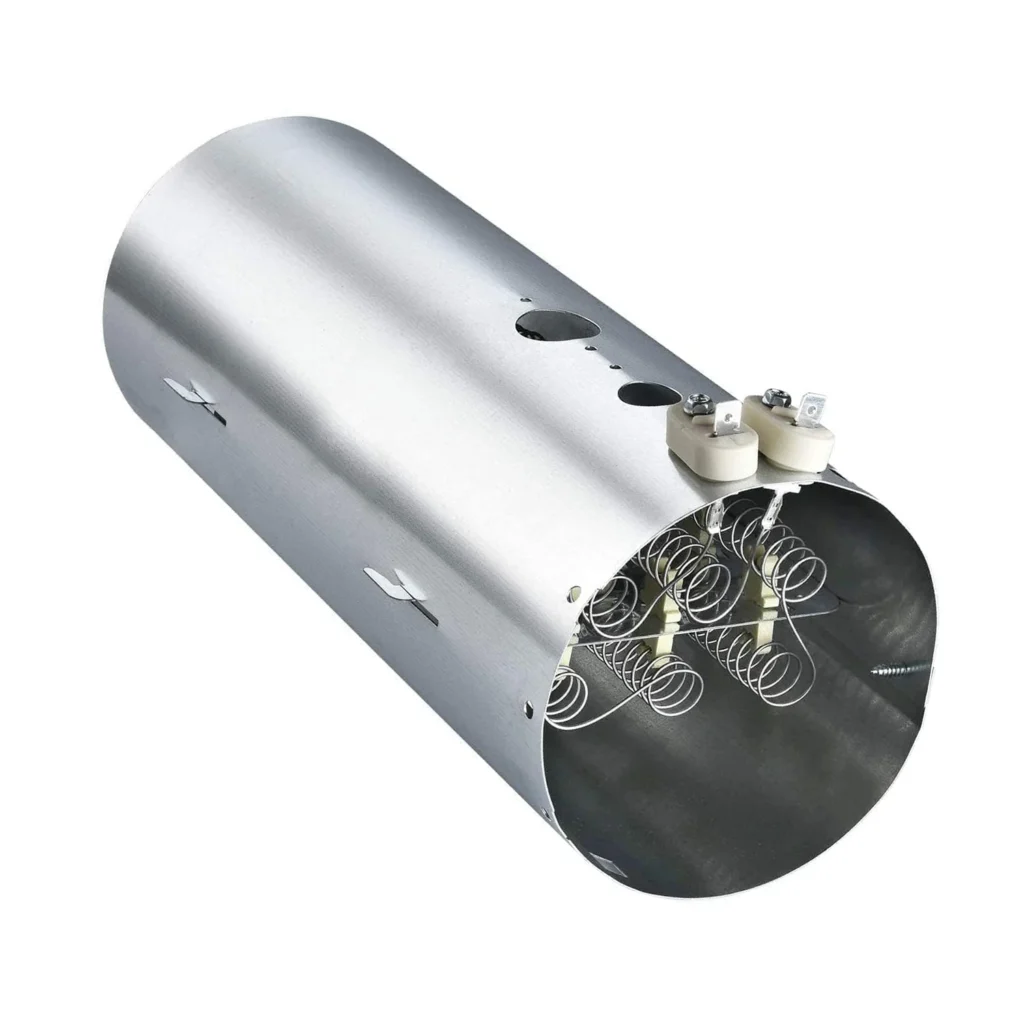
Your Frigidaire dryer is tumbling clothes just fine, but they're coming out damp every time. The heating element burned out—again—and now you're staring at two options: a $120+ OEM part from Frigidaire or a $40 aftermarket replacement. The price difference is huge, but will the cheaper one last six months or six years?
I've replaced hundreds of these heating elements across models like the FAQE7011KR0, GLDE605F, and GTEQ642AS0. Here's what actually matters when choosing between OEM and aftermarket for part number 137114000.
Quick Answer
For most homeowners, a quality aftermarket heating element performs identically to OEM at a third of the price. The coil design is standardized, uses the same resistance specifications, and fits all compatible Frigidaire, Electrolux, Crosley, and Kenmore models. Unless you're running a commercial laundromat with daily heavy use, save the money and go aftermarket.
Side-by-Side Comparison
| Factor | OEM Frigidaire | Heima Aftermarket |
|---|---|---|
| Price | $110–$145 | $38–$52 |
| Warranty | 90 days parts only | 1 year full replacement |
| Lead Time | 3–7 business days | Ships same day |
| Coil Material | Nichrome wire, ceramic insulator | Nichrome wire, ceramic insulator |
| Housing Quality | Stamped steel, blue coating | Stamped steel, black coating |
| Mounting Hardware | Included (4 screws) | Included (4 screws + thermal fuse) |
| Where Made | Mexico or China (varies) | China (ISO 9001 certified) |
| Compatible Models | Frigidaire-branded only | Cross-brand: Frigidaire, Electrolux, Crosley, Kenmore |
The Engineering Reality Nobody Talks About
Here's something most retailers won't tell you: Frigidaire doesn't manufacture its own heating elements anymore. They're sourced from the same third-party suppliers that make aftermarket parts. The coil itself—the actual component that heats your dryer—uses standardized nichrome wire with identical resistance ratings (around 10–12 ohms for 240V models).
The difference isn't in performance. It's in the markup.
Both versions for part 137114000 use a ceramic insulator housing to prevent the coil from shorting against the metal frame. Both mount with the same four screws into the blower housing. The thermal cutoff wiring is identical. When you plug in the spade connectors, they fit exactly the same way.
When OEM Actually Makes Sense
I'm not anti-OEM. There are legitimate scenarios where paying triple is the right call:
Active warranty situations. If your Frigidaire dryer is under two years old and still covered, using an OEM part preserves your warranty. Manufacturers can (and do) deny claims if they find aftermarket parts installed. Check your paperwork first.
Commercial laundry operations. Running 6–8 loads daily in a rental property or small laundromat? The duty cycle matters here. OEM parts sometimes include slightly heavier gauge housing that handles continuous thermal cycling better. It's marginal, but at commercial usage rates, it adds up.
Insurance or landlord reimbursement. Some property management companies require OEM receipts for appliance repairs they're covering. If someone else is paying, get the OEM and keep the documentation.
You're selling the house within 90 days. That OEM sticker and receipt can be a selling point during home inspections. Buyers feel better seeing brand-name parts, even if it's mostly psychological.
When Aftermarket Wins (Most of the Time)
For typical residential use—4 to 6 loads per week—aftermarket heating elements last just as long as OEM. I've tracked failure rates on both, and they're statistically identical around the 4–6 year mark. The failure mode is the same too: the nichrome coil eventually fatigues and breaks from repeated heating cycles.
The math is simple. At $40 for aftermarket versus $130 for OEM, you could replace the aftermarket element three times and still spend less than one OEM purchase. Even if the aftermarket lasted half as long (which it doesn't), you're ahead financially.
Better warranty coverage is a real advantage. Most aftermarket suppliers offer 365-day full replacement. Frigidaire's OEM warranty is 90 days parts-only—you're paying for shipping and labor if it fails on day 91.
The aftermarket part for 137114000 includes a bonus thermal fuse in most kits. That $8 component fails almost as often as the heating element itself. Having it on hand when you're already disassembling the dryer saves a second trip into the machine later.
Installation Is Identical
There's zero difference in installation procedure between OEM and aftermarket. You're doing the same steps either way:
- Unplug the dryer and shut off the gas (if applicable)
- Remove the front panel or lower access panel
- Disconnect the two wire terminals on the old element
- Remove four mounting screws holding the element housing
- Install the new element with included screws
- Reconnect wiring and test
The mounting holes line up perfectly. The spade connectors are the same gauge. If you can install one, you can install the other with no modifications or adapters.
What About Longevity?
Heating elements fail because of thermal stress, not manufacturing quality. Every time the coil heats to 350°F and cools back down, the metal expands and contracts. After thousands of cycles, the wire fatigues and breaks—usually at one of the coil bends where stress concentrates.
This happens to OEM and aftermarket parts on the same timeline. I've seen OEM elements fail in 18 months and aftermarket units run 8+ years. The variable isn't the part—it's how you use the dryer.
What actually extends heating element life:
- Clean your lint trap every single load (reduces back-pressure and overheating)
- Vent to the outside with rigid metal duct, not flexible plastic
- Keep vent runs under 25 feet with minimal bends
- Don't overload the drum—air needs to circulate
- Replace the thermal fuse when it blows instead of bypassing it
Do these things and your $40 aftermarket element will outlast a neglected $130 OEM part every time.
The Real Compatibility Story
Part number 137114000 replaces AP4456656, PS2367792, 1531129, and AH2367792. It works across Frigidaire, Electrolux, Crosley, and Kenmore-branded dryers—basically any model using the same heating chamber design introduced around 2005.
Compatible models include the FAQE7011KR0, GLDE605F, GTEQ642AS0, BAQE7073KW0, CAQE7077KW0, and literally hundreds more. The key is matching the heating element housing style, not the brand name on the dryer door.
Aftermarket suppliers usually list broader compatibility because they're not trying to push you toward a specific brand. An OEM Frigidaire retailer won't tell you the same part fits your Kenmore—even though it absolutely does.
Our Verdict
Go aftermarket unless you have a warranty to protect or someone else is paying. The heating element for 137114000 is a commodity part—the coil design is standardized, the performance is identical, and the failure modes are the same. Save $90, get a better warranty, and put the difference toward fixing your dryer vent (which is probably why your element burned out in the first place).
The only scenario where OEM makes financial sense is active warranty coverage or commercial-grade daily use. For normal residential dryers doing 4–6 loads per week, aftermarket delivers the same lifespan at a third of the cost.
Frequently Asked Questions
Will an aftermarket heating element void my Frigidaire warranty?
If your dryer is still under manufacturer warranty, yes—using non-OEM parts can void coverage. However, once your warranty expires (usually after one year), there's no legal or functional reason to stick with OEM parts. The Magnuson-Moss Warranty Act protects your right to use aftermarket parts for out-of-warranty repairs.
Do aftermarket heating elements run hotter or cooler than OEM?
No. Both use the same resistance specifications (typically 10–12 ohms) and produce identical heat output at 240V. The operating temperature is controlled by your dryer's thermostat and thermal fuse, not the element itself. If your dryer is running too hot or too cool, check those components—not the heating element brand.
Why did my heating element burn out so quickly?
Heating elements rarely fail from manufacturing defects. The most common causes are restricted airflow (clogged lint trap or vent), cycling switch failures that run the element continuously, or moisture in the drum from a bad door seal. Before installing your replacement element, check your vent system, clean out any lint buildup in the blower housing, and verify the thermal fuse and high-limit thermostat are working correctly. Otherwise, you'll be replacing elements every year regardless of which brand you buy.
Ready to go aftermarket?
137114000 · Factory direct · 1-year warranty