
OEM vs Aftermarket Microwave Magnetron for GE: Honest Comparison (WB26X23320)
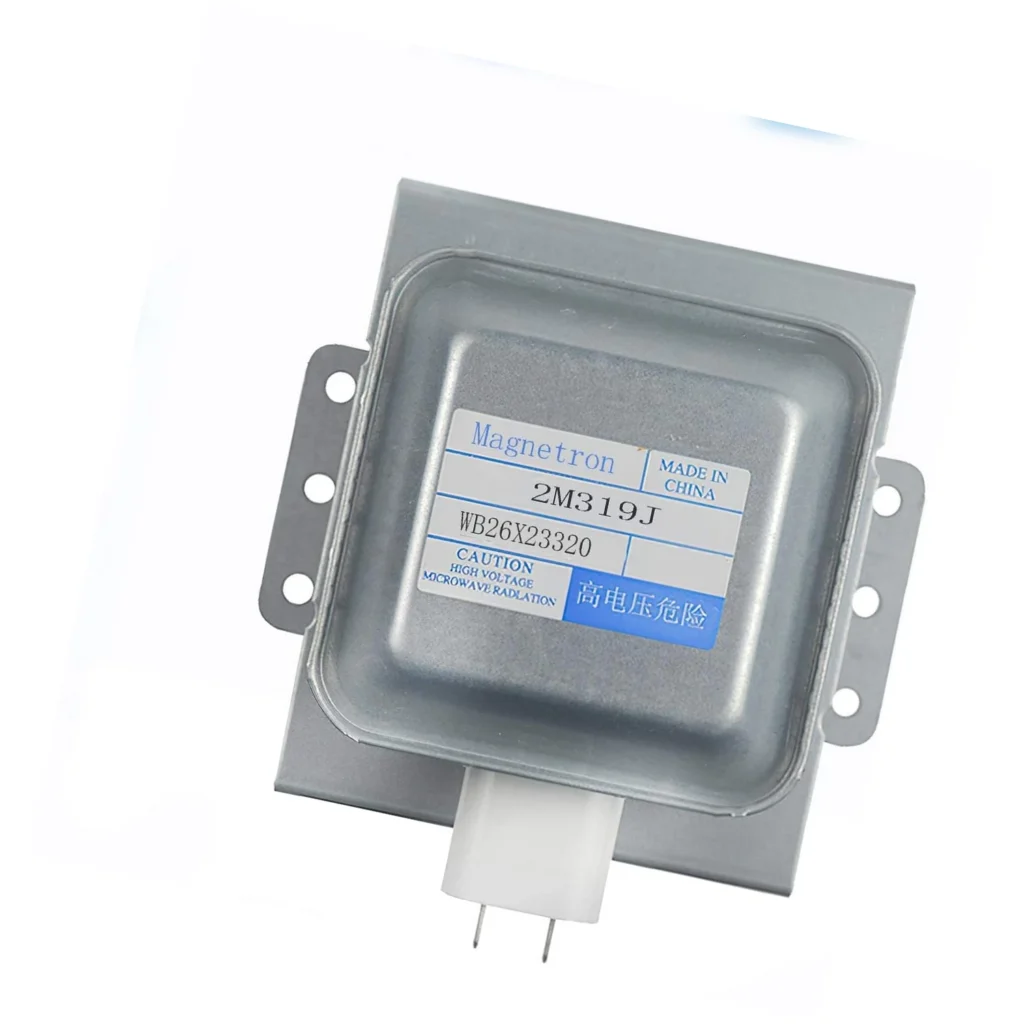
Your GE microwave hums but won't heat. You've narrowed it down to a dead magnetron. Now you're staring at two price tags: $450+ for the OEM GE part through authorized dealers, or $236.99 for a compatible aftermarket unit. That's a $200+ difference for what looks like the exact same component.
Let's cut through the marketing and look at what you're actually getting with each option.
Quick Answer
For most home repairs, the aftermarket magnetron delivers identical performance at half the cost. OEM makes sense only if you're under warranty or repairing a commercial unit where documentation matters. The magnetron tube itself is manufactured by the same handful of suppliers worldwide — you're mainly paying for the brand stamp.
Side-by-Side Comparison
| Factor | OEM GE (WB26X23320) | Heima Aftermarket |
|---|---|---|
| Price | $450–$550 | $236.99 |
| Warranty | 90 days parts only | 1 year full replacement |
| Lead Time | 3–10 business days | Ships same/next day |
| Fit & Finish | GE packaging, OEM box | Generic packaging, identical specs |
| Manufacturing | Contract manufacturer (China/Mexico) | Same factories, different label |
| Compatible Models | Listed by GE | AVM4160DF series, JNM3161DF1BB, JVM3160DF series, CEB1590SJ1SS, 50+ models |
When OEM Makes Sense
You're still under manufacturer warranty. If your microwave is less than a year old and covered, GE will only honor claims with OEM parts. Using aftermarket voids that coverage immediately.
Commercial or rental property documentation. Property managers sometimes require OEM parts for insurance or liability reasons. If you're maintaining a fleet of units, that paper trail might matter.
You need the original box for resale. Flipping a high-end appliance? Some buyers expect to see OEM packaging on replaced components. It's perception, not performance, but it can affect resale value.
Authorized repair shop requirements. If you're paying someone else to install it, some GE-authorized shops won't touch aftermarket parts due to their service agreements with the manufacturer.
When Aftermarket Wins
You're paying out of pocket. Once you're past warranty, there's zero functional advantage to spending double. The magnetron tube — the actual component that generates microwaves — comes from the same industrial suppliers whether it's got a GE sticker or not.
You need it fast. OEM parts often ship from regional warehouses with 3-7 day delays. Aftermarket suppliers like Heima stock high-demand parts and ship immediately. Your food's thawing in the fridge right now — waiting a week isn't realistic.
You want better warranty coverage. Here's the ironic part: the aftermarket unit includes a full year replacement warranty versus GE's 90-day parts-only coverage. If something fails, you're better protected with the "cheaper" option.
You're fixing an older unit. For microwaves like the JVM3160DF series or JNM3161 models that are 5+ years old, the OEM vs aftermarket debate is academic. You're already out of warranty, the appliance has depreciated, and dumping $500 into it makes no financial sense when the aftermarket part does the same job.
The Manufacturing Reality Nobody Mentions
GE doesn't manufacture magnetrons in-house. Neither does Samsung, LG, or Whirlpool. There are roughly five major magnetron tube manufacturers globally, and they supply everyone. The difference between "OEM" and "aftermarket" is often just which warehouse it ships from and whose logo gets stamped on the mounting bracket.
The actual tube — the waveguide, the antenna, the cooling fins — those are functionally identical. You're paying a premium for brand authentication, not superior engineering.
Our Verdict
Unless you're under active warranty or have specific commercial documentation requirements, the aftermarket magnetron is the smarter buy. You save $200+, get it faster, and receive better warranty protection. The part works identically because it's built to the same electrical specifications. Save the money and put it toward your next appliance upgrade.
Frequently Asked Questions
Will an aftermarket magnetron last as long as OEM?
Yes. Magnetron lifespan depends on usage patterns and voltage stability, not the brand label. Both versions use the same grade of materials and are rated for 2,000–3,000 operating hours. Failure rates are statistically identical.
Can I install this myself or do I need a technician?
Magnetron replacement requires discharging the high-voltage capacitor, which can hold a lethal charge even when unplugged. If you're comfortable working with high-voltage components and have proper safety training, it's doable. Otherwise, hire a tech — the part cost savings still make it worthwhile even with labor added.
What if the aftermarket part doesn't fit my exact model?
Cross-reference your model number against the compatibility list. The WB26X23320 replaces multiple GE part numbers (AP6040604, WB27X11211) and fits dozens of JVM, JNM, AVM, and CEB series models. If your model's listed, it's a direct fit. If you're unsure, contact Heima support before ordering — they verify compatibility before shipping.
Ready to go aftermarket?
WB26X23320 · Factory direct · 1-year warranty