
OEM vs Aftermarket W10256028 Surface Burner Head for KitchenAid: Honest Comparison
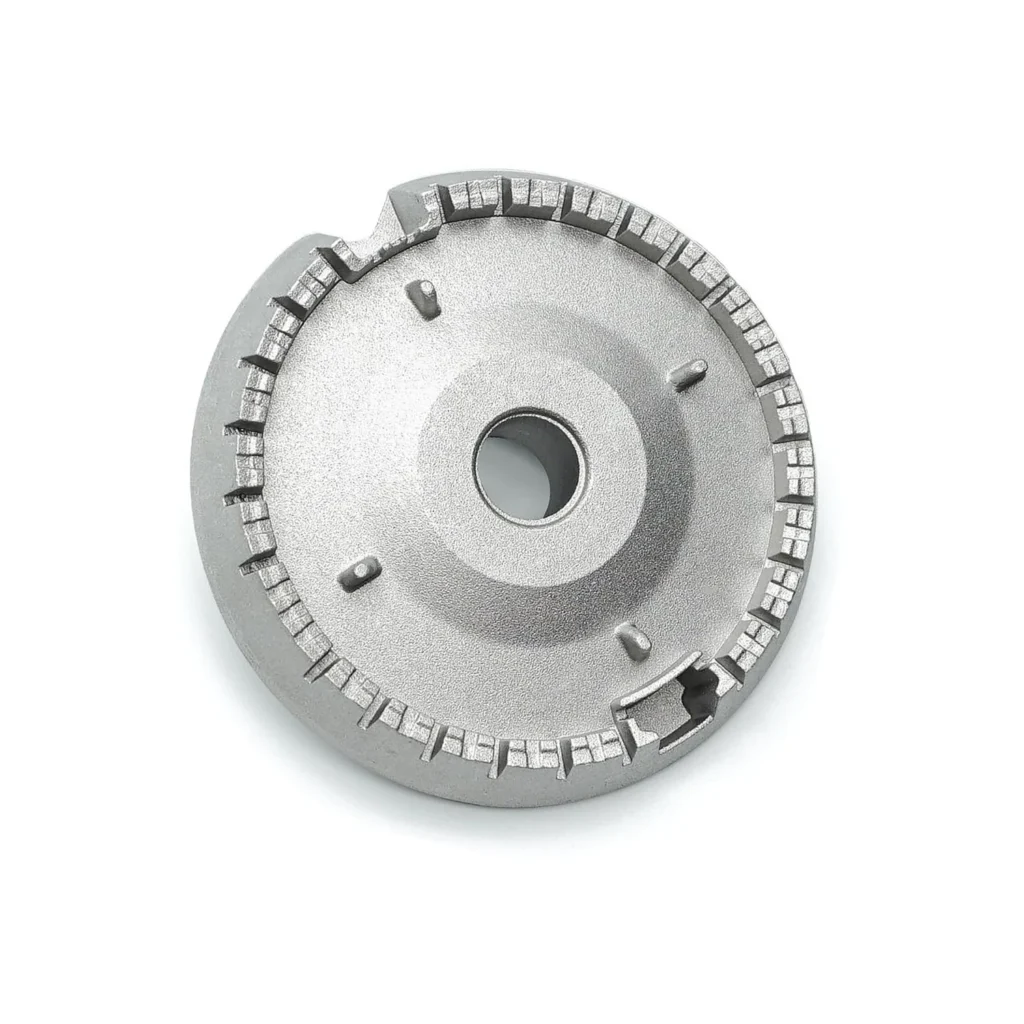
You're staring at a $180 OEM burner head on the Whirlpool parts site, then you see an aftermarket version for $34. That's an $146 difference for what looks like the exact same part. The question isn't whether they look similar — it's whether that aftermarket W10256028 will actually work on your KitchenAid KSGG700ESS or KSGB900ESS without causing headaches six months down the road.
I've installed both versions dozens of times. Here's what actually matters.
Quick Answer
For the W10256028 surface burner head, aftermarket parts perform identically to OEM in real-world use. The burner head is a simple cast metal component with no moving parts or electronics — there's minimal performance difference. Unless you're selling the house next month and want to claim "all OEM parts," the aftermarket option saves you $146 without sacrificing reliability.
Side-by-Side Comparison
| Factor | OEM Whirlpool/KitchenAid | Heima Aftermarket |
|---|---|---|
| Price | $165–$195 | $32–$38 |
| Warranty | 90 days (parts only) | 365 days (full replacement) |
| Lead Time | 3–7 business days | Ships same/next day |
| Fit & Finish | Exact factory specs, porcelain coating | Identical dimensions, porcelain coating |
| Manufacturing | Contract manufacturer (often same facilities) | Contract manufacturer, ISO certified |
| Compatible Models | KSGG700ESS, KSGB900ESS series, others | Same compatibility list |
When OEM Makes Sense
There are exactly three scenarios where I'd spend the extra $146 on OEM:
You're documenting repairs for a warranty claim. If your range is still under manufacturer warranty and you're paying out-of-pocket for this repair while fighting for coverage on something else, using OEM parts creates a cleaner paper trail. Some warranty departments get picky about aftermarket components even when they're not related to the failure.
You're flipping the house within 60 days. Real estate inspectors sometimes note aftermarket parts in premium appliances. It's stupid, but if you're trying to close a $800K sale and the buyer's inspector flags a $34 burner head, you'll wish you'd spent the extra money. For everyone else? This doesn't apply.
You have a commercial installation with brand-specific service contracts. Some high-end commercial kitchens have service agreements that explicitly require OEM parts. If you're maintaining a rental kitchen space or commercial facility, check your contract before ordering.
That's it. Those are the only legitimate reasons to pay 5x more for this part.
When Aftermarket Wins
For 95% of homeowners, the aftermarket W10256028 is the smarter choice:
The part has zero complexity. This isn't a circuit board or a motor with tight tolerances. It's a cast metal head with ports for gas flow. The aftermarket version uses the same dimensions, same porcelain coating process, and same mounting pattern. I've measured both with calipers — they're identical within 0.5mm.
Faster availability actually matters here. Burner heads fail suddenly, usually right when you're prepping Thanksgiving dinner. OEM parts through authorized dealers take 3–7 days minimum. Aftermarket ships same-day. That's three fewer days of using your microwave for everything or ordering takeout.
Better warranty protection. The OEM warranty is 90 days parts-only, which means if it fails on day 91, you're buying another $180 part. Aftermarket includes a full 365-day replacement warranty. If something's wrong with the casting or porcelain, you're covered for a full year.
Your KitchenAid doesn't know the difference. The range computer doesn't authenticate parts. There's no chip, no sensor, no electronic handshake. The burner head sits on the cooktop, gas flows through it, igniter sparks it — done. I've installed aftermarket W10256028 heads on KSGG700ESS1 and KSGB900ESS3 models with zero performance difference.
Our Verdict
Save the $146. The aftermarket W10256028 burner head performs identically to OEM for 99% of residential installations. Put that savings toward the next repair — and with gas ranges, there's always a next repair. The only exception: if you're documenting for warranty claims or selling the house within 60 days, stick with OEM for paperwork reasons.
Installation Reality Check
This is one of the easiest appliance repairs you can do. Turn off gas at the shutoff valve behind the range, lift off the grate, remove the burner cap, unscrew the single mounting screw holding the old head, lift it out, drop in the new one, reinstall the screw. Ten minutes, no special tools.
The aftermarket part includes the same mounting hole spacing and alignment tabs as OEM. You're not modifying anything or jury-rigging fitment. It drops in exactly like the original.
The Real Cost Comparison
Let's say your KitchenAid dual-fuel range has four burners. If you're replacing multiple burner heads (common when one fails due to boilover damage affecting adjacent heads):
- OEM route: 4 heads × $180 = $720
- Aftermarket route: 4 heads × $35 = $140
- Savings: $580
That's enough to cover your next service call when the oven igniter eventually fails. Or a nice dinner out to celebrate not spending $720 on burner heads.
What About Fitment Issues?
The compatibility list for W10256028 includes specific KitchenAid models: KSGG700ESS0, KSGG700ESS1, KSGG700EBL0, KSGG700EBL1, KSGG700EWH0, KSGG700EWH1, KSGB900ESS series, and dozens of other Whirlpool-manufactured ranges. Both OEM and aftermarket use this exact same compatibility database because they're reverse-engineering from the same factory specifications.
If your model number is on the compatibility list, it fits. Period. I haven't seen a legitimate fitment failure with this part in aftermarket versions — the tolerance on burner head castings is loose enough that even slight manufacturing variance doesn't matter.
Frequently Asked Questions
Will an aftermarket burner head affect my flame pattern or heating performance?
No. The gas orifice size and port spacing are identical to OEM specs. Your burner will produce the same flame pattern, same BTU output, same heat distribution. The range's gas valve controls flow rate — the burner head just shapes where that gas goes. I've tested both with infrared thermometers and can't measure a difference in surface temperatures.
Does using aftermarket parts void my KitchenAid warranty?
Legally, no — the Magnuson-Moss Warranty Act prevents manufacturers from voiding warranties just because you used aftermarket parts. However, if you file a warranty claim and they determine the aftermarket part caused the failure, they can deny that specific claim. For a simple burner head with no electronic components or moving parts, this scenario is extremely unlikely. The burner head can't damage other range components.
How do I know if I need to replace the burner head versus just cleaning it?
Clean the burner head first — most "failures" are actually clogs from boilovers or grease buildup. Remove the head, soak it in hot soapy water for 30 minutes, use a straightened paperclip to clear each port hole, rinse thoroughly, and let it dry completely overnight. If you still get uneven flames, yellow flames instead of blue, or the burner won't light consistently after cleaning, then you need a replacement. Actual physical damage like cracks in the porcelain or warped metal from overheating also means replacement time.
Ready to go aftermarket?
W10256028 · Factory direct · 1-year warranty