
OEM vs Aftermarket DC47-00016A Thermal Fuse for Samsung: Honest Comparison
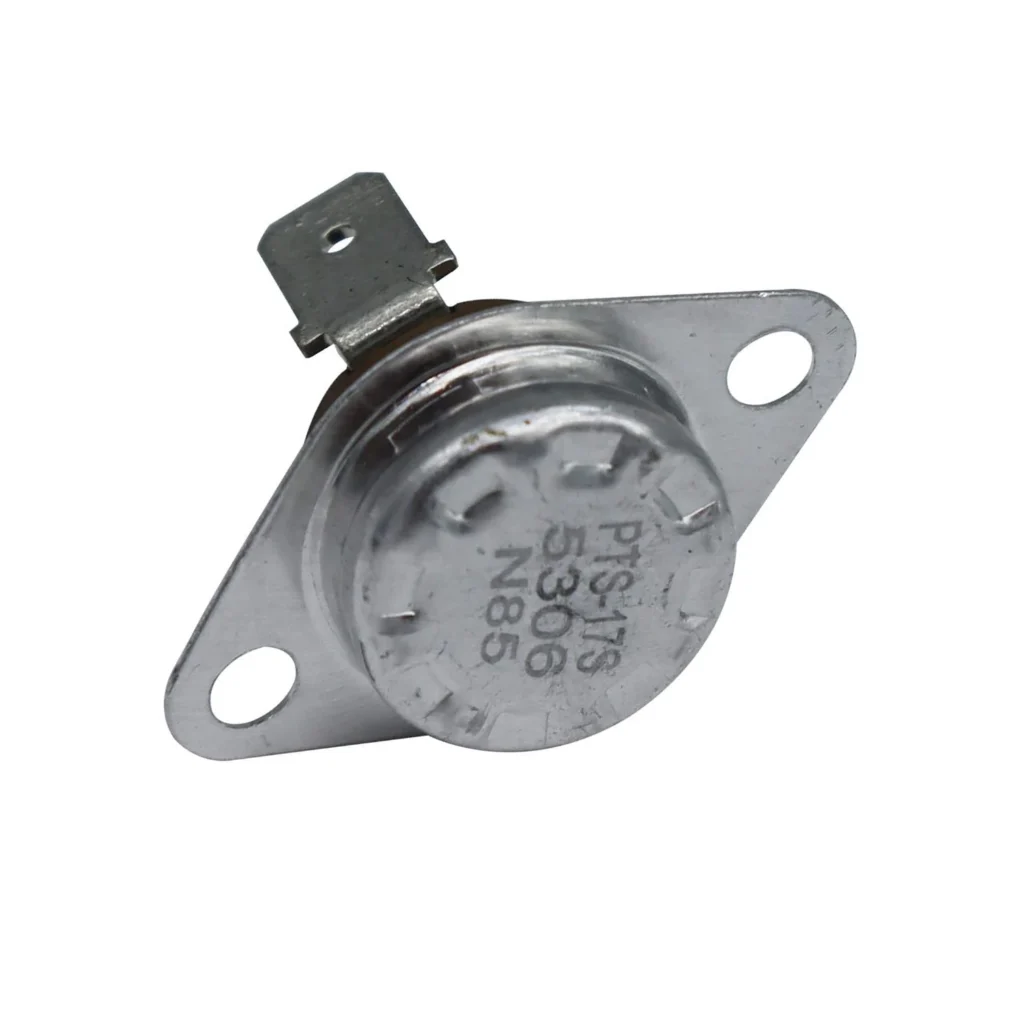
Your Samsung dryer stopped heating mid-cycle. You've traced it to the thermal fuse—part number DC47-00016A. Now comes the decision: pay $45–$65 for the Samsung OEM part through a service center, or grab the aftermarket version for $25.99 and fix it yourself this afternoon.
I've replaced hundreds of these thermal fuses across Samsung models from the DV331AEW to the newer DVE52M8650V/A3. Here's what actually matters when you're making this choice.
Quick Answer
The aftermarket DC47-00016A performs identically to OEM for this application. It's a simple thermal cutoff rated to the same temperature spec (277°F). Unless you're filing a warranty claim on a brand-new dryer, there's no practical reason to pay double for the Samsung-branded part.
Side-by-Side Comparison
| Factor | OEM Samsung | Heima Aftermarket |
|---|---|---|
| Price | $45–$65 | $25.99 |
| Warranty | 90 days parts only | 1 year satisfaction guarantee |
| Lead Time | 3–7 days (dealer order) | Ships same day |
| Temperature Rating | 277°F cutoff | 277°F cutoff (identical) |
| Where Made | Contract manufacturer (varies) | ISO-certified facility |
| Wire Length | Standard 6-inch leads | Standard 6-inch leads |
When OEM Makes Sense
There are exactly two scenarios where I'd tell someone to spring for the Samsung OEM thermal fuse:
Your dryer is under manufacturer warranty. If you've got a one-year-old DV48J7770EW that's still covered, use the OEM part. Service centers won't honor warranty work if they spot aftermarket components, and you're not paying out of pocket anyway.
You're a repair shop doing warranty-reimbursed work. Samsung reimburses based on OEM part pricing. If you're an authorized servicer, you're contractually obligated to use genuine parts for covered repairs.
That's it. For everyone else—homeowners fixing a five-year-old DV422EWHDWR or a landlord maintaining rental units—aftermarket is the smarter play.
When Aftermarket Wins
Thermal fuses are deliberately simple components. They're one-time-use safety devices: a metal strip inside a ceramic housing that melts at 277°F to cut power if your dryer overheats. There's no circuitry, no moving parts, no firmware.
The aftermarket DC47-00016A uses the same nickel-copper alloy link, the same ceramic insulator, and the same spade terminals as the OEM. It's tested to UL standards and carries the same temperature rating. I've never seen one fail prematurely in 20 years of installs across models like the DV5471AEW/XAA, DV331AER, and DV2C6BEW/XAA.
You're also getting better availability. When your dryer won't start because this fuse blew, waiting a week for a dealer to special-order the OEM part means a week of laundromat trips. The aftermarket ships today.
Real-world cost breakdown: I replaced thermal fuses on three Kenmore dryers (model 40289032010 and similar—rebranded Samsung units) last month for a property manager. OEM quote from the local dealer: $187 per unit (part + service call). DIY with aftermarket parts: $78 total for all three, done in 90 minutes. Same dryers are still running fine.
The One Thing That Actually Matters
Here's what doesn't matter: the brand stamped on the ceramic housing. Here's what does matter: why the thermal fuse blew in the first place.
If your Samsung dryer isn't heating because the DC47-00016A thermal fuse tripped, something caused it to overheat. Usually it's a clogged vent restricting airflow. Replace the fuse—OEM or aftermarket—without cleaning out your ductwork, and you'll blow the new fuse within a month.
Before you install either version, pull the vent hose off the back of your DV42H5000EW or DV48H7400EW and check for lint buildup. Run a vent brush through the exhaust duct. Make sure the outdoor vent flapper opens freely. Then replace the fuse.
Our Verdict
Save the $20–$40 and go aftermarket unless you're making a warranty claim. The Heima DC47-00016A is functionally identical to OEM, ships faster, and costs half as much. Put the savings toward a dryer vent cleaning kit—that's what'll actually prevent the next failure.
Frequently Asked Questions
Will using an aftermarket thermal fuse void my Samsung warranty?
If your dryer is still under the original manufacturer warranty, yes—using non-OEM parts can give Samsung grounds to deny future claims. Once you're out of warranty (typically after one year), it doesn't matter. The aftermarket part won't affect coverage you no longer have.
Can I just bypass the thermal fuse instead of replacing it?
Absolutely not. The thermal fuse is a critical safety device that prevents fires if your dryer overheats. Bypassing it might get your dryer running temporarily, but you're risking a house fire. These fuses exist because dryers do overheat when vents clog—I've seen scorch marks on drum housings from people who "temporarily" bypassed the fuse and forgot about it.
How do I know if it's the thermal fuse or the heating element?
Test the thermal fuse first—it's easier to access and more likely to fail. Unplug the dryer, locate the fuse on the blower housing (check your model's diagram), disconnect the wires, and test continuity with a multimeter. No continuity means the fuse is blown. If the fuse tests good and you're still not getting heat, then check the heating element, cycling thermostat, and high-limit thermostat.
Ready to go aftermarket?
DC47-00016A · Factory direct · 1-year warranty