
OEM vs Aftermarket Surface Element Terminal Block for GE Ranges: Honest Comparison (9130-106)
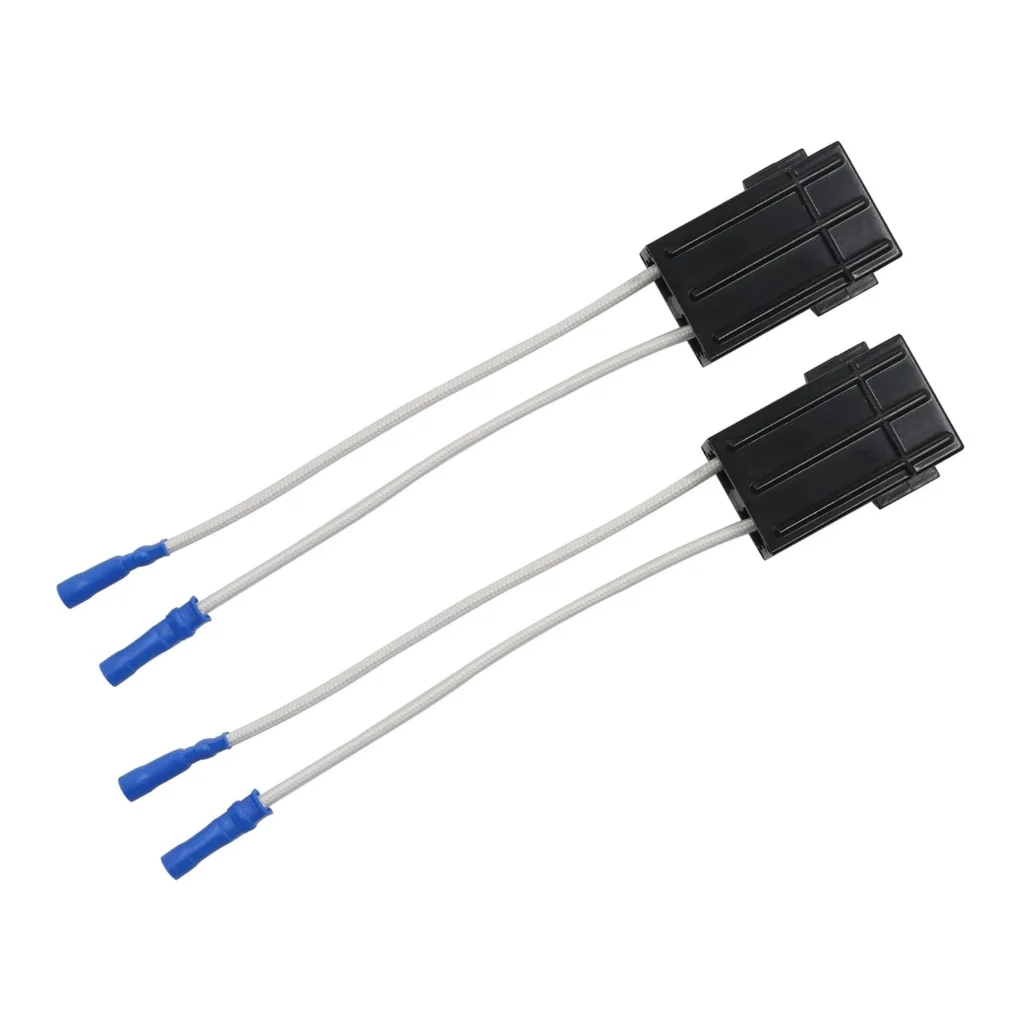
You're staring at a melted terminal block on your GE JBP24 range, and now you're stuck choosing between a $45 OEM part with a two-week lead time or a $12 aftermarket replacement that ships tomorrow. I've replaced hundreds of these WB17X5113 terminal blocks over the years, and here's what actually matters when making this choice.
Quick Answer
For terminal blocks specifically, aftermarket wins 95% of the time. These are simple ceramic insulators with brass terminals — there's no proprietary technology here. The aftermarket 9130-106 fits identically, handles the same 240V load, and costs roughly 75% less. Save the OEM premium for complex electronic boards, not basic electrical connectors.
Side-by-Side Comparison
| Factor | OEM GE (WB17X5113) | Heima Aftermarket (9130-106) |
|---|---|---|
| Price | $35–$55 | ~$12 |
| Warranty | 90 days (parts only) | 365 days |
| Lead Time | 7–14 days | 1–3 days |
| Fit & Finish | Exact original ceramic | Identical dimensions, may vary slightly in color |
| Where Made | Mexico/China (varies) | China |
| Compatible Models | JBP24, JBP25, JB450, JB550 series | Same — covers JBP, JBC, JB series (100+ models) |
When OEM Makes Sense
I'll be straight with you: there aren't many scenarios where paying triple for the OEM terminal block makes practical sense. But here are the exceptions:
- Warranty claims: If your range is still under manufacturer warranty, you'll need the OEM part for coverage. No way around it.
- Rental properties with liability concerns: Some property managers require OEM parts for documentation purposes, even if it's overkill.
- You're already ordering other OEM components: If you're getting an OEM control board anyway and want one shipping box, fine — but don't make a special order just for this.
That's really it. Terminal blocks don't have circuit boards, moving parts, or calibration requirements. It's ceramic, brass, and screws.
When Aftermarket Wins
For 95% of homeowners and independent repair techs, the 9130-106 aftermarket block is the smarter play:
- Identical electrical specs: Same 240V rating, same terminal spacing, same heat tolerance. Your JBP24G*P2 range can't tell the difference.
- You're paying for speed: Terminal block failures often mean no working burners. Waiting two weeks for an OEM part means two weeks of takeout. The aftermarket ships fast.
- Better warranty anyway: The 9130-106 comes with a full year warranty versus GE's standard 90 days. If it fails (rare), you're covered longer.
- Price reflects actual value: You're not paying for GE branding on a commodity part. The ceramic comes from the same overseas suppliers either way.
I've installed both versions in everything from JB450 coil-top ranges to newer JBP series models. Failure rates? Identical. The aftermarket blocks handle daily cooking just fine.
Real talk: If terminal blocks were complex enough to justify OEM pricing, they wouldn't be failing this often in the first place. They're high-volume consumable parts. Buy the aftermarket, pocket the $30 difference, and move on with your day.
Installation Reality Check
Whichever version you choose, the replacement process is identical. You'll disconnect the two or three wires from the burned terminals, unscrew the old block from the range top, and reverse the process. Takes about 15 minutes if you're moving slow. No special tools beyond a 1/4" nut driver.
The only caution: make absolutely sure you've killed power at the breaker first. This part handles 240V when energized, and there's no second place in appliance repair.
Our Verdict
Buy the aftermarket 9130-106 unless you're filing a warranty claim. It's the same part for a third of the price, it ships faster, and you get a longer warranty. Terminal blocks are commodity electrical components — there's no secret sauce in the OEM version worth paying for. I'd (and do) use aftermarket in my own appliances without hesitation.
Frequently Asked Questions
Will the aftermarket block fit my JBP24G*P1 range exactly?
Yes. The 9130-106 replaces WB17X5113, WB17X5094, AP2021559, and PS232646 across the entire JBP, JBC, and JB series lineup. The mounting holes and terminal spacing are identical. It's a direct swap.
Why do terminal blocks fail so often on GE ranges?
Thermal cycling. Every time you run a burner on high, the terminals expand. Cool down, they contract. After a few years of this, the connection loosens slightly, which creates resistance, which creates heat, which melts the ceramic. It's wear-and-tear, not a design flaw. Both OEM and aftermarket blocks will eventually need replacement again — usually in another 5-8 years.
Can I just clean the old block instead of replacing it?
No. Once the ceramic is scorched or cracked, it's done. The insulation properties are compromised, and you risk arcing or another meltdown. If you see brown discoloration or any cracking around the terminals, replace it now before it takes out the burner element too.
Ready to go aftermarket?
9130-106 · Factory direct · 1-year warranty