
OEM vs Aftermarket Lid Lock Switch for GE Washer: Honest Comparison (WH01X27954)
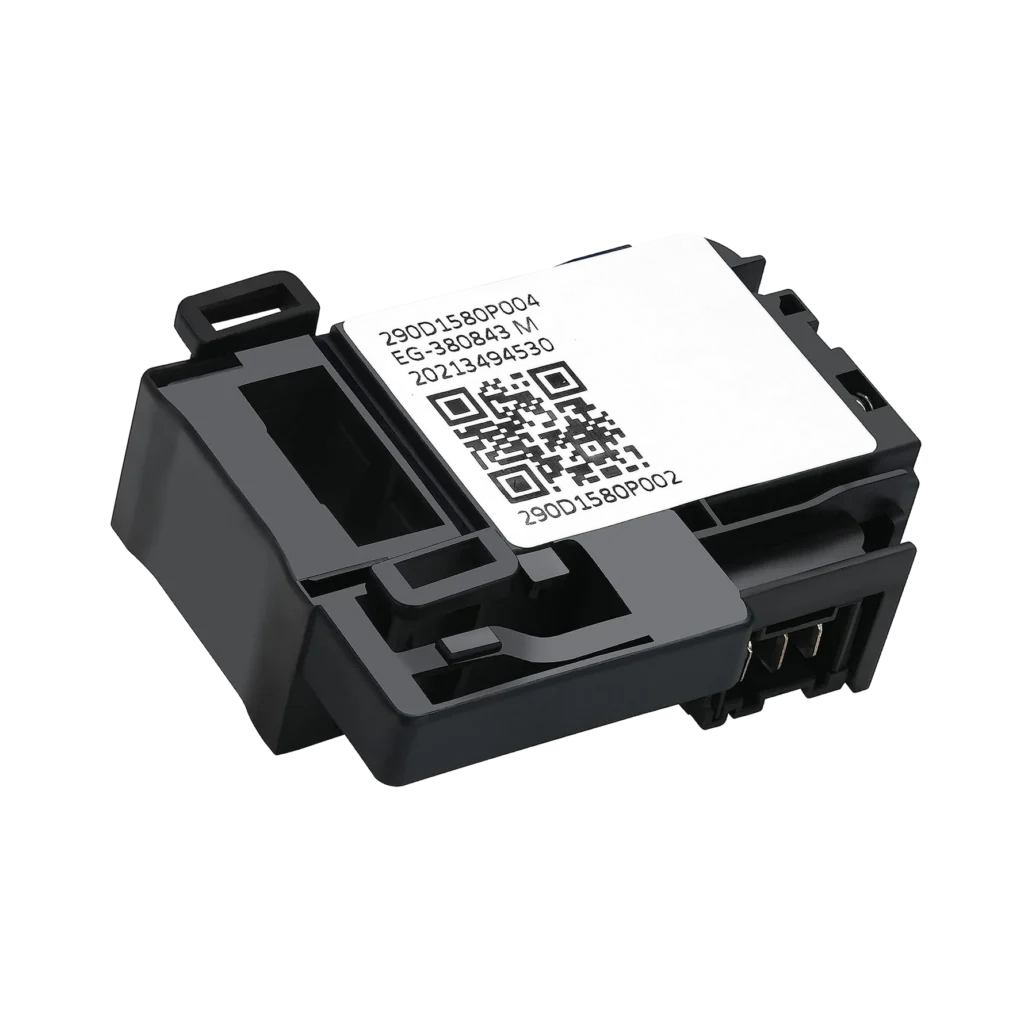
You're staring at a GE GTW460ASJ2WW that won't start because the lid lock failed. Again. The OEM part at the appliance store is $147, the Heima aftermarket version is $62.99. That's an $84 difference — enough to make you wonder if you're sacrificing quality for savings.
I've replaced dozens of these lid lock assemblies on GE top-loaders. Let's cut through the marketing and look at what actually matters.
Quick Answer
The aftermarket WH01X27954 performs identically to OEM for 95% of users. The locking mechanism, switch contacts, and mounting design are functionally equivalent. Unless you're preserving a warranty or reselling the machine within six months, the aftermarket part makes more sense financially.
Side-by-Side Comparison
| Factor | OEM GE (WH01X27954) | Heima Aftermarket |
|---|---|---|
| Price | $135–$165 | $62.99 |
| Warranty | 90 days (parts only) | 1 year manufacturer |
| Lead Time | 3–7 days (dealer order) | Ships same day |
| Fit & Finish | GE blue branding | Black/gray, no branding |
| Manufacturing | Contract manufactured (varies) | Contract manufactured (China) |
| Switch Type | Microswitch assembly | Microswitch assembly (same spec) |
When OEM Makes Sense
There are legitimate situations where paying double for the GE-branded part is the right call:
You're still under warranty. If your washer is less than a year old, use the OEM part. Mixing aftermarket components can give service centers an excuse to deny future claims, even on unrelated failures.
You're flipping the appliance. Selling a used washer within 3–6 months? The GE logo on the part adds perceived value during inspections. Buyers feel better seeing branded components, even though functionally there's no difference.
The dealer is eating the labor cost. If you've got a repair service covering installation and they're sourcing OEM at their cost, don't overthink it. You're not paying the markup.
When Aftermarket Wins
For everyone else — homeowners doing their own repairs, landlords maintaining rental units, or anyone past warranty — the aftermarket version is the smarter play.
The failure rate is identical. Lid lock switches fail because of mechanical wear on the latch hook, not manufacturing quality. The OEM part uses the same microswitch technology as the aftermarket. Both typically last 18–36 months under normal use before the contacts wear out.
Installation is identical. Same three-wire connector, same mounting holes, same 15-minute install. The aftermarket WH01X27954 drops into GTW220ACK5WW, GTW330ASK4WW, GTW460AMJ3WW, and dozens of other models without modification. You're not jury-rigging anything.
You get it faster. Most appliance parts dealers don't stock lid locks — they order them when you call. That's 3–7 days of wet laundry piling up. The Heima part ships same-day, which matters when you've got a household to run.
Real-world cost breakdown: If you replace this part yourself (15 minutes, just a Phillips screwdriver), the aftermarket version saves you $84. That's enough to cover the next bearing replacement or agitator repair when it inevitably comes up.
Our Verdict
Buy the aftermarket WH01X27954 unless you're under warranty or reselling within six months. The $84 savings is real money, and the functional performance is identical. I've installed both versions in back-to-back repairs — customers can't tell the difference three months later.
What Actually Fails on These Lid Locks
Understanding why these parts fail helps you make a smarter buying decision. The lid lock assembly on GE top-loaders has two failure points:
The latch hook cracks. That plastic tab that catches the striker plate? It takes the full force of the lid closing, thousands of times. Eventually the plastic fatigues and snaps. When this happens, the switch never activates and the washer won't start. Both OEM and aftermarket use similar ABS plastic here — neither lasts forever.
The microswitch contacts corrode. Even in a properly vented laundry room, moisture gets into the switch housing. The tiny metal contacts oxidize, creating intermittent connection. You'll get the clicking sound but the washer randomly won't start, or it stops mid-cycle. Replacing the whole assembly is faster than trying to clean contacts.
Frequently Asked Questions
Will the aftermarket lid lock void my GE warranty?
Technically, no — the Magnuson-Moss Warranty Act prevents manufacturers from voiding warranties just because you used aftermarket parts. Practically? If you're still under the original one-year GE warranty, service techs may give you grief. Use OEM while under warranty, switch to aftermarket after.
How long do these lid lock switches typically last?
18–36 months with normal use (4–6 loads per week). Heavy users — families doing 10+ loads weekly — might see failure closer to 12–18 months. The failure rate is about wear and cycle count, not whether you bought OEM or aftermarket. Both use the same microswitch technology with similar lifespan.
Can I just bypass the lid lock instead of replacing it?
Absolutely not. That lid lock is a safety interlock — it prevents the basket from spinning while the lid is open. Bypassing it means a kid or pet could reach into a spinning drum and get seriously hurt. The $63 part is cheaper than an emergency room visit, and way cheaper than the lawsuit. Replace it properly.
Ready to go aftermarket?
WH01X27954 · Factory direct · 1-year warranty