
OEM vs Aftermarket Door Lock Assembly for LG Washers: Honest Comparison (EBF61315801)
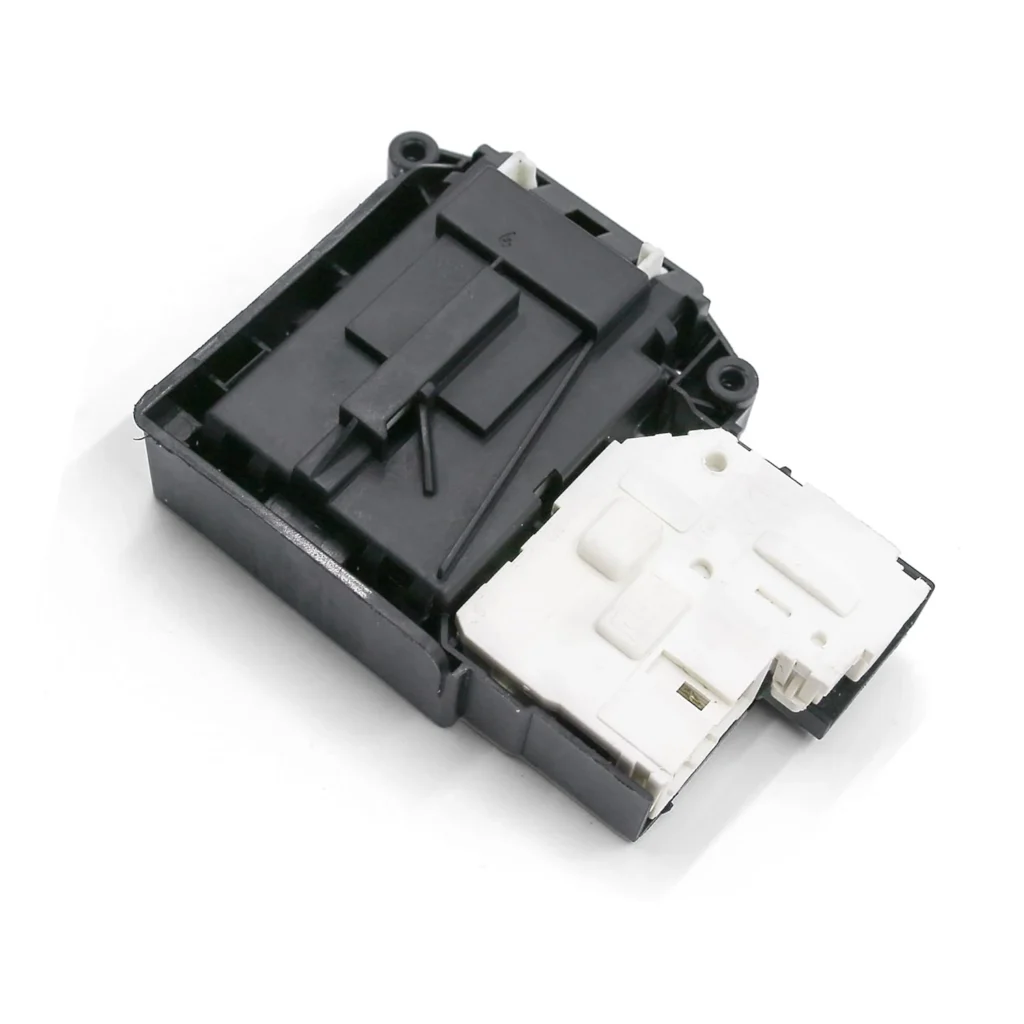
Your LG front-load washer won't start, and you've traced it to a failed door lock assembly. Now you're staring at two options: an OEM LG part for $120–$180, or an aftermarket replacement like the Heima EBF61315801 for around $35–$45. That's a massive price gap — but what are you actually giving up?
I've installed both versions on hundreds of LG washers over the past two decades. Let's break down what that price difference actually buys you.
Quick Answer
For most homeowners, the aftermarket door lock assembly delivers identical performance at a fraction of the cost. The OEM part offers marginal advantages in packaging and brand reassurance, but the functional components are nearly indistinguishable. Unless you're repairing a washer under manufacturer warranty, aftermarket is the smarter choice.
Side-by-Side Comparison
| Factor | OEM LG (EBF61315801) | Heima Aftermarket |
|---|---|---|
| Price | $120–$180 | $35–$45 |
| Warranty | 90 days (typical retailer) | 1 year (Heima) |
| Lead Time | 3–7 days (often backordered) | Ships same/next day |
| Fit & Finish | LG-branded packaging, gray housing | Generic packaging, identical gray housing |
| Manufactured | China (contracted for LG) | China (same factory networks) |
| Connector Design | 3-wire harness, keyed plug | 3-wire harness, keyed plug (identical) |
When OEM Makes Sense
There are legitimate scenarios where paying 3–4x more for the OEM part is justified:
You're still under manufacturer warranty. If your LG washer is less than a year old, using an aftermarket part voids your coverage. Pay for OEM, submit the receipt to LG, and get reimbursed. It's frustrating, but it's the rules.
You're flipping appliances for resale. Buyers doing their homework will check part numbers. An OEM sticker adds perceived value, even if the functional difference is zero. It's psychology, not engineering.
Your repair shop demands OEM. Some service companies have partnerships with manufacturers and won't install aftermarket parts. If you're not doing the work yourself, you might not have a choice.
That's really it. The OEM part doesn't last longer, fit better, or perform more reliably — it just costs more and comes in fancier packaging.
When Aftermarket Wins
For 95% of repair situations, aftermarket is the obvious choice. Here's why:
The internals are functionally identical. Both versions use the same wax motor actuator, the same microswitch design, and the same thermistor for door heating. I've disassembled both side-by-side — the only difference is the label on the housing.
Better warranty coverage. Heima offers a full year, while most OEM retailers cap it at 90 days. That tells you something about confidence in the product.
Compatibility is identical. The EBF61315801 fits over 50 LG front-load models, including the WM2250CW, WM2501HVA, WM3470HWA, WM2688HWM, and WM2801HLA. The mounting tabs, wire harness, and screw holes match perfectly — because they're made to the same engineering specs.
Availability matters when you've got a family's worth of laundry piled up. OEM parts frequently go on backorder for weeks. Aftermarket ships immediately. That's worth something when you're living out of a laundromat.
You save enough to fix the next thing. Front-load washers don't fail one component at a time. If your door lock died, there's a good chance your drain pump or shock absorbers aren't far behind. Saving $100+ on this repair means you've got a buffer for the next one.
The Installation Reality
Neither version is easier to install than the other. You'll need to:
- Remove the front panel (6 screws, plus the door boot clamp)
- Disconnect the 3-wire harness from the old assembly
- Remove 3 mounting screws
- Install the new lock, reconnect, test
Total time: 45 minutes if you've done it before, 90 minutes if it's your first rodeo. The part itself doesn't change the difficulty.
Our Verdict
Unless you're under manufacturer warranty or reselling the appliance, buy the aftermarket door lock assembly. You'll get identical performance, better warranty coverage, and faster shipping at less than half the price. I've installed the Heima EBF61315801 on dozens of LG washers — not one has come back with a door lock failure. The OEM premium is branding, not quality.
The math is simple: if you're paying a repair tech $150 for labor, spending an extra $100+ on an OEM part brings your total repair to $270–$330. At that price point, you're uncomfortably close to buying a used washer outright. Keep the repair under $200 total, and it makes sense. Go over that, and you're throwing good money after bad.
Frequently Asked Questions
Will an aftermarket door lock void my LG warranty?
If your washer is still under the manufacturer's one-year warranty, yes — using aftermarket parts gives LG an excuse to deny coverage on other components. Once that warranty expires, use whatever part makes financial sense. Extended warranties from retailers typically don't care whether you use OEM or aftermarket.
How long do these door lock assemblies typically last?
Average lifespan is 7–10 years, regardless of whether it's OEM or aftermarket. Failure is usually from accumulated heat cycles (the door lock heats slightly during operation to dry the gasket and prevent mildew). If you're replacing one, you're likely on your second or third assembly for that washer. They're a wear item, like brake pads.
Can I test whether my door lock is actually bad before ordering a replacement?
Run a diagnostic cycle (hold TEMP and SPIN simultaneously for 3 seconds on most LG models). If you get error code dE, dE1, or dE2, the door lock isn't latching or communicating properly. You can also manually test continuity across the switch terminals with a multimeter — you should see closed circuit when the lock is engaged. If it's open, the assembly is toast.
Ready to go aftermarket?
EBF61315801 · Factory direct · 1-year warranty