
OEM vs Aftermarket 134711401 Thermal Fuse for Frigidaire: Honest Comparison
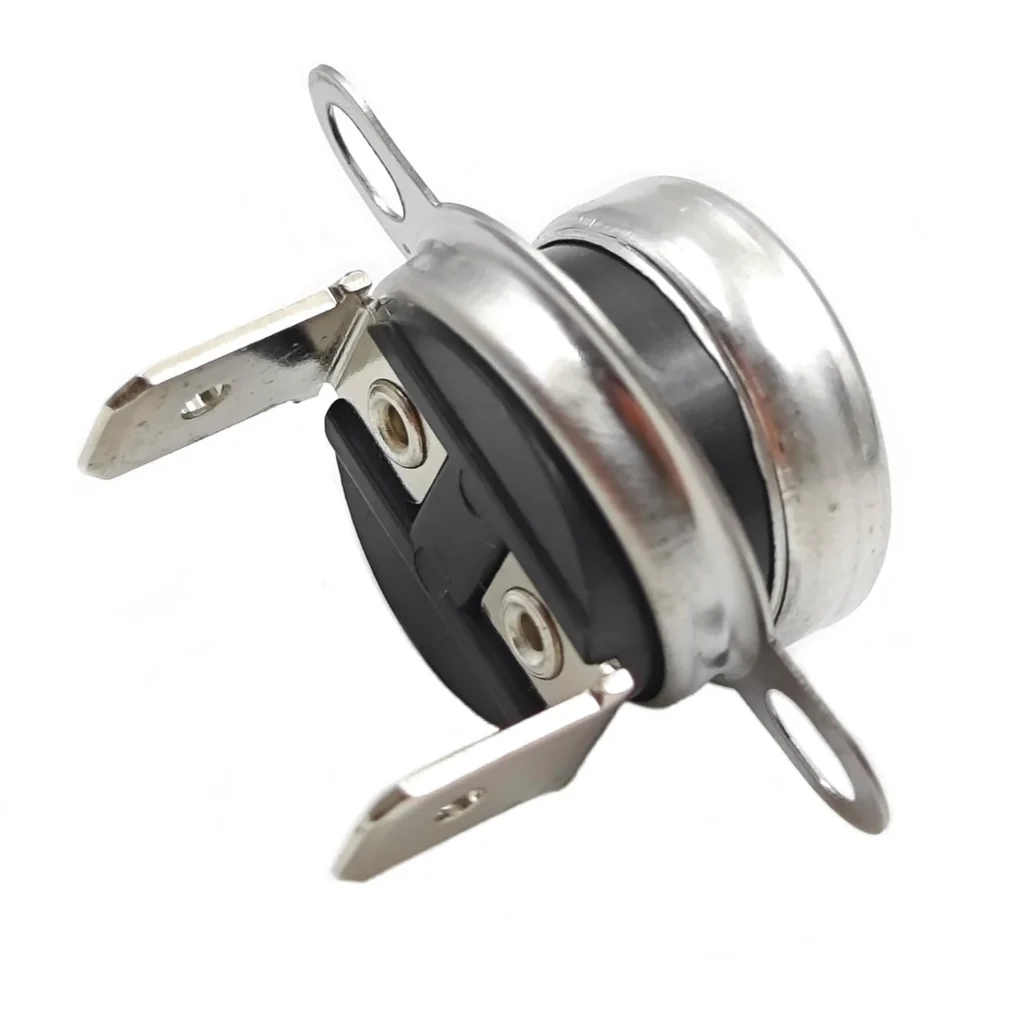
Your Frigidaire dryer won't start. You've checked the door switch, verified the breaker, and pushed every button twice. Then you test continuity on the thermal fuse and get nothing. Dead. The OEM part from an authorized dealer? $45–$65 plus shipping. The aftermarket version? $19.99. Same specs, same job. Let's break down whether that price difference matters.
Quick Answer
For the 134711401 thermal fuse, aftermarket is the smart choice for 95% of repairs. It's a simple thermal cutoff device rated to the exact same 196°F trip point as OEM. You're paying $25–$45 extra for OEM branding on a component that either works or it doesn't — there's no performance spectrum here.
Side-by-Side Comparison
| Factor | OEM Frigidaire | Heima Aftermarket |
|---|---|---|
| Price | $45–$65 | $19.99 |
| Warranty | 90 days (varies by seller) | 1 year manufacturer warranty |
| Lead Time | 3–7 days from authorized dealers | Ships same/next business day |
| Fit & Finish | Exact factory connectors | Identical terminals, same gauge wire |
| Manufacturing | Contracted (often same factories) | ISO-certified facilities |
| Trip Temperature | 196°F thermal cutoff | 196°F thermal cutoff |
When OEM Makes Sense
There are exactly three scenarios where I'd spring for the OEM 134711401:
You're under manufacturer warranty. If your Frigidaire EFME417SIW0 or Electrolux EFMC617SIW0 is still covered, using OEM parts keeps your warranty intact. Some manufacturers void coverage if they detect third-party components during a service call.
You're flipping appliances commercially. If you're reselling refurbished dryers with a business warranty, the OEM documentation can justify higher resale prices. Buyers paying premium expect premium paperwork.
You've had two aftermarket failures in six months. This shouldn't happen with quality aftermarket parts, but if it does, something else is wrong. The dryer's overheating due to restricted airflow or a malfunctioning heating element — the root cause this thermal fuse keeps cutting power to protect. In that case, even OEM fuses will keep blowing until you fix the real problem.
When Aftermarket Wins
For standard home repairs, aftermarket delivers identical protection at half the cost. Here's why that matters:
Thermal fuses are binary devices. They trip at 196°F or they don't. There's no "premium" version that trips more accurately — it's a calibrated bimetal element in a ceramic housing. The aftermarket 134711401 uses the same design spec as the OEM because that's what UL certification requires.
You're likely fixing a symptom, not preventing one. This fuse fails when the dryer overheats due to restricted airflow or a malfunctioning heating element. If your FAQE7001LW0 or BAQE7077KW0 won't start, the fuse did its job — it sacrificed itself to prevent a fire. Replacing it with a $65 OEM part doesn't address why it blew in the first place.
The price gap covers cleaning supplies. That $45 you save? Buy a dryer vent cleaning kit and a multimeter. Clean the entire vent run, check the heating element for shorts, and verify proper airflow. You've just prevented the next thermal fuse failure regardless of which brand you installed.
Our Verdict
Buy the aftermarket 134711401 and invest the savings in preventive maintenance. Clean your vent system thoroughly — that's what kills thermal fuses, not the brand name stamped on the housing. If you're replacing this fuse on a Kenmore 79682283210 or Frigidaire BKQE7017KT0, the aftermarket version will protect your dryer exactly as well as OEM while leaving you $45 to address the actual problem: heat buildup from lint restriction.
Frequently Asked Questions
Will an aftermarket thermal fuse void my Frigidaire warranty?
Potentially, yes — if your dryer is still under manufacturer warranty and you file a claim. The Magnuson-Moss Warranty Act prevents manufacturers from blanket-voiding warranties over third-party parts, but they can deny claims if the aftermarket part caused the failure. For out-of-warranty units (most dryers over 1 year old), this is irrelevant.
Why do thermal fuses keep blowing on my Electrolux dryer?
Repeated thermal fuse failures on models like the EFME517SIW0 or EFDC317TIW0 indicate chronic overheating. Check three things: (1) the external vent for lint buildup or crushed ductwork, (2) the blower wheel for debris slowing airflow, and (3) the heating element for cracks causing runaway heat. The fuse is doing its job — protect the dryer by fixing what's making it overheat.
Can I bypass the thermal fuse temporarily to test my dryer?
Absolutely not. The 134711401 is a critical safety device rated for 196°F cutoff. Bypassing it removes fire protection from your dryer. If you're troubleshooting whether the fuse is the problem, test it with a multimeter for continuity — it should read zero ohms when good, infinite resistance when blown. Testing takes 30 seconds. Bypassing risks your house.
Ready to go aftermarket?
134711401 · Factory direct · 1-year warranty