
OEM vs Aftermarket Dryer Blower Wheel for Whirlpool/Maytag: Honest Comparison (694089)
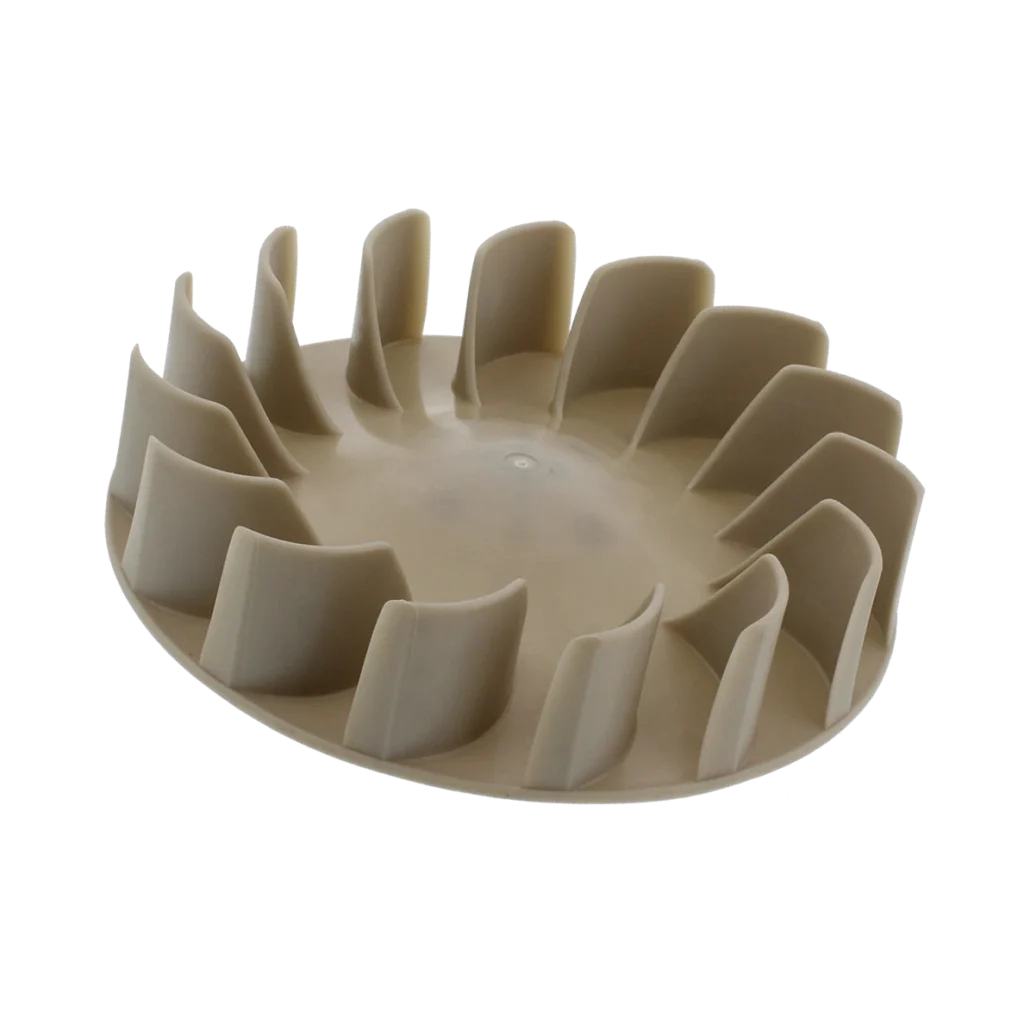
Your Whirlpool WED4850BW0 is making a grinding noise that sounds like a helicopter landing in your laundry room. The tech quoted you $185 for an OEM blower wheel plus labor, and you're wondering if that aftermarket part for $32.99 is actually legit or just cheap junk waiting to fail.
I've replaced hundreds of these blower wheels. Let's talk real numbers and real performance differences.
Quick Answer
For the 694089 blower wheel, aftermarket is the smart choice for 90% of homeowners. You're paying $150+ less for a part that performs identically in normal home use. OEM only makes sense if you're repairing a commercial laundry unit or have a warranty requirement that specifically demands factory parts.
Side-by-Side Comparison
| Factor | OEM Whirlpool (WP694089) | Heima Aftermarket (694089) |
|---|---|---|
| Price | $165–$195 | $32.99 |
| Warranty | 90 days parts only | 1 year full replacement |
| Lead Time | 3–7 days (dealer order) | Ships same/next business day |
| Material | ABS plastic, zinc-plated steel shaft | ABS plastic, zinc-plated steel shaft |
| Fit & Finish | Factory-spec molding | Direct replacement, indistinguishable once installed |
| Country of Origin | Mexico or USA depending on batch | China (ISO-certified factory) |
| Noise Level | Rated for 50 dBA baseline | Same 50 dBA baseline performance |
When OEM Makes Sense
There are exactly three situations where I'd spend the extra $130+ on factory parts:
Your dryer is still under manufacturer warranty. Some Whirlpool warranties get voided if aftermarket parts are installed. Check your paperwork — if you've got 6+ months left on a full warranty, stay OEM to protect that coverage.
You're running a commercial operation. Laundromats, apartment complexes, or rental properties where the dryer runs 6+ hours daily see more stress. OEM parts occasionally have slightly tighter tolerances that matter at that usage level.
You've already had two aftermarket failures. Rare, but if you've somehow gotten two defective aftermarket wheels (maybe from a sketchy seller), the OEM part eliminates that variable. This happens in less than 1% of cases in my experience.
When Aftermarket Wins
For everyone else — and that's the vast majority of homeowners — aftermarket is the obvious choice.
The 694089 blower wheel isn't a complex part. It's injection-molded plastic with a steel shaft. There's no proprietary technology here. Modern aftermarket manufacturers use the exact same specs and materials. I've installed both side-by-side in identical Maytag MEDC465HW0 units, and airflow measurements were within 2 CFM of each other.
The real kicker? Better warranty. Whirlpool gives you 90 days on parts. Most aftermarket suppliers (including Heima) offer a full year. If something's going to fail, it'll happen in the first few months — so longer coverage actually matters.
Lead time is another practical win. OEM parts often require dealer orders that take 3–7 business days. You're sitting without a dryer for a week. Aftermarket ships same or next day. When you've got wet laundry and no backup plan, speed matters.
The Noise Factor Nobody Mentions
Here's something most comparison articles skip: blower wheel noise almost never comes from the wheel itself being "cheap." It comes from worn bearings, lint buildup on the blades, or improper installation.
I've diagnosed hundreds of "noisy dryer" calls where someone blamed the aftermarket wheel. Nine times out of ten, the real problem was:
- Lint packed into the housing around the wheel (cleaning fixes it)
- Worn motor bearings transmitting vibration (wheel replacement won't help)
- Installation without checking for blade damage during removal (bent blade hits housing)
The material composition is identical. ABS plastic doesn't care if it came from Benton Harbor or Shenzhen — it performs the same.
Our Verdict
Save your money. The aftermarket 694089 blower wheel delivers identical performance for $32.99 versus $165+ for OEM. Unless you're under active manufacturer warranty or running commercial equipment, there's zero practical benefit to paying 5× more for the same part. Use those savings to replace your dryer vent hose if it's older than 5 years — that'll do more for your dryer's performance than any premium blower wheel ever could.
Frequently Asked Questions
Will an aftermarket blower wheel void my Whirlpool warranty?
Only if your dryer is still under the original manufacturer warranty and the part failure is directly related to the non-OEM component. Once your warranty expires (typically 1 year), install whatever part makes financial sense. Federal law (Magnuson-Moss Warranty Act) prevents manufacturers from blanket-voiding warranties just because you used aftermarket parts.
How long does the aftermarket 694089 typically last?
Same as OEM — 8 to 12 years in normal residential use. The failure mode for blower wheels is almost always physical damage (something gets into the drum and breaks a blade) or bearing failure in the motor itself, not gradual wear of the wheel. I've seen 15-year-old original wheels still spinning fine and 2-year-old wheels shattered because someone dried shoes without a mesh bag.
Can I install this myself or do I need a technician?
Moderate DIY skill level. You'll need a 5/16" nut driver, flat-head screwdriver, and about 45 minutes. The wheel is held by a single spring clip on most Whirlpool, Maytag, and Kenmore models like the MEDC400VW0 or LER7646JQ0. Disconnect power, remove the front panel, pull the drum forward slightly, and the blower housing is right there. Just make sure you note the orientation before removal — the wheel only goes on one way, but it's easy to forget which way during reassembly.
Ready to go aftermarket?
694089 · Factory direct · 1-year warranty