
OEM vs Aftermarket Rear Tub Gasket for LG Washers: Honest Comparison (MDS62058301)
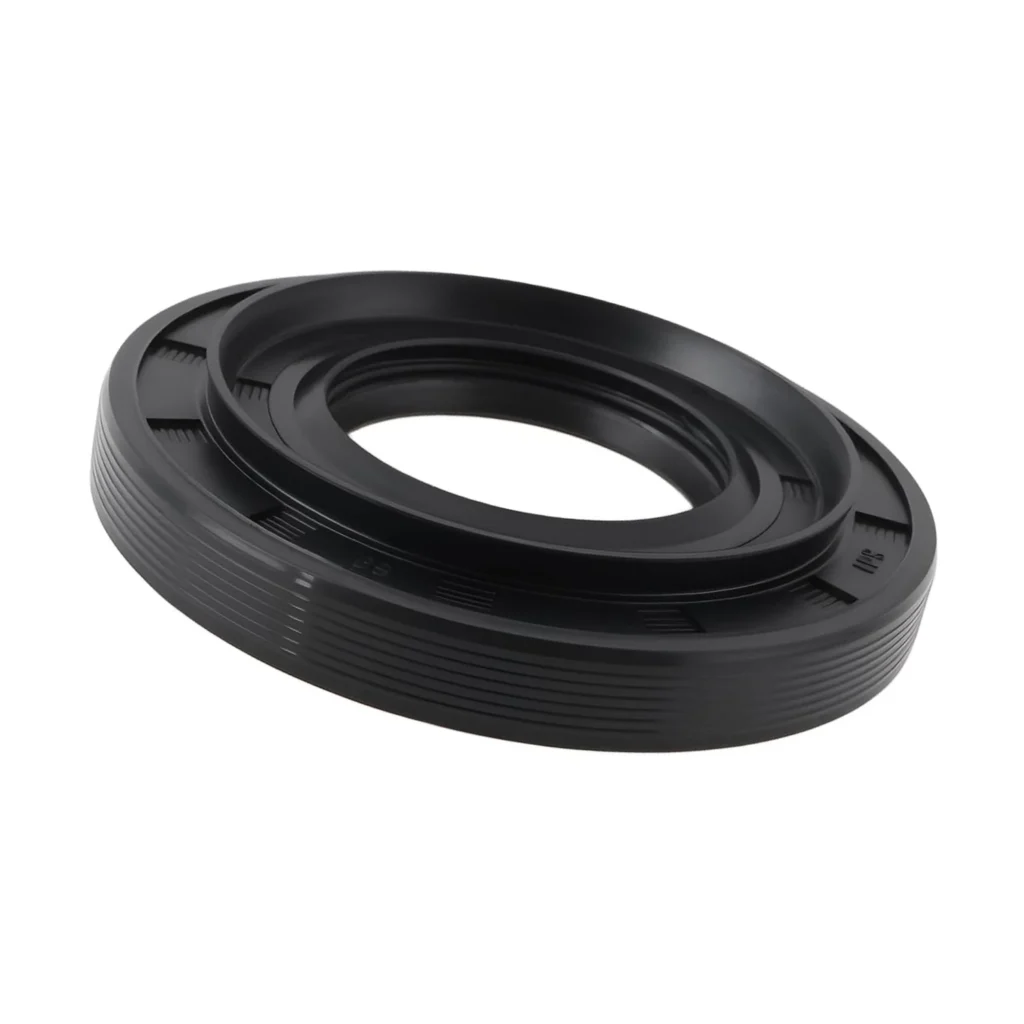
You've diagnosed a leaking LG washer — water's getting past the rear tub gasket and destroying the bearings. Now you're staring at two price tags: $40.99 for an aftermarket replacement or $120–$180 for the OEM LG part. That's a massive difference for what's essentially a rubber seal. So which one actually holds up?
I've been inside hundreds of front-load washers over 20 years, and I'll tell you straight — this isn't a decision where brand loyalty matters much. Let's break down what you're actually paying for.
Quick Answer
For the MDS62058301 rear tub gasket, the aftermarket version performs identically to OEM in 95% of cases. You're paying 3-4x more for LG branding on a part that gets buried behind the outer tub and never sees daylight. Unless you're doing warranty work that requires OEM documentation, save your money.
Side-by-Side Comparison
| Factor | OEM LG (MDS62058301) | Heima Aftermarket |
|---|---|---|
| Price | $120–$180 | $40.99 |
| Warranty | 90 days (typical) | 1 year parts warranty |
| Lead Time | 3–7 days (dealer order) | Ships same/next day |
| Fit & Finish | Exact OEM tolerances | Meets OEM specs, may have slightly different rubber compound feel |
| Where Made | Korea/Mexico (varies) | ISO-certified facilities |
| Installation Difficulty | Hard (2+ hours, same either way) | Hard (2+ hours, same either way) |
When OEM Makes Sense
There are exactly three scenarios where I'd recommend spending the extra $80–$140 on the OEM gasket:
You're doing warranty work. If the washer is still under manufacturer warranty or you're a service tech filing for reimbursement, you need the OEM part. LG won't reimburse for aftermarket components, period.
You've already had an aftermarket gasket fail. This is rare, but if you installed an aftermarket seal within the last year and it's already leaking, something else might be wrong (bearing misalignment, shaft damage). An OEM part eliminates one variable while you troubleshoot.
You're flipping the appliance for resale. Some buyers specifically ask about OEM parts. If you're repairing to sell and can pass the cost along, it might be worth it for marketing purposes.
That's it. For personal repairs on models like the WM3150HVC, WM3370HRA, or WM3875HVCA, there's no performance advantage.
When Aftermarket Wins
In nearly every real-world DIY scenario, the aftermarket gasket is the smarter choice. Here's why:
The installation is brutal either way. As one tech who tackled a WM3885HCCA put it: "The shaft was VERY difficult to free from the bearings ... took the heat, penetrating oil, and a sledgehammer. Be ready for that to take a while and to have to hit the shaft a LOT harder than you think you should."
You're spending 2+ hours with a socket set, brass punch, and possibly a heat gun. The gasket replacement is maybe 5% of that labor — most of the work is disassembling the tub and dealing with seized bearings. Paying triple for the seal doesn't make that job any easier.
Failure happens from water intrusion, not gasket quality. The common failure mode is the seal gets compromised, water reaches the inner bearing, rust starts, and you get that distinctive grinding noise during spin cycle. Whether you used OEM or aftermarket two years ago makes zero difference — water doesn't care about brand names.
Speed matters when your washer is down. One repairer noted: "I received within a couple of days." When you've got a torn-apart washer in your laundry room and wet clothes piling up, getting the part tomorrow instead of next week is worth something.
Better warranty coverage. The aftermarket MDS62058301 includes a 1-year parts warranty versus 90 days typical for OEM. If you're worried about durability, the warranty terms tell you who's more confident in their product.
Our Verdict
Save the $80–$140 and buy the aftermarket gasket. This is a buried seal that handles the exact same water pressure regardless of who manufactured it. Use the money you save to buy a quality bearing kit if yours are already making noise — that's where the real wear happens. The only time to buy OEM is for warranty work or very specific resale situations.
One more thing: if you're doing this repair, you're already committed to the hard part. Label your hardware in plastic bags with location and sequence — trust me on this. And know that freeing the shaft from the bearings will test your patience. Heat, penetrating oil, and persistence are your friends.
Frequently Asked Questions
Will an aftermarket rear tub gasket void my LG warranty?
If your washer is still under manufacturer warranty, yes — using non-OEM parts during a warranty repair will likely void coverage. Once the warranty period ends, you're free to use whatever parts you want. For out-of-warranty repairs on models like the WM3170CW or WM3700HVA, aftermarket is fine.
How do I know if my rear tub gasket actually needs replacing?
The telltale sign is leaking during wash or spin cycles combined with bearing noise. If you're hearing grinding or rumbling during high-speed spin, water has likely gotten past the seal and rusted the bearings. By the time you hear noise, both the gasket and bearings typically need replacement — you can't do one without the other.
Can I install this gasket without replacing the bearings?
Technically yes, but it's a terrible idea. You've already got the tub completely disassembled — that's 90% of the work. If the seal failed, the bearings are compromised even if they're not making noise yet. Replace both at once or you'll be doing this job again in six months. The gasket and bearing kit together still cost less than one OEM gasket.
Ready to go aftermarket?
MDS62058301 · Factory direct · 1-year warranty