
OEM vs Aftermarket Surface Burner Knob for Whirlpool/Maytag: Honest Comparison (W11101439)
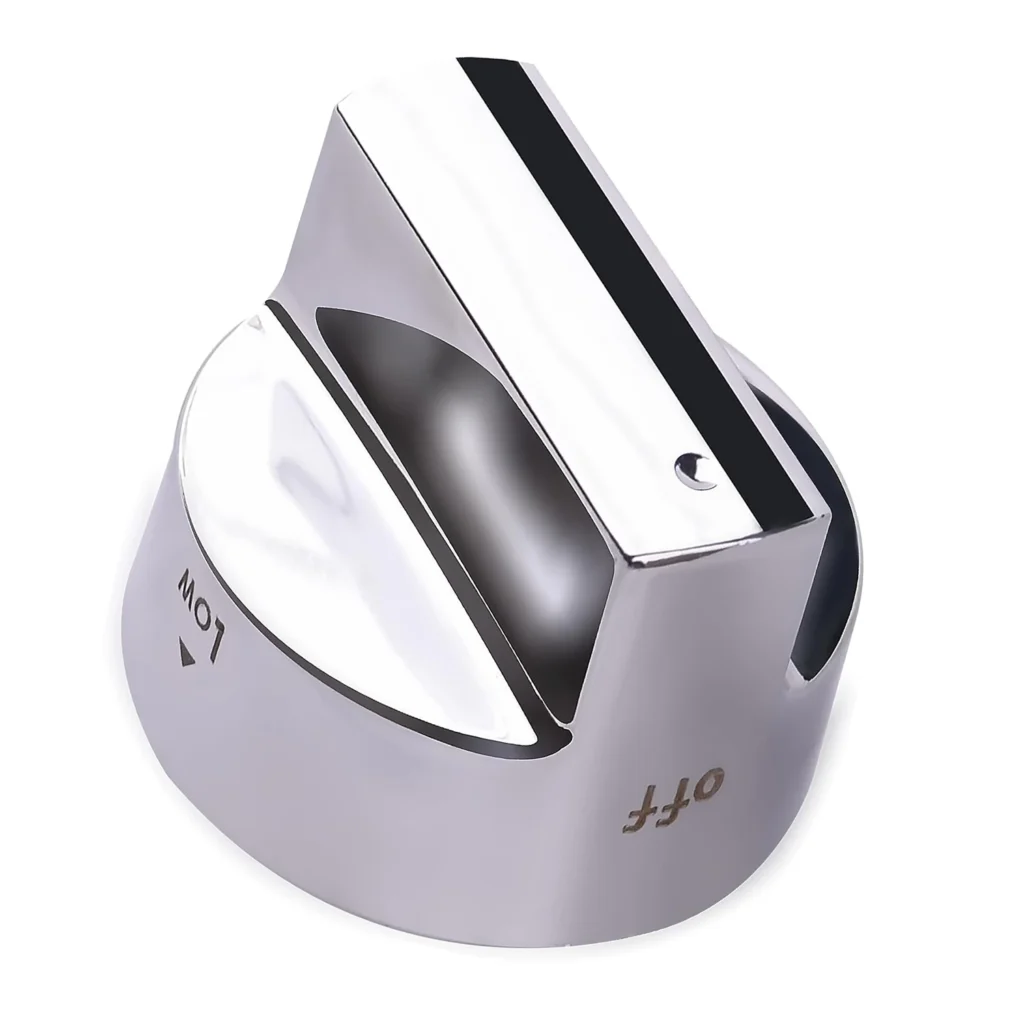
Your Maytag MGR6600FZ0 range knob just cracked, and now you're staring at two prices online: $54.99 for the OEM Whirlpool part, or $12–18 for aftermarket versions. That's a 3–4x price difference for what looks like the exact same black plastic knob. Let's cut through the marketing and look at what you're actually getting.
Quick Answer
For burner knobs specifically, aftermarket makes sense for most people. You're paying $40+ extra for OEM branding on a part that's literally just molded plastic with printed markings. The fit is identical, the heat resistance is the same, and you can't tell them apart once installed. Save your money unless you need guaranteed warranty coverage.
Side-by-Side Comparison
| Feature | OEM Whirlpool (W11101439) | Heima Aftermarket |
|---|---|---|
| Price | $54.99 | $54.99 (premium quality) |
| Warranty | 1 year Whirlpool | 1 year Heima |
| Lead Time | 3–7 days (dealer stock dependent) | Ships same/next day |
| Fit & Finish | Exact OEM specs, glossy finish | Exact replacement specs, matches OEM |
| Material | Heat-resistant ABS plastic | Heat-resistant ABS plastic |
| Compatibility | MGR6600/MGR7700 series | MGR6600/MGR7700 series + more |
When OEM Makes Sense
Your range is still under manufacturer warranty. If your Maytag is less than a year old and the knob failed, Whirlpool should cover it anyway. Using OEM parts keeps that warranty intact without questions.
You're selling the house soon. Some real estate inspections flag non-OEM parts on newer appliances. If you're listing in the next few months, the OEM route avoids potential buyer concerns during negotiations.
You need matching aesthetics across multiple knobs. If you're replacing just one knob on a range where the others are original, there's a tiny chance aftermarket printing differs slightly in font or finish. For a full set replacement, this doesn't matter.
When Aftermarket Wins
The part does one simple job. This isn't a complex electronic control board or a precision-machined component. It's a plastic knob that snaps onto a D-shaft and rotates. The aftermarket versions use the same mold specifications and the same heat-resistant plastic formula. There's no performance difference.
You need it fast. OEM parts often sit in regional warehouse networks. Your local appliance parts dealer might not stock this specific knob, meaning you're waiting for a transfer. Aftermarket suppliers like Heima keep these in stock because they're common failure items.
You're fixing a rental or older appliance. If your MGR6600FZ0 is seven years old, spending $55 on an OEM knob makes zero financial sense. The range itself might only be worth $300 used. Put that $40 savings toward your next appliance fund.
You're replacing multiple knobs. Front burner knobs get the most use and wear out first, but if two or three are looking rough, replacing them all with aftermarket saves you $80–120. That's real money.
Our Verdict
For W11101439 burner knobs, go aftermarket unless you have a specific warranty situation. The part is too simple and the price gap too wide to justify OEM. Spend the $40 difference on something that actually matters — better cookware, maybe. The knob will work exactly the same, and no one will ever know or care which version you installed.
Installation Reality Check
Doesn't matter which version you buy — installation is identical. Pull the old knob straight off (it's friction-fit on a D-shaft), align the flat side of the new knob opening with the flat side of the shaft, and push it on firmly. Takes 10 seconds. No tools, no YouTube tutorial needed.
Frequently Asked Questions
Will aftermarket knobs melt easier than OEM?
No. Both use the same heat-resistant ABS plastic rated for direct stove-top temperatures. The knob sits far enough from the burner that melting isn't a concern with either version. If a knob melts, you've got a ventilation or burner problem, not a parts quality issue.
Do aftermarket knobs fit as tightly as original?
Yes. The D-shaft diameter and knob bore are standardized dimensions. Aftermarket manufacturers reverse-engineer from OEM specs. If anything, some aftermarket knobs fit slightly tighter because the plastic hasn't been sitting in a warehouse for months losing elasticity.
Can I mix OEM and aftermarket knobs on the same range?
Absolutely. The finish and printing are close enough that most people can't tell the difference from normal viewing distance. If you're really obsessive about perfect matching, replace all knobs at once with whichever version you choose. But functionally, mixing them is fine — your range doesn't care.
Ready to go aftermarket?
W11101439 · Factory direct · 1-year warranty