
OEM vs Aftermarket Washer Tub Seal for LG: Honest Comparison (4036ER2003A)
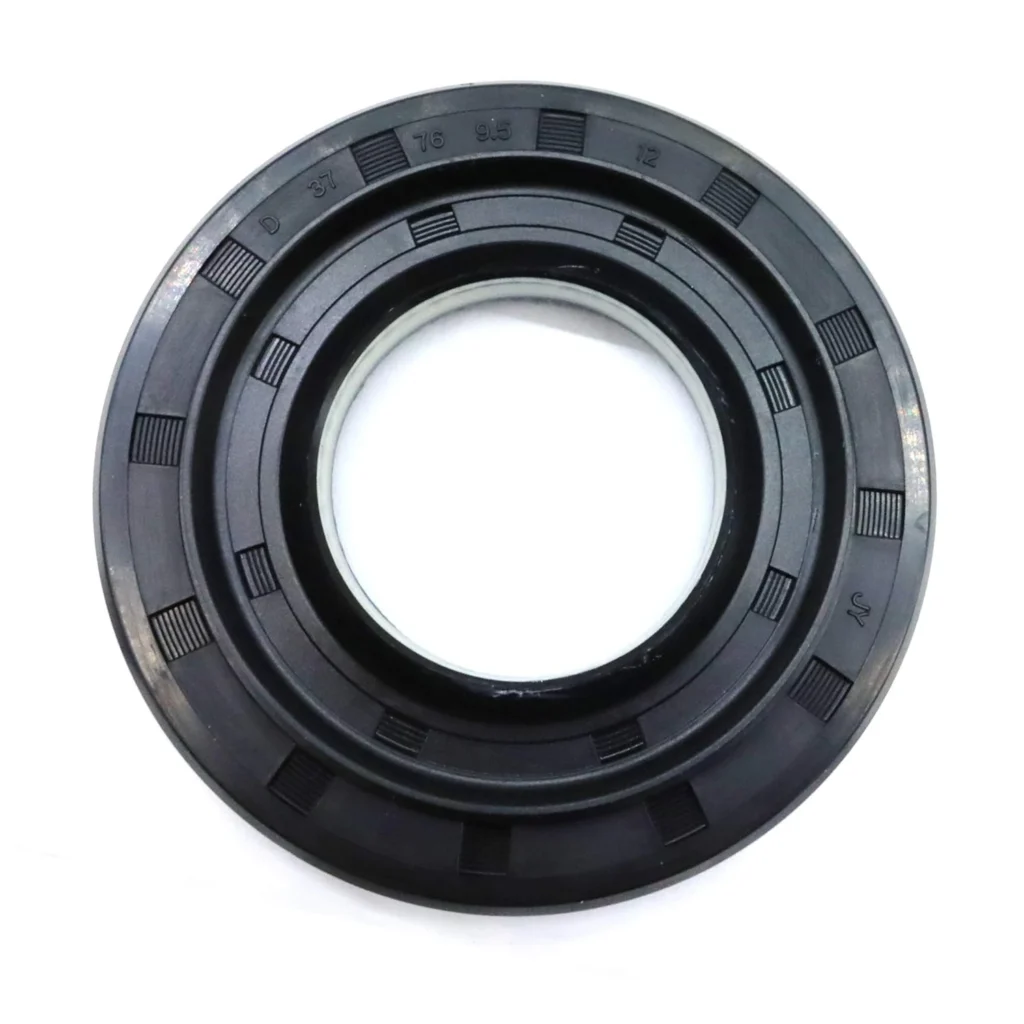
Your LG washer's leaving puddles on the floor, or worse — you're catching that acrid burning rubber smell during the spin cycle. You've tracked it down to a failed tub seal (4036ER2003A), and now you're staring at two wildly different price points: $90–$140 for the OEM LG part versus $33.99 for an aftermarket replacement. Same part number stamped on the package. What's the real difference?
I've installed both versions dozens of times across WM-series front loaders and older Kenmore models like the 796.40021900. Here's what actually matters when you're making this call.
Quick Answer
The aftermarket seal works identically for 95% of home users. OEM costs 3–4x more for essentially the same neoprene rubber compound and brass bearing. Unless you're running a laundromat or need an insurance-approved repair with manufacturer documentation, the aftermarket version from Heima is the smarter buy — especially when leaking has already caused subfloor damage and you're watching costs.
Side-by-Side Comparison
| Factor | OEM LG (4036ER2003A) | Heima Aftermarket |
|---|---|---|
| Price | $90–$140 | $33.99 |
| Warranty | 90 days (LG standard) | 365 days |
| Lead Time | 3–7 days (authorized dealers) | Ships same/next day |
| Material | Neoprene rubber + brass bearing | Neoprene rubber + brass bearing |
| Packaging | LG-branded box | Generic sealed bag |
| Manufacturing | Contracted (often same factories) | ISO-certified suppliers |
When OEM Makes Sense
There are legitimate situations where spending the extra $60–$100 isn't crazy:
You're still under LG's manufacturer warranty. Using aftermarket parts can void coverage on other components. If your WM3431HS is 18 months old and the control board fails next month, you'll want that warranty intact.
Insurance or property management requires OEM documentation. Rental properties and some homeowner policies mandate manufacturer parts for liability reasons. Get that in writing before you assume aftermarket is acceptable.
You're a service tech doing warranty work. LG reimburses shops for OEM parts only. Your customer might not care, but LG's accounting department does.
The machine runs commercial loads. Coin-op setups or large families doing 15+ loads weekly might see marginal longevity differences. Might. I've never personally documented a failure rate difference, but the OEM carries LG's liability umbrella for high-volume use.
When Aftermarket Wins
For most homeowners, the aftermarket seal is the no-brainer choice:
You're paying out-of-pocket. That $100+ price difference buys a year's worth of detergent. The rubber compound is functionally identical — both seal against the same 1200 RPM spin forces. Your WM2016CW doesn't know the difference between a part that came in an LG box versus a sealed aftermarket bag.
Leaking has already caused damage. When you're staring at warped subfloor or mold remediation bills, every dollar counts. The aftermarket seal stops water just as effectively while you allocate budget to fixing what the leak destroyed.
You need it fast. OEM parts route through authorized distributor networks. Aftermarket ships direct. If you're hauling laundry to your mom's house or the laundromat, two days matters more than a logo on the box.
The machine is 8+ years old. Your WD10583BD has already outlived its expected lifespan. Spending $140 on a seal for a washer worth $300 on Craigslist makes zero financial sense. The aftermarket part gets you another 3–5 years for a third the cost.
Here's what nobody tells you: both parts likely came from the same Korean or Chinese manufacturer. LG doesn't operate its own rubber molding plants. They contract production, slap their QC sticker on it, and mark it up. The aftermarket version skips the brand tax.
The Burning Smell Detail
If you're getting that burning rubber odor during spin cycles, you've caught the failure early. The seal's inner lip is dragging against the tub shaft, generating friction heat. Left unchecked, this melts the seal completely and lets bearing grease contaminate your clothes.
Both OEM and aftermarket seals fix this identically. The smell stops immediately after installation because the new lip rides flush against the shaft with proper tension. There's no performance difference here — it's basic mechanical sealing physics.
Our Verdict
Buy the aftermarket seal unless someone else is paying. The $33.99 Heima version (4036ER2003A) delivers identical performance with a better warranty and faster shipping. Save the $60–$100 difference for the bearing replacement you'll likely need at the same time, since leaking seals usually take out the bearing assembly too. The only exception: you're under manufacturer warranty or have specific insurance requirements demanding OEM parts with branded documentation.
I've never had a callback on an aftermarket tub seal installation. Not once. The part either seals properly or it doesn't — and that depends on correct installation technique, not whose logo is printed on the package.
Frequently Asked Questions
Will the aftermarket seal void my LG warranty?
Yes, technically — but only if your machine is still under LG's original manufacturer warranty (typically 1 year parts and labor, 3 years on the drum). Once that's expired, you're in the aftermarket for repairs anyway. LG doesn't extend warranties based on using their branded parts for out-of-warranty repairs. If you're still covered, stick with OEM to protect against unrelated component failures.
How long does the aftermarket seal last compared to OEM?
Functionally the same: 5–8 years under normal residential use (6–10 loads weekly). Both use neoprene rubber compounds rated for continuous water exposure and high-speed rotation. The failure mode is identical too — gradual wear on the inner lip from shaft friction. I've seen aftermarket seals outlast OEM on Kenmore 796-series models that someone overloaded constantly. Lifespan depends more on load size habits and water hardness than brand name.
Can I install this myself or do I need a tech?
It's an intermediate DIY job requiring tub removal. You'll need to disconnect hoses, remove the front panel, disconnect the door boot, pull counterweights, and extract the entire tub assembly to access the seal. Budget 3–4 hours if it's your first time. The seal itself presses into the outer tub housing — no special tools beyond basic sockets and a rubber mallet. If you're comfortable with YouTube tutorials and have a helper to lift the tub (60+ pounds), you'll save $200–$300 in labor. But if phrases like "spider arm" and "rotor position sensor" sound like foreign languages, hire a tech — improper installation causes immediate re-leaking.
Ready to go aftermarket?
4036ER2003A · Factory direct · 1-year warranty