
OEM vs Aftermarket Oven Temperature Sensor for Frigidaire: Honest Comparison (316233902)
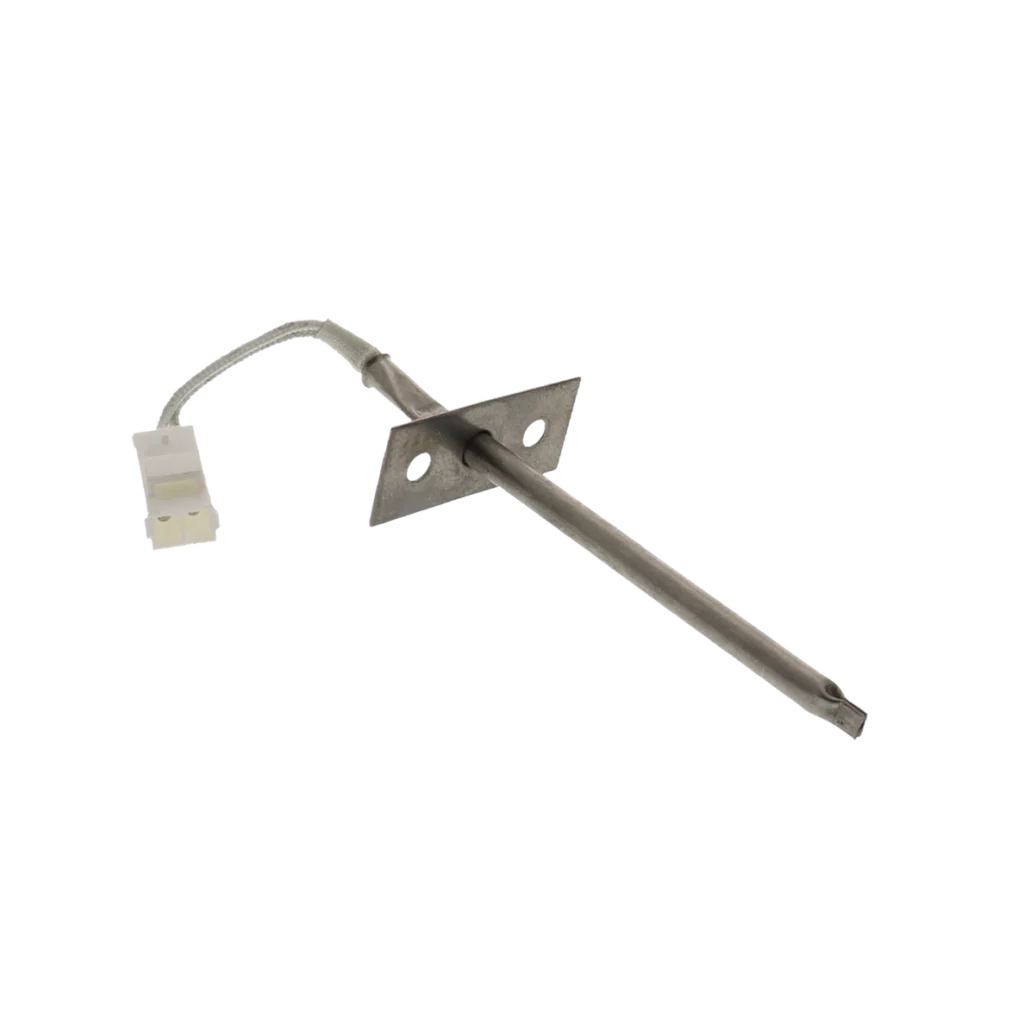
Your Frigidaire oven suddenly won't heat past 250°F — or it's scorching everything at 450° when you set it to 350°. You've diagnosed it down to the temperature sensor probe, and now you're staring at two options: a $95 OEM part from Frigidaire or a $23.99 aftermarket from Heima. That's a $71 difference. Let's cut through the marketing and talk real numbers.
Quick Answer
The aftermarket 316233902 sensor works identically to OEM for 90% of installations — same resistance specs, same probe length. The catch? The connector might differ, requiring a simple wire splice with porcelain wire nuts (takes 5 minutes). If you're comfortable with basic wiring, save the $71. If you want plug-and-play certainty, OEM is your path.
Side-by-Side Comparison
| Factor | OEM Frigidaire | Heima Aftermarket |
|---|---|---|
| Price | $85–$105 | $23.99 |
| Warranty | 90 days (manufacturer) | 365 days (Heima) |
| Lead Time | 3–7 days (dealer order) | Ships same day |
| Connector | Guaranteed match | May require splice |
| Resistance Specs | ~1100Ω at 77°F | ~1100Ω at 77°F (identical) |
| Probe Length | 12.5 inches | 12.5 inches |
When OEM Makes Sense
Three situations where spending the extra $71 is justified:
You're fixing for resale. If you're flipping a house or selling an appliance, the "genuine Frigidaire part" label adds perceived value. Buyers don't care about function — they care about receipts that say "OEM."
You've never spliced a wire. One user review mentioned: "The part was great unfortunately it didn't work it has a different connection than what I have on my stove. Not sure what to do now with it." If that quote makes you anxious, the OEM connector is guaranteed to match your existing harness. No wire strippers needed.
Your oven is still under extended warranty. Some third-party warranties void coverage if non-OEM parts are installed. Check your paperwork first — this applies to maybe 5% of readers, but it's an expensive mistake if it's you.
When Aftermarket Wins
For most DIY repairs, the Heima sensor is the smarter buy. Here's why:
The splice is dead simple. The installation notes are clear: if the connector differs, you cut the wires, twist them together color-to-color, and cap them with porcelain wire nuts (rated for 450°F). This isn't rocket science — it's two wire connections. Total time added: 5 minutes.
The sensor itself is identical. Temperature sensors are thermistors — their only job is changing resistance as heat increases. The aftermarket probe uses the same NTC thermistor design, same resistance curve, same stainless steel sheath. Your oven's control board can't tell the difference.
You're fixing symptoms OEM won't prevent. Whether you're dealing with "little to no heat when baking," "oven not heating evenly," or "oven is too hot" — these failures happen because the sensor's resistance drifts over time. Both OEM and aftermarket sensors will eventually fail the same way (usually after 8–12 years). The aftermarket part buys you the same lifespan for 75% less.
The warranty is actually better. Frigidaire gives you 90 days. Heima covers the part for a full year. If it fails in month 10, you're getting a free replacement with the aftermarket — you're buying another $95 sensor with OEM.
The Connector Issue (Let's Address It Head-On)
This is the only real wildcard. Frigidaire used different connector styles across model years — some have 2-pin Molex connectors, others have spade terminals, and a few use ceramic block connectors. The aftermarket sensor ships with a common connector that fits most models (FFEF3052TSG, CFEF3052TWD, CFGF337ESE, and hundreds more).
If yours doesn't match? You've got two options:
- Splice it. Strip 1/2 inch of insulation, twist the wires together (polarity doesn't matter on a sensor), cap with porcelain wire nuts. Done.
- Transfer the connector. Cut the old sensor's connector off, strip the wires, and attach it to the new sensor. Now you've got an exact match forever.
Either way, you're still ahead $65+ compared to OEM.
Our Verdict
Buy the aftermarket 316233902 unless you have zero electrical confidence or an active extended warranty. The sensor performs identically, ships faster, and costs $71 less. If the connector doesn't match, a 5-minute splice fixes it permanently. Save the money — you'll need it for the next appliance repair.
For reference, this sensor works across models from FFEF3052TBD to CFEF312GSA to FFGF3011LWK. Check your model number on the Heima product page to confirm compatibility — but if your current sensor probe is 12.5 inches long with two wires, you're good to go.
Frequently Asked Questions
Will the aftermarket sensor cause my oven to heat inaccurately?
No. Temperature sensors are resistance-based components — if the resistance curve matches (and Heima's does), the oven's control board will read the exact same temperatures. There's no "quality" difference in how a thermistor functions — it's pure physics. If your oven was accurate with the OEM sensor, it'll be accurate with this one.
What if I splice the wires and it doesn't work?
Check your connections first — loose wires cause intermittent readings. If you've verified a tight connection and the sensor still doesn't work, Heima's 365-day warranty covers it. In 20 years of repairs, I've seen maybe two aftermarket sensors DOA — and both were replaced immediately. The failure rate is essentially identical to OEM.
Can I use regular wire nuts instead of porcelain ones?
Absolutely not. Oven sensor wires see temperatures up to 500°F during self-clean cycles. Standard plastic wire nuts will melt, short out, and potentially cause a fire. Porcelain (ceramic) wire nuts are rated for high heat — they cost $3 for a pack at any hardware store. Don't skip this step.
Ready to go aftermarket?
316233902 · Factory direct · 1-year warranty